





Safety First: The Power of Monsoon Rains
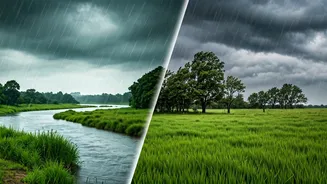
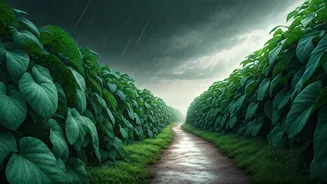
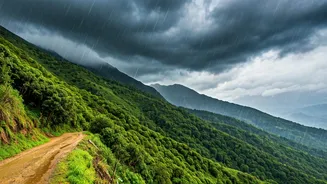
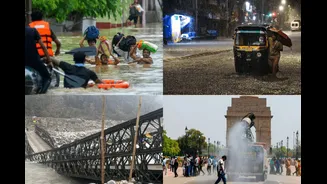
The primary reason to delay your travels is safety. The monsoon, which typically lasts from June to September, brings intense rainfall that can lead to significant natural hazards. In mountainous regions like Himachal Pradesh, Uttarakhand, and Darjeeling,
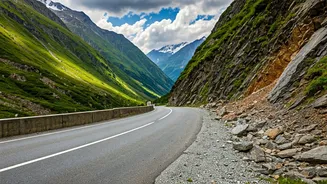
the risk of landslides and flash floods is extremely high. These events frequently block major highways, such as the roads to Kedarnath or Manali, leaving tourists stranded for days. Recent events have seen authorities in Himachal Pradesh warn tourists to avoid landslide-prone areas altogether. In Assam and other parts of the Northeast, rivers like the Brahmaputra often overflow, causing widespread flooding that inundates villages and disrupts all forms of transport. Coastal areas are not immune either, with rough seas making beaches in places like Goa unsafe for swimming and leading to the closure of popular beach shacks.
Travel Under Threat: A Logistical Nightmare
Beyond the immediate safety dangers, the monsoon creates a web of logistical problems that can derail any itinerary. Air travel is frequently disrupted due to heavy rain and poor visibility, leading to flight delays and diversions, as seen in cities like Chennai. The rail network, the backbone of Indian travel, can also be severely affected. In the Northeast, riverbank erosion has even led to the collapse of railway bridges, severing connectivity. Urban infrastructure in major cities like Mumbai and Hyderabad often struggles to cope with the deluge, resulting in waterlogged streets that make local commuting nearly impossible. Many popular tourist attractions, especially national parks and wildlife reserves like Kaziranga in Assam and most others across the country, are closed during the monsoon to protect both wildlife and visitors.
Health and Wellness on High Alert
The monsoon season is a peak period for various vector-borne and water-borne diseases. The abundance of stagnant water creates ideal breeding grounds for mosquitoes, leading to a significant spike in cases of dengue, malaria, and chikungunya. India bears a substantial global burden of these illnesses, and the risk for travellers increases during this time. Furthermore, the risk of water contamination is high, which can cause illnesses like typhoid, cholera, and gastroenteritis. The humid environment also promotes fungal and bacterial skin infections. While precautions like using mosquito repellent and drinking bottled water can help, the overall health risk is considerably higher than in other seasons, requiring constant vigilance.
The Post-Monsoon Payoff: A World Reborn
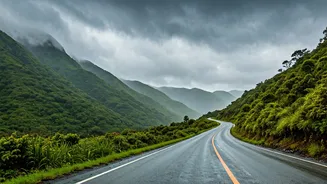
Waiting until after the monsoon, from October to December, offers a far superior travel experience. The heavy rains wash away the dust and grime of the summer, leaving behind a brilliantly green and rejuvenated landscape. The weather becomes pleasant, with clear skies and comfortable temperatures perfect for sightseeing. This is when India is arguably at its most beautiful. The rivers and waterfalls are full and majestic, but the risks of flooding and landslides have subsided. All the national parks and tourist sites that were closed reopen, offering unparalleled access to wildlife and nature. While there are some arguments for off-season travel, like fewer crowds and lower prices, these benefits are often outweighed by the significant risks and limitations of the monsoon season. By waiting, you get to see the country at its vibrant best, without the stress and danger.