



Understanding the Core Trio
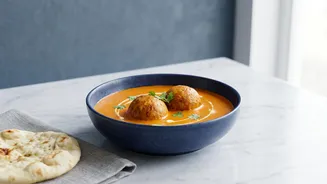
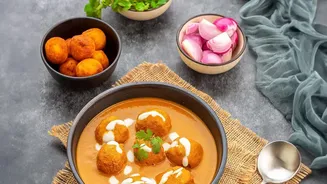
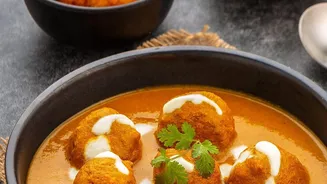
A flawless malai kofta gravy hinges on three key ingredients working in concert. Tomatoes provide the essential acidic backbone, tang, and vibrant orange hue. Cashews are the secret to its body and luxurious, creamy texture, acting as a natural thickening
agent. Finally, cream delivers that unmistakable 'malai' richness and a silky mouthfeel. Misjudge the quantity or timing of any one of these, and the entire dish can be thrown off balance. The goal is not for one to dominate, but for all three to create a unified, smooth, and flavourful base for the delicate koftas.
Mastering the Tomato Base
The foundation of the gravy begins with tomatoes, but their acidity needs careful management. Using ripe, red tomatoes is crucial as they are naturally sweeter and less sour. Many chefs boil onions, tomatoes, ginger, garlic, and whole spices together first; this initial cooking process mellows the sharpness of the raw ingredients. For an even milder flavour and brighter colour, some cooks prefer to use tomato puree instead of or in addition to fresh tomatoes. A common technique to counteract any lingering tartness is to add a small amount of sugar or honey towards the end of the cooking process, which helps to round out the flavours beautifully. Cooking the tomato base until oil begins to separate from the sides is a visual cue that it is well-cooked and its raw taste has dissipated.
The Secret of the Cashew Paste
Cashews are what give the gravy its signature thickness and creamy consistency, often more so than the cream itself. To achieve a silky-smooth texture, raw, unsalted cashews should be soaked in hot water for at least 30 minutes. This softens them, allowing them to break down completely when blended. After soaking, the cashews are ground into a fine paste, sometimes along with the cooked onion and tomato mixture. For a truly restaurant-quality finish, it is highly recommended to strain the entire blended puree through a fine-mesh sieve. This crucial step removes any fibrous bits from the tomatoes or any grainy fragments of cashew skin, ensuring the final gravy is perfectly smooth. The starch and fat released from the cashews also help to stabilize the sauce, preventing the cream from splitting when it's added later.
Adding Cream for a Luxurious Finish
Cream is the final touch of indulgence. Its role is to add richness and a final, velvety sheen to the gravy. It's important to add the cream at the end of the cooking process, over low heat. If the gravy is boiling vigorously when the cream is added, it can split or curdle, especially if the tomato base is very acidic. Adding the cream off the heat or on the lowest possible flame and stirring it in gently until combined is the safest method. You don't need a large quantity; often, a few tablespoons are enough to enrich the sauce without making it excessively heavy. Full-fat cream will provide the richest result, but even a lighter cream can be effective.
Finding the Perfect Ratio
While recipes offer guidelines, the ideal balance is often found through taste and adjustment. A good starting point for a standard recipe serving four people is roughly 3-4 medium tomatoes to about 1/4 or 1/2 cup of cashews. The cream is usually added to taste, starting with 2-3 tablespoons. The key is to build the gravy in stages. First, cook down the tomato and onion base properly. Next, incorporate the smooth cashew paste and let it cook to thicken the gravy. Finally, finish with cream, tasting as you go. Other aromatics like kasuri methi (dried fenugreek leaves) and a touch of garam masala, added near the end, also play a vital role in balancing the richness with their earthy fragrance.