




The Power of the Pack
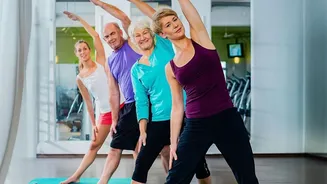
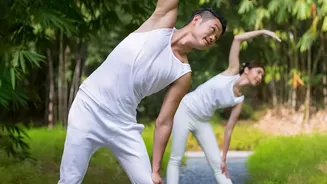
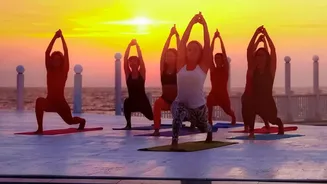
There’s an undeniable energy that comes from moving and breathing with others. In both yoga and dance, group classes create a powerful sense of community and shared motivation. This collective spirit can inspire you to hold a pose a little longer or push
through a challenging routine. Knowing your classmates expect to see you fosters accountability, making it harder to skip a session. Furthermore, studies suggest that exercising in a group can lead to greater consistency and even reduce stress more effectively than working out alone. An instructor's real-time feedback is another huge advantage, as they can correct your form, ensure you’re performing movements safely, and offer modifications, which is especially helpful for beginners. This guidance helps prevent injury and builds confidence much faster than practicing alone at home.
The Freedom of Flying Solo
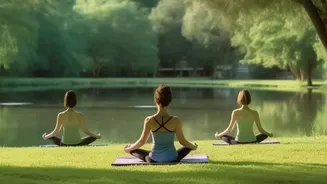
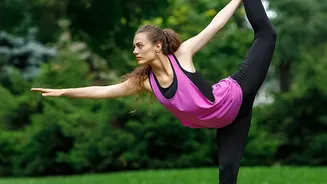
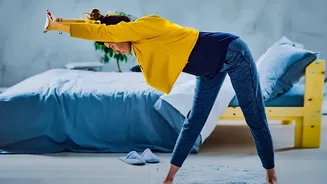
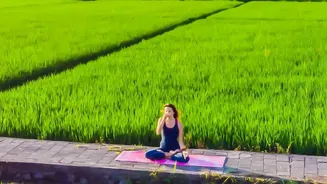
On the other side of the coin is the profound freedom of a solo practice. When you practice alone, you are your own guide. This allows you to tailor every session to your specific needs, mood, and energy level on any given day. You can focus on poses you love, explore new movements without pressure, and linger in moments of quiet reflection. A solo practice nurtures self-study, or 'svadhyaya' in yoga, helping you understand your body's limits and potential on a deeper level. There are practical benefits, too: no class fees, no travel time, and the ability to practice whenever and wherever you choose. This flexibility can make it easier to build a consistent routine that fits seamlessly into your life, fostering a personal journey toward wellness on your own terms.
Yoga: Community vs. Contemplation
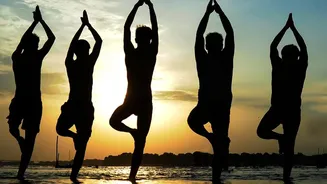
In yoga, the choice between group and solo often comes down to energy versus introspection. A group class provides a vibrant, supportive atmosphere. The synchronized breath and collective focus can create a palpable rhythm that deepens your own mind-body connection. Research has even shown that group yoga can reduce anxiety and depression more significantly than solo practice, partly due to the psychological safety of sharing the experience with others. However, a solo practice allows for a more contemplative, personal journey. It’s an opportunity to listen to your body without the pace being set by a teacher, allowing you to modify, explore, and grow with a unique sense of confidence that can then be brought back into a group setting.
Dance: Synergy vs. Self-Expression
For dancers, the trade-off is often between synchronized synergy and pure self-expression. Group dance classes are inherently social, fostering teamwork, communication, and a strong sense of belonging. Learning to move in unison with others enhances coordination and non-verbal communication skills. This setting is ideal for learning specific choreography and for partner dances, where interacting with various partners builds real-world social dance skills. Solo practice, in contrast, offers a space for creative liberation. It's where you can improvise freely, develop your unique style, and connect with music on an emotional level without inhibition. While group classes build technical foundations and social confidence, a solo session is where many dancers find their authentic artistic voice.
Making the Right Choice for You
Ultimately, there is no single 'better' option; the ideal approach is the one that aligns with your personality and goals. If you thrive on social energy, need accountability, and want expert guidance to learn proper technique, group classes are an excellent choice. If you seek introspection, crave flexibility, and want to create a deeply personalized routine, a solo practice may be more fulfilling. Many people find a hybrid approach works best. Using group classes to learn new skills and find community, while dedicating time for solo practice to refine technique and encourage self-discovery, can offer the best of both worlds. Listen to your body and don't be afraid to switch between formats as your needs evolve.