





The New Monsoon Appeal
For years, the Indian travel calendar has been predictable: escape to the mountains in the summer and head to the beaches in the winter. The monsoon, from June to September, was typically the off-season, a time of quiet for tourist towns. But that's changing,
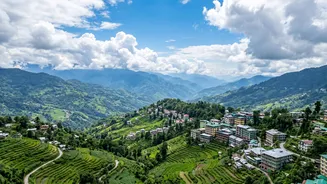
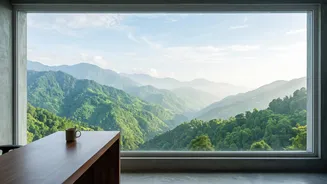
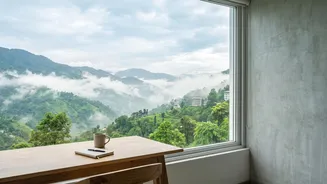
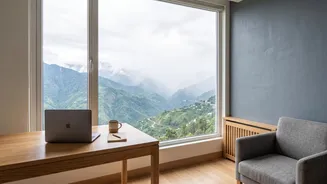
thanks to a fundamental shift in how we work. In Gangtok, the monsoon is no longer a deterrent; it’s a draw. For remote workers, especially those in the tech industry, the season offers a perfect excuse to escape the oppressive heat and humidity of cities like Delhi, Mumbai, and Bengaluru. The appeal is simple: swapping the chaos of urban life for the serene, rain-washed landscapes of the Eastern Himalayas. This new wave of visitors isn't looking for a short holiday but an extended stay, blending their workdays with the tranquil rhythm of mountain life.
Why Gangtok is a Tech Haven
The “work from mountains” phenomenon is a nationwide trend, but Gangtok has emerged as a particularly attractive hub. Its appeal lies in a unique combination of natural beauty and modern infrastructure. Unlike many other hill stations that struggle with connectivity, Gangtok and its surrounding areas have seen significant improvements in internet infrastructure. Reliable high-speed Wi-Fi and 4G connectivity are no longer a luxury but an expectation, making it possible to code, attend video calls, and manage projects seamlessly. Furthermore, Sikkim’s capital is known for its cleanliness, safety, and peaceful environment. This provides a distraction-free setting that many tech professionals find boosts their focus and creativity, a welcome antidote to the overstimulation of city living.
Inside the Co-Living Experience
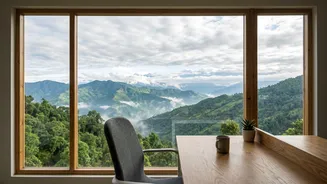
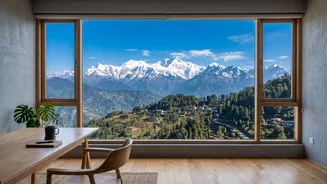
At the heart of this trend are the co-living and co-working spaces sprouting up across the city. These are not just hotels with a desk. They are purpose-built environments designed for the modern professional. Places like Sanctorum, the city's first dedicated coworking space, offer fibre WiFi, meeting rooms, and a podcast studio. Hostels and homestays such as The Griffon's Nest and Ronglyang Homestay provide packages that include private or dorm-style rooms, meals, and dedicated co-working areas with power backup. The model is built on providing a hassle-free experience where the essentials—a stable internet connection, a comfortable workspace, and a clean living area—are all taken care of. This allows residents to focus on their work while also having the freedom to explore their scenic surroundings.
Community and Curing Remote Work Loneliness
Perhaps the most significant benefit of these hubs is the built-in community. While remote work offers flexibility, it can also lead to isolation. Co-living spaces in Gangtok solve this problem by bringing together like-minded individuals from various backgrounds. These hubs foster a collaborative atmosphere through shared kitchens, communal lounges, and organised activities like weekend treks, city walks, and community dinners. This social infrastructure is a powerful draw for solo travellers and remote workers who crave connection. It’s an opportunity to network, share ideas, and build friendships with fellow professionals, all while sharing the unique experience of living and working in the Himalayas.
A Sustainable Model for the Future
The rise of the workation trend in Gangtok is more than just a lifestyle choice; it represents a sustainable economic model. Initiatives like 'Nomad Sikkim' are officially promoting villages like Yakten as destinations for digital nomads, helping to create year-round income for local communities that were once dependent on seasonal tourism. By attracting long-stay professionals who contribute to the local economy, the region can reduce its reliance on short-term, high-footfall tourism. This approach helps preserve the delicate ecology of the Himalayas while boosting local livelihoods. It’s a win-win situation that enhances the well-being of the remote worker and supports the sustainable development of the mountain community.