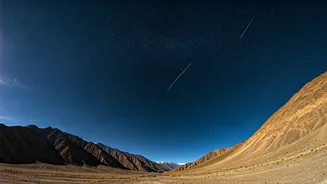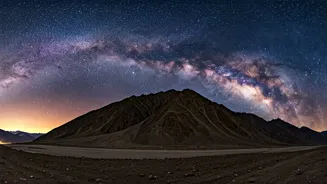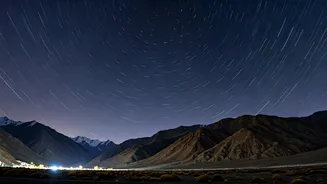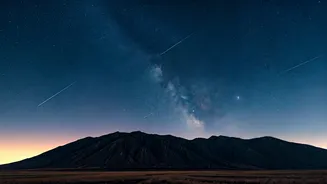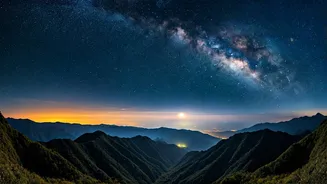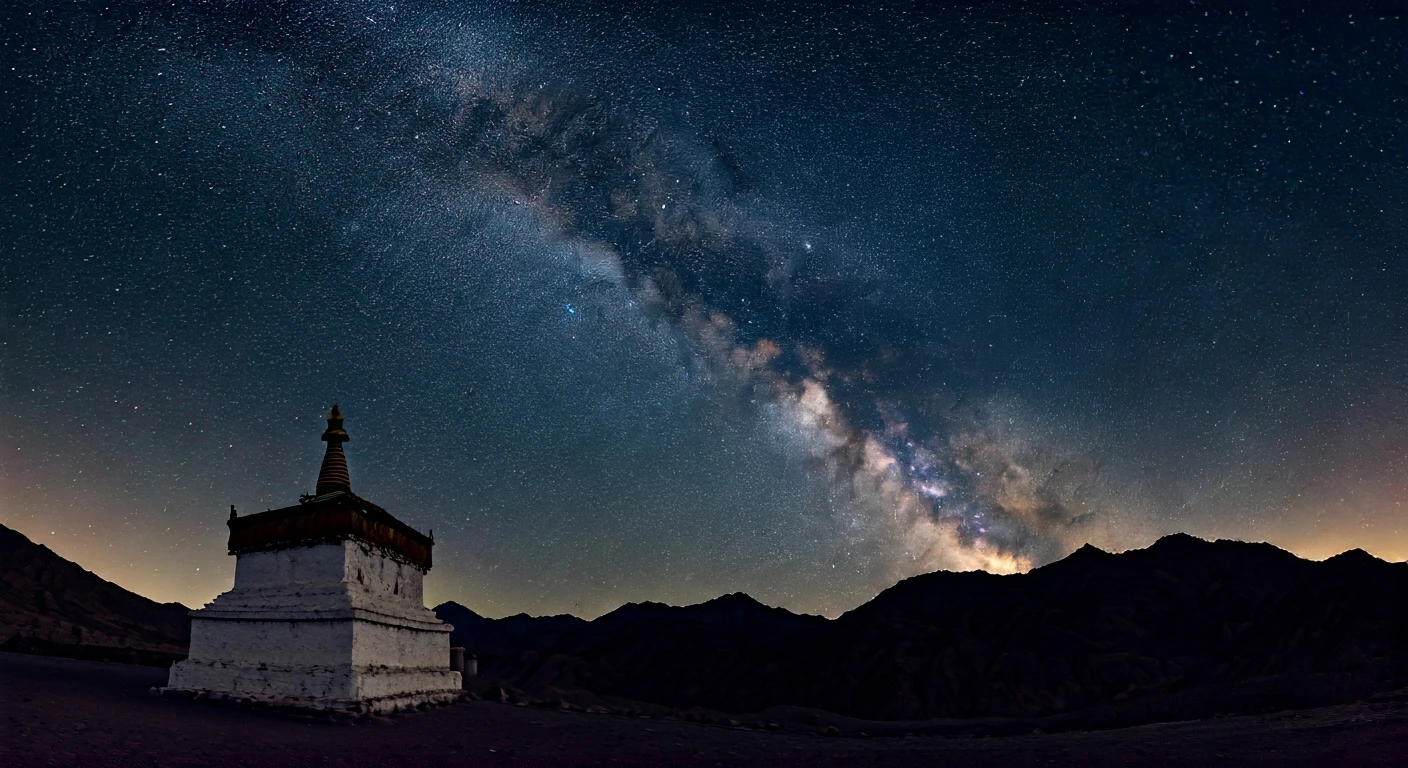




Why Ladakh Is a Stargazer's Paradise
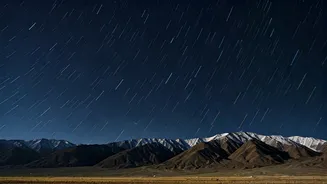
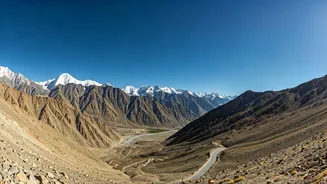
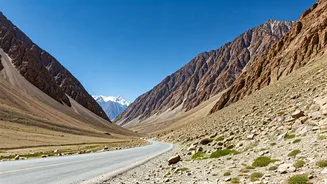
What makes Ladakh one of the finest places on Earth for stargazing? It's a perfect cosmic storm of conditions. The region's staggering altitude, with most areas sitting above 10,000 feet, means the atmosphere is thin, crisp, and clear, with less air to blur
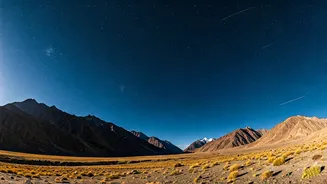
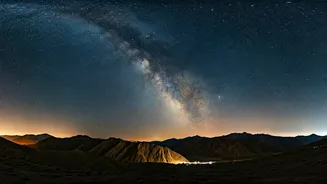
the starlight. Coupled with an arid climate that keeps humidity and cloud cover at bay, the sky’s clarity is simply unparalleled. Crucially, Ladakh's remote valleys and vast landscapes are far from the light-polluting glare of major cities. This profound darkness allows the Milky Way to appear not as a faint smudge, but as a brilliant, textured river of light arching across the sky. The unobstructed, panoramic views create a 360-degree dome of stars, making you feel completely immersed in the cosmos.
The Celestial Event: Late July's Shooting Stars
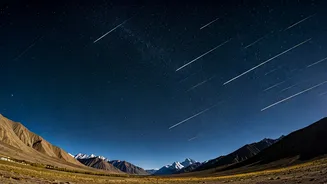
The main event in late July is the Southern Delta Aquariid meteor shower, which is active from mid-July through late August. It is set to peak around July 30-31, 2026, offering a steady stream of meteors. It is joined by the Alpha Capricornids, a shower known for producing occasional bright, dramatic fireballs. However, it's important to set expectations for 2026. The peak night coincides with a nearly full moon, whose bright light will unfortunately wash out the fainter shooting stars. But don't let that deter you. In a place as dark as Ladakh, the brighter meteors will still put on a memorable show against the mountainous silhouette. Plus, this period marks the beginning of the beloved Perseid meteor shower, which promises a much more spectacular, moon-free peak in mid-August.
Hanle: India's Celestial Sanctuary
If there is one crown jewel of Indian astronomy, it is Hanle. Situated in the remote Changthang region, this village is home to India's first and only designated Dark Sky Reserve. This official status means the community actively works to minimise light pollution, preserving the pristine darkness for both scientific research and astro-tourism. Hanle hosts the Indian Astronomical Observatory, one of the highest in the world, for a reason: the viewing conditions are sublime. A trip here is a pilgrimage for serious stargazers. The journey is long and requires a permit, but the reward is a sky so profoundly dark and star-filled that it feels almost spiritual. Here, the Milky Way is not just visible; it’s a breathtaking spectacle you can see with the naked eye.
Pangong Tso: Stars Reflected
The world-famous Pangong Tso offers a stargazing experience that is pure magic. The high-altitude lake, known for its ever-changing shades of blue during the day, transforms into a serene, reflective mirror for the cosmos at night. Camping near its shores, far from any significant light source, allows for an unforgettable show. On a clear, still night, the sight of constellations and the Milky Way perfectly reflected on the water's surface creates a surreal, doubling effect, as if you are floating in a sea of stars. It’s an ideal location for photographers looking to capture that iconic shot of the star-dusted heavens over the iconic lake.
Nubra Valley: Dunes Under a Diamond Sky
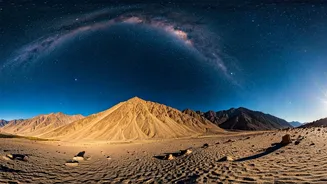
Nubra Valley offers a unique and almost otherworldly setting for stargazing. Here, you can watch the night sky from amid high-altitude sand dunes—a surreal landscape of cold desert beauty. Villages like Hunder and Diskit are excellent bases, offering minimal light pollution and vast, open skies. The valley's unique topography, flanked by stark mountains, frames the celestial display beautifully. It's a fantastic spot for not just seeing the Milky Way but also for spotting planets, which often appear as intensely bright, unwavering points of light in the clear Ladakhi air. The experience of lying on a sand dune, gazing up at a sky saturated with stars, is a core Ladakh memory.
Know Before You Go: A High-Altitude Guide
Stargazing in Ladakh requires some preparation. First and foremost is acclimatisation. The high altitude can cause serious illness, so spend at least two full days in Leh (the main hub) before venturing to higher areas like Hanle or Pangong Tso. Drink plenty of water and take it easy. Secondly, pack for the cold. Even in summer, night temperatures at these altitudes plummet to freezing levels. Thermal layers, insulated jackets, woollen caps, and gloves are non-negotiable. For logistics, remember that travel to places like Hanle requires an inner line permit, which can be arranged in Leh. Finally, while your naked eyes are the best tool, consider downloading a stargazing app like SkyView or Star Walk 2 to help you identify the constellations and planets you're seeing.