


From Necessity to a Statement of Style
There was a time when 'second-hand' was a hushed term, often associated with compromise rather than choice. Today, that perception is being turned on its head. A growing number of urban Indians are actively seeking out used furniture, not just to save
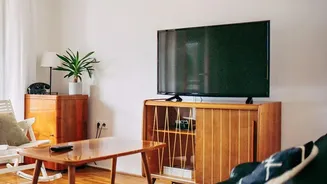
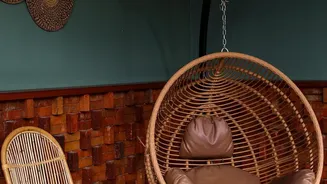
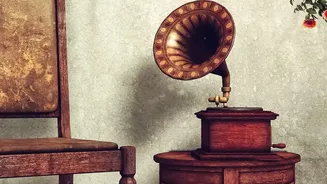
money, but to escape the uniformity of mass-market showrooms. After years of minimalist, matching sets, there's a clear desire for homes that tell a story. A vintage teak cabinet, a weathered colonial-era desk, or a set of quirky cane chairs bring a sense of history and personality that brand-new items often lack. This trend is a quiet rebellion against 'fast furniture'—the cheaply made, trend-driven pieces designed to be disposable—and a move towards creating interiors with genuine character.
The Thrill of the Sustainable Hunt
Part of the appeal lies in the hunt itself. For many, finding the perfect piece is a rewarding adventure. The search is increasingly happening online, with platforms like OLX and Quikr, alongside dedicated Facebook Marketplace groups, becoming treasure troves for unique finds in cities like Bangalore, Mumbai, and Delhi. According to recent Google search data, interest in 'thrifting' in India has hit an all-time high, with furniture being one of the most searched-for items. Beyond the digital world, local kabadiwalas, flea markets, and specialised stores that restore and sell old furniture offer hands-on discovery. This movement is about more than just aesthetics; it's rooted in a growing awareness of sustainability. By giving an old piece a new home, consumers are actively reducing landfill waste and lowering the demand for new production, which consumes vast resources.
A Greener Way to Decorate
The environmental argument for second-hand furniture is compelling. The 'fast furniture' industry contributes significantly to waste, with millions of tons ending up in landfills annually. These items are often made from composite materials like particleboard that are difficult to recycle and have a short lifespan. Choosing to buy a pre-owned solid wood table or a vintage metal almirah interrupts this wasteful cycle. Upcycling and repurposing reduce the need for virgin materials like wood and metal, which in turn saves energy, conserves natural resources, and cuts down on the carbon emissions associated with manufacturing and global shipping. It's a powerful way for individuals to make a tangible, positive impact on the environment, one chair or table at a time.
Celebrating the Beauty of Imperfection
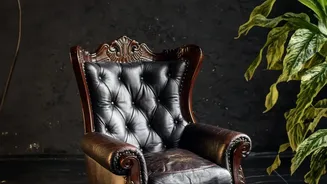
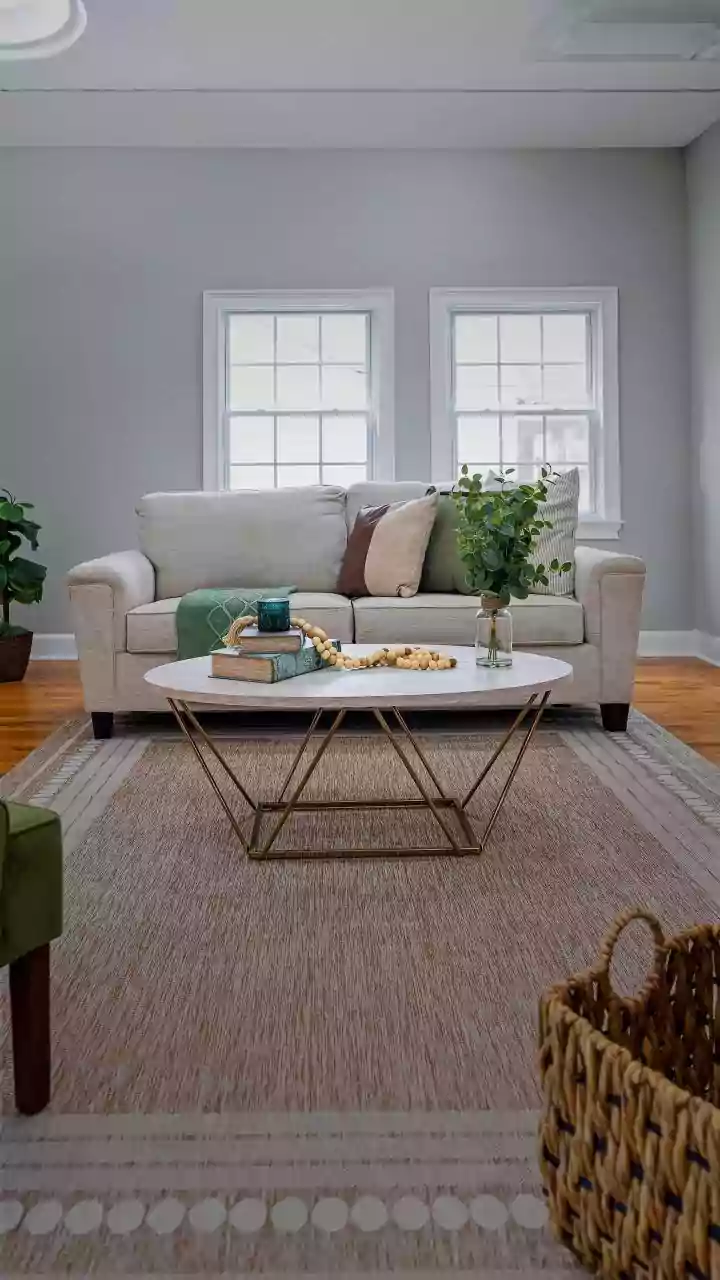
Unlike the flawless finish of a factory-fresh product, a pre-loved item comes with a past. A small scratch on a tabletop, a faded patch on an armchair, or the natural patina on a brass lamp are not seen as flaws but as evidence of a life lived. This appreciation for imperfection adds warmth and authenticity to a home. Older furniture, particularly pieces made from solid teak, rosewood, or sheesham, often boasts superior craftsmanship and materials compared to modern, mass-produced alternatives. These pieces were built to last for generations, not just for a few seasons. By incorporating them into modern interiors, homeowners are creating a rich, layered look that feels both personal and timeless. The contrast between an old, hand-carved piece and a sleek, contemporary sofa can make a room feel dynamic and interesting.
Making It Uniquely Yours
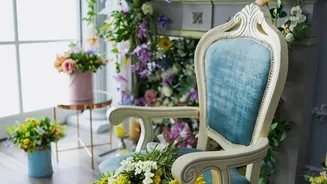
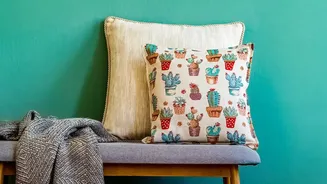
The journey of a second-hand piece often doesn't end at the point of purchase. For many, the real creativity begins with personalisation. The practice of upcycling—transforming an old item into something new and often better—is gaining significant traction. A sturdy but dated cabinet can be given a new lease of life with a bold coat of paint. A grandmother's chair can be reupholstered with vibrant, contemporary fabric, and an old trunk can be repurposed into a chic coffee table. This DIY approach allows individuals to infuse their own style into their decor, resulting in one-of-a-kind pieces that are both a conversation starter and a true reflection of personal taste. It transforms furniture from a simple purchase into a creative project.