




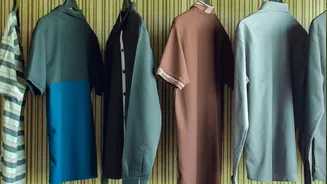
Prioritise the Right Fabrics
The golden rule of monsoon dressing is to choose fabrics that dry quickly and don't cling when damp. While pure, thick cotton is a comfort staple, it tends to absorb a lot of water and takes ages to dry in humid weather. Instead, dive into your wardrobe
and pull out items made from cotton blends, polyester, nylon, and georgette. These synthetic or semi-synthetic fabrics are your best friends during this season because they repel water and allow for better airflow. Look for those lightweight polyester shirts, rayon palazzos, or cotton-polyester blend kurtis. They maintain their shape, resist wrinkling, and, most importantly, won't leave you feeling soggy after a sudden drizzle.
Embrace Shorter Hemlines
This is the most practical change you can make. Navigating water-logged streets and muddy puddles is a daily reality, and long hemlines are the first casualty. It's time to swap your floor-sweeping skirts and full-length trousers for shorter alternatives you already own. Pull out your culottes, capris, cropped pants, and knee-length or midi skirts. These styles prevent your clothes from getting soaked and stained, making your commute much less of a hassle. Frock-style kurtis, kaftans, and tunic tops paired with leggings or ankle-length pants are also excellent choices that offer both style and practicality.
Go Bright and Bold
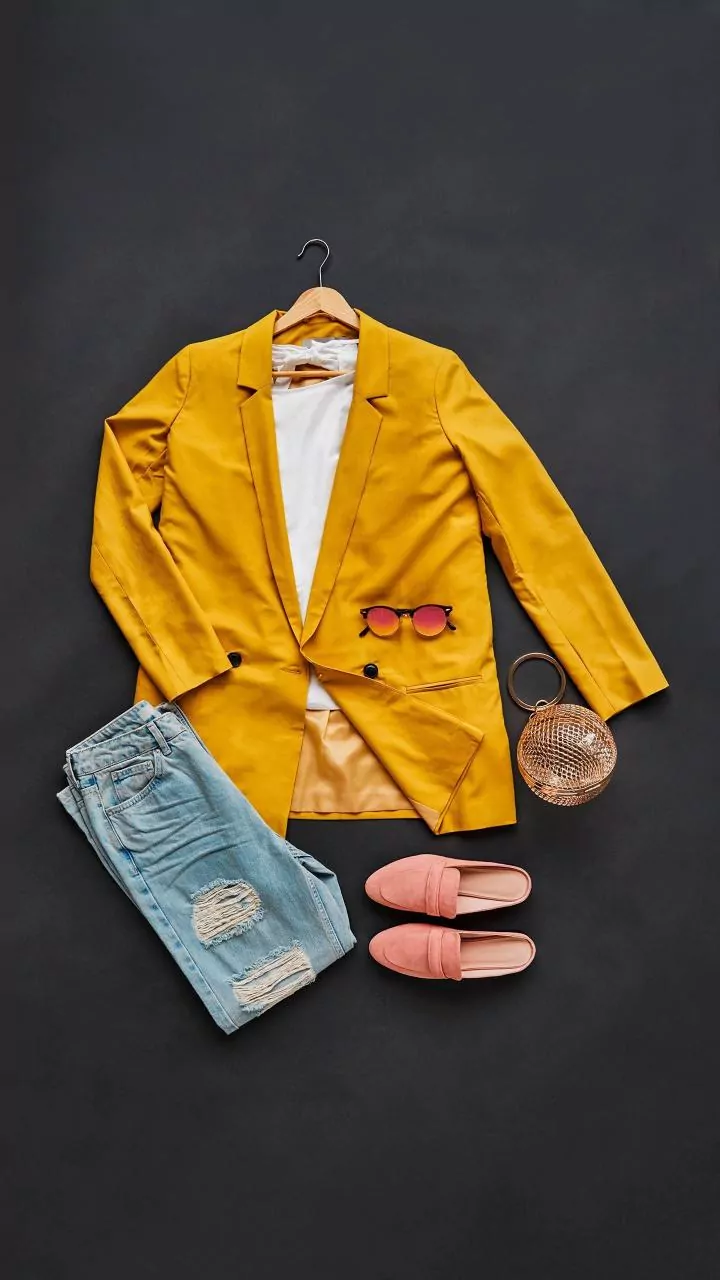
Gloomy, overcast days can often make you feel dull, but your wardrobe can be an instant mood-lifter. The monsoon is the perfect time to experiment with vibrant colours and playful prints. Push the whites, beiges, and pastels to the back of the closet, as they are prone to mud stains. Instead, bring out your brightest clothes. Think cheerful yellows, poppy pinks, bold blues, and rich reds. These colours not only stand out against the grey backdrop but are also more forgiving when it comes to hiding water spots or minor stains. Floral and abstract prints are particularly effective at camouflaging splashes.
Master the Art of Light Layering
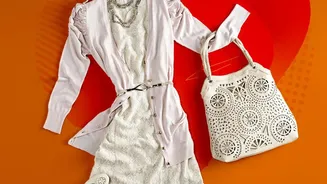
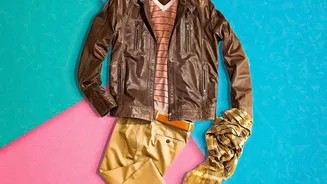
Layering during the monsoon is different from winter layering. Instead of heavy sweaters, think of light, functional layers that you can easily add or remove. A quick-drying open shrug, a nylon windcheater, or even a dupatta can serve as a protective layer against a sudden shower or the office air-conditioning, without making you feel overheated in the humidity. Look through your collection for these versatile pieces. A thin, long cotton jacket or an oversized shirt can also be thrown over a simple top and trousers for a chic, adaptable look.
Rethink Your Footwear and Accessories
Your favourite leather shoes and suede sandals have no place in the monsoon. They get damaged easily by water and offer poor grip on slippery surfaces. It's time to dig out your waterproof footwear. Rubber flip-flops, sliders, and plastic sandals are ideal for daily wear. They are easy to clean, dry instantly, and save your feet from murky water. When it comes to accessories, less is more. Opt for waterproof bags to protect your belongings and choose minimal, non-tarnishing jewellery like simple hoops or plastic bangles instead of heavy metal pieces that can react to the humidity.
Focus on Clothing Care
How you care for your clothes is just as important as what you wear. The high humidity can lead to clothes developing a musty smell or even mildew. Never leave damp or worn clothes in a laundry basket; hang them up to air out immediately. When washing, use the highest spin speed to remove as much water as possible and dry clothes indoors with a fan pointed at them for better air circulation. Ensure every item is completely bone-dry before storing it in your wardrobe. To combat moisture inside your closet, place silica gel packets or charcoal bags to absorb excess humidity and keep your garments fresh.