






Your Vehicle: The First Line of Defence
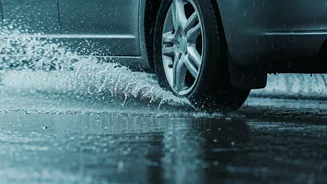
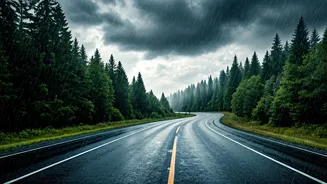
Whether you drive a car or ride a two-wheeler, your vehicle is your primary shield against the monsoon. Before the rains intensify, a thorough check is non-negotiable. For car owners, this means inspecting tyres for adequate tread depth to avoid skidding
on wet roads. [5, 10] Worn-out tyres struggle to channel water and significantly increase the risk of aquaplaning. [10] Ensure your wiper blades are not cracked or hardened; if they leave streaks, replace them immediately for clear visibility. [13, 10] Also, test your brakes, headlamps, and indicators, as wet conditions increase braking distances and reduce visibility for everyone. [5, 8] For two-wheeler riders, the checklist is even more critical. Pay close attention to your tyres and brakes. [3] Ensure your chain is well-lubricated to prevent rust and wear from the constant exposure to water and grime. [6, 7] It's also wise to check all electrical components and apply dielectric grease to connectors to prevent short circuits. [7, 8]
Personal Gear: The Modern Commuter's Armour
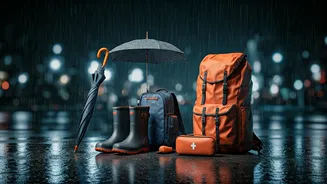
An umbrella offers limited protection against swirling winds and splashing vehicles. Upgrading your personal gear is essential. Invest in a high-quality, lightweight raincoat or poncho and waterproof trousers. Fabrics that are breathable and quick-drying are ideal. [2, 21] Your choice of footwear is crucial; ditch the leather shoes and opt for waterproof, non-slip rubber boots or floaters to navigate puddles and protect your feet from infections. [2, 16] Protecting your electronics and important documents is another key battle. A waterproof backpack or a reliable rain cover for your existing bag is a wise investment. [9] Keep smaller items like your phone, wallet, and keys in zip-lock bags or dedicated waterproof pouches for an extra layer of security. [12] Many also find it useful to keep a spare set of dry clothes and a towel at the office to stay comfortable after a drenching commute. [12]
Health and Safety: Navigating Hidden Dangers
Waterlogged streets are a common sight in Indian cities during monsoon, but they hide numerous dangers. [20] These flooded areas can conceal open manholes, deep potholes, and even live wires, posing a serious risk of injury and electrocution. [23] Furthermore, the stagnant water is often a cocktail of sewage and contaminants, becoming a breeding ground for bacteria and viruses. [11, 18] Wading through it can lead to fungal infections, leptospirosis, diarrhoea, and typhoid. [18] It's best to avoid walking through stagnant water whenever possible. [2, 24] Personal hygiene becomes paramount. Wash your hands frequently with soap and carry an alcohol-based hand sanitiser. [2] The temptation for street food like pakoras and chai is strong, but it's safer to avoid it, as ingredients and water used may be contaminated, leading to food poisoning. [9, 21] Carry your own bottle of boiled or filtered water to stay hydrated and safe. [14]
Tech to Tame the Monsoon
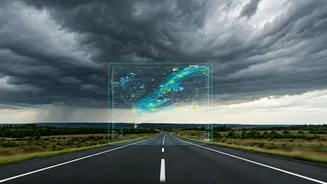
Technology can be a powerful ally in your monsoon commuting arsenal. Before you even step out, use weather apps to get real-time updates on rainfall intensity. The Indian Meteorological Department's official 'Mausam' app provides location-specific forecasts and warnings. [17, 29] Other reliable options like AccuWeather and Skymet Weather can also help you plan your journey. [28] Traffic apps are just as important. Google Maps and Waze provide live traffic data, helping you identify and avoid waterlogged roads and major traffic snarls. [12] Planning your route based on this information can save you hours of frustration. Given that heavy traffic and delays can drain your phone's battery, a fully charged power bank is an essential item for your monsoon kit. [19] It ensures you can stay connected and access crucial information when you need it most.