


A Different Kind of Green
The traditional tourist season in Assam runs from winter to spring, prized for its pleasant weather and optimal wildlife-spotting conditions. The monsoon, from roughly June to September, was seen as a time of floods, closed national parks, and travel
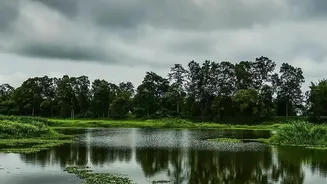
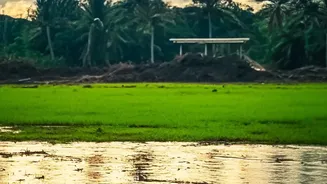
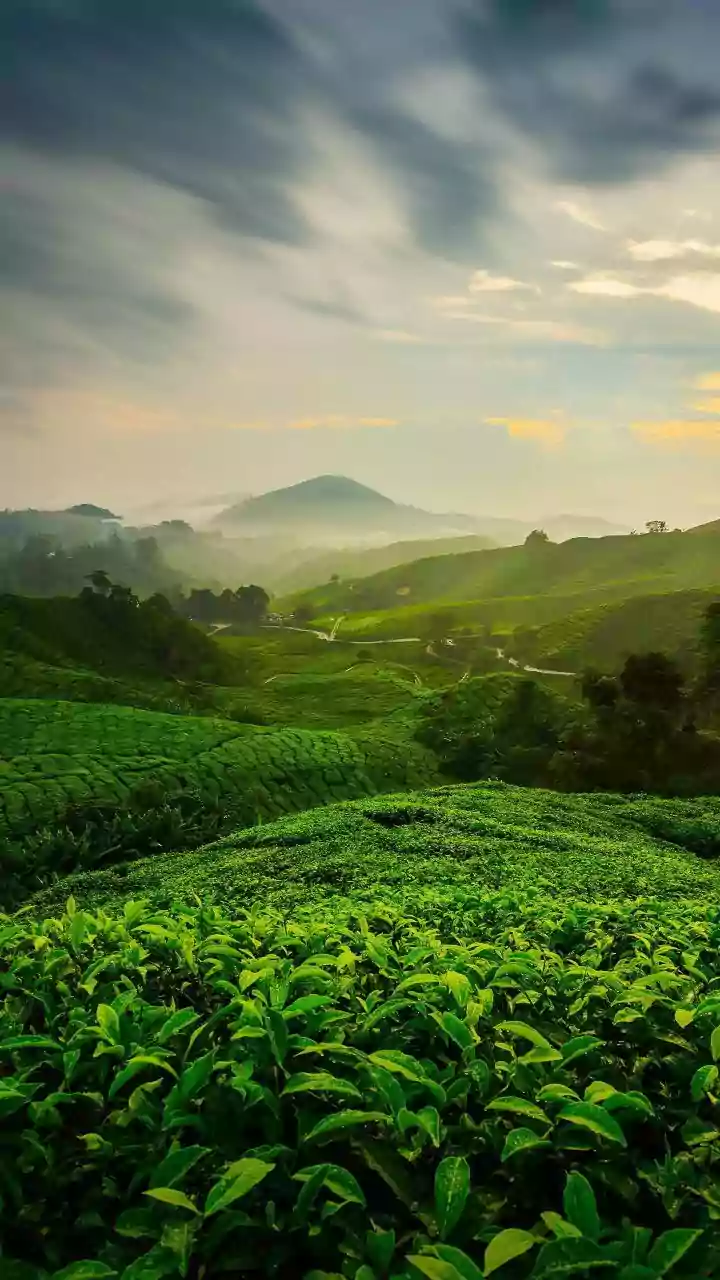
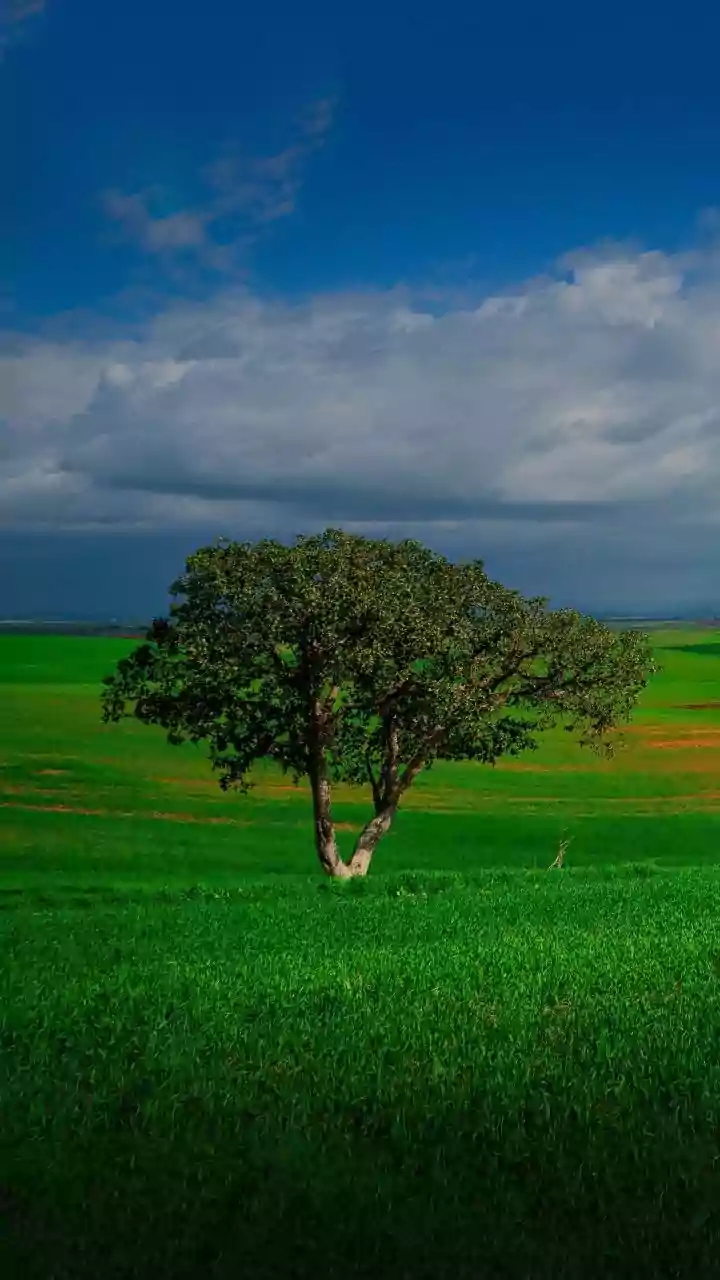
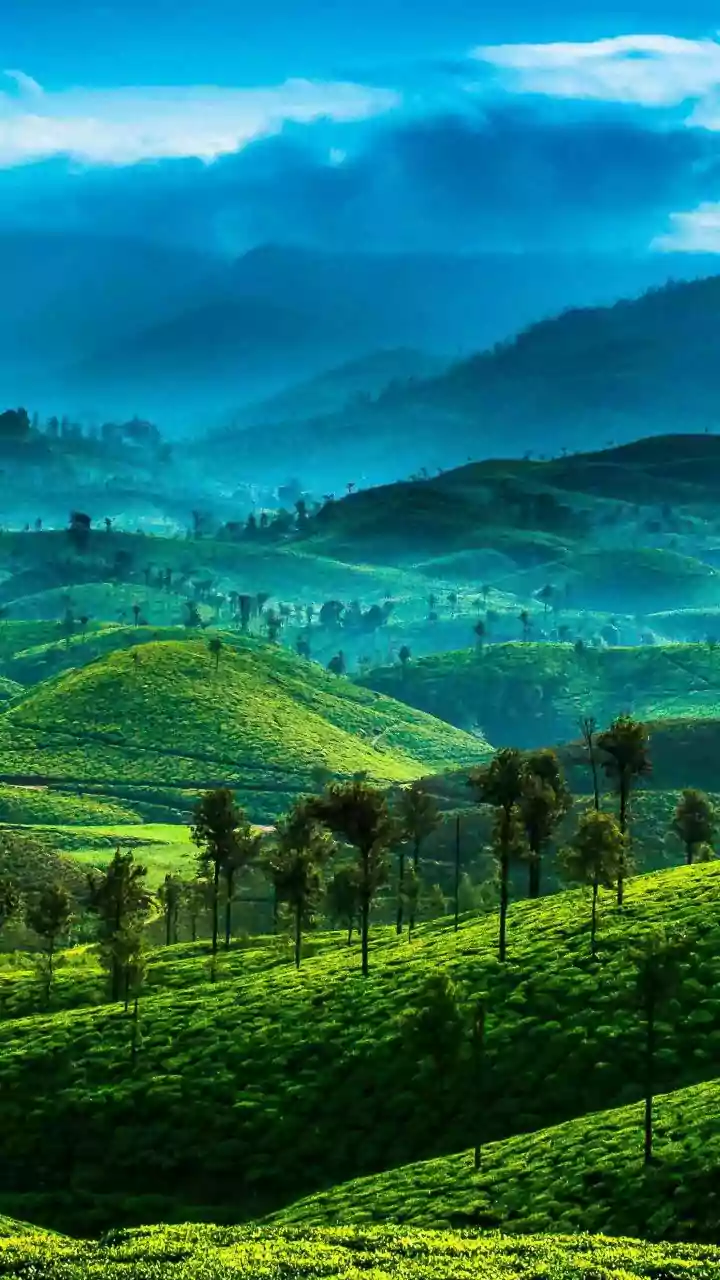
disruptions. However, a growing number of visitors are realising that what was once a deterrent is actually the main attraction. The rains breathe new life into the state, blanketing the hills in mist and washing the tea gardens in a shade of green so intense it feels otherworldly. This isn't Assam in a quiet phase; it's Assam at its most alive, offering a sensory experience of petrichor, overflowing waterfalls, and the rhythmic drumming of rain that slows down time itself.
Beyond the Closed Gates of Kaziranga
A key point to understand about monsoon travel in Assam is that major wildlife sanctuaries like Kaziranga and Manas National Parks are typically closed. The seasonal flooding that makes these parks inaccessible is crucial for their ecosystems, but it means no jeep safaris. This has pushed travellers to explore other corners of the state that truly come into their own during the rains. Destinations are emerging that offer a different kind of magic. Haflong, Assam's only hill station, becomes a misty wonderland of clouds rolling through valleys. The world’s largest river island, Majuli, turns into a serene cultural haven where you can explore its Vaishnavite monasteries (Satras) amidst the lush, rain-fed landscape. Even the gateway city of Guwahati transforms, with the swelling Brahmaputra River offering soulful views and ancient temples like Kamakhya feeling even more mystical against grey skies.
Embracing the Monsoon Experience
A monsoon trip to Assam is less about ticking off a checklist and more about immersing yourself in the atmosphere. The joy lies in the simple, quiet moments. Picture yourself sipping a hot cup of locally grown tea while watching the rain fall over an endless tea estate in Jorhat or Dibrugarh. The historical monuments of Sivasagar, the former capital of the Ahom dynasty, take on a picturesque quality when washed clean by the downpour. For the more adventurous, some parks like Dibru-Saikhowa, a unique riverine ecosystem, offer incredible opportunities for boat safaris to witness thriving biodiversity. It's also a time for cultural immersion; visiting the silk-weaving village of Sualkuchi or exploring the cultural complex of Srimanta Sankardev Kalakshetra in Guwahati can be perfect rainy-day activities.
Practical Tips for Your Rainy Retreat
While beautiful, travelling during the Assam monsoon requires some planning. The primary concern is heavy rainfall, which can lead to flooding in low-lying areas and potential road disruptions. It's crucial to stay updated on weather forecasts and maintain a flexible itinerary. Instead of over-scheduling, build in time for spontaneous changes. Pack waterproof gear, including a reliable raincoat, quick-drying clothes, and sturdy footwear. While you may find fewer crowds and better deals on accommodation, it's wise to book stays in areas known to be safe and accessible during this season. Engaging with local guides or established tour operators can provide invaluable, on-the-ground knowledge about current conditions. The reward for this preparedness is witnessing a side of Assam that many miss: a state at its most raw, rejuvenated, and breathtakingly beautiful.