





Starting an exercise routine can feel daunting, especially when you're worried about joint pain. But the right kind of movement can actually reduce stiffness and improve mobility. This practical guide is for anyone ready to begin moving with confidence.
Why Low-Impact Is the Smart Start
When you live with joint sensitivity or arthritis, the idea of exercise can be intimidating. High-impact activities like running or jumping can put significant stress on your knees, hips, and ankles. Low-impact exercise, however, minimizes this stress by keeping movements smooth and controlled. The goal is to strengthen the muscles that support your joints, which helps absorb shock and protect them from strain. Regular, gentle exercise can improve flexibility, reduce stiffness, and even lessen pain over time. It’s not about avoiding activity; it's about choosing smarter, safer ways to be active.
Cardio That Cares for Your Joints
Cardiovascular exercise is crucial for heart health, and you don't need to pound the pavement to get a great workout. Water-based exercise is a top recommendation from experts. In a pool, the water's buoyancy supports your body weight, taking nearly all the pressure off your joints. Swimming and water aerobics build strength and improve range of motion, making them ideal for anyone with arthritis. If you prefer to stay on dry land, cycling—either on a stationary or outdoor bike—is another excellent option. It strengthens leg muscles with minimal impact on the knees. And never underestimate the power of walking. A brisk walk on a flat surface is one of the most accessible and effective joint-friendly exercises you can do.
Building Strength Without Strain
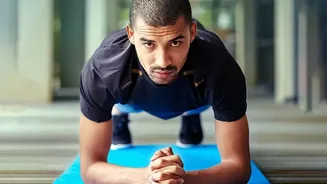
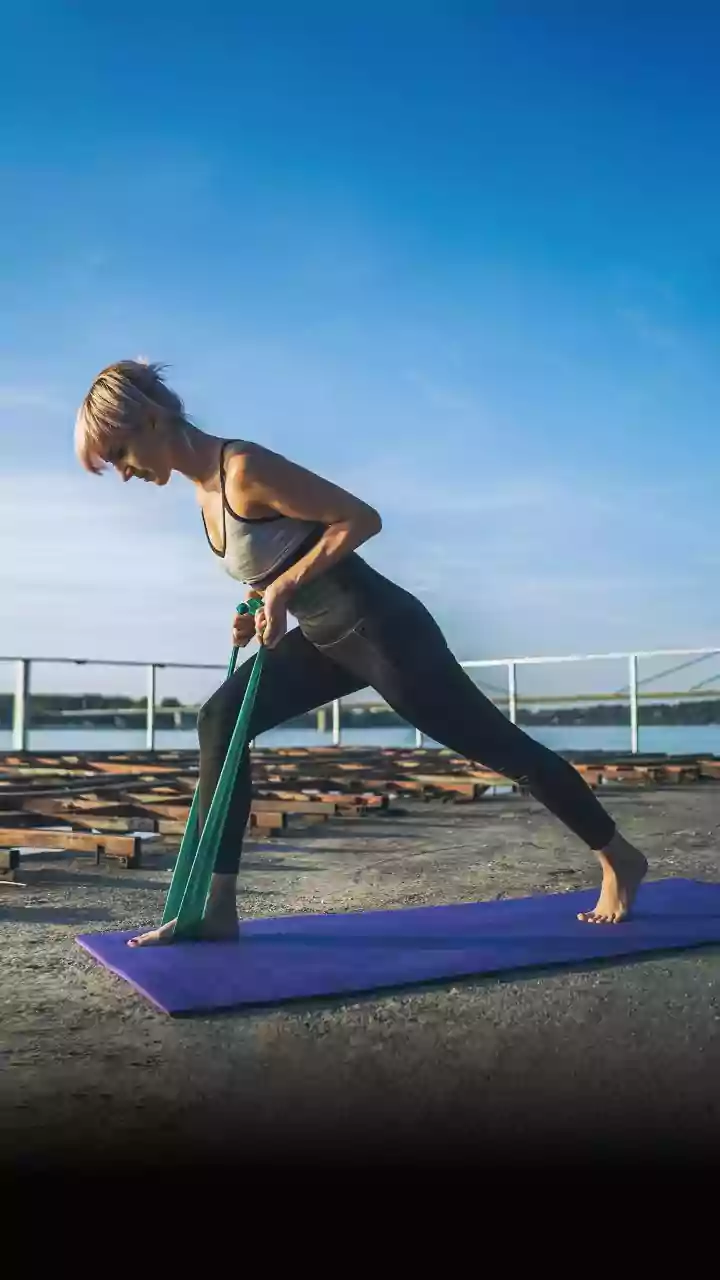
Strength training is not just for bodybuilders; it's essential for protecting your joints. Strong muscles act like a support system, taking pressure off your joints during daily activities. You don't need heavy weights to start. Bodyweight exercises are incredibly effective. Movements like chair squats, where you use a chair for support, or wall pushups build strength safely. Glute bridges, performed by lying on your back and lifting your hips, strengthen your core and glutes, which helps stabilize your entire body. Resistance bands are another fantastic tool for beginners, allowing you to add challenge to your movements without the load of heavy weights. The key is to focus on slow, controlled motions within a pain-free range.
Flexibility and Balance for Better Movement
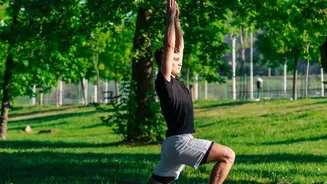
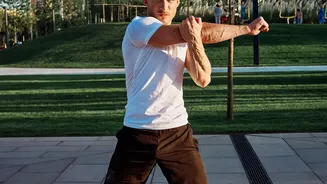
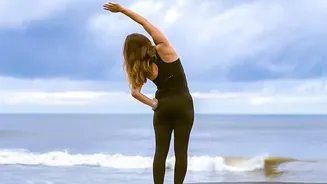
Stiffness and poor balance can contribute to joint pain and increase the risk of falls. Activities that focus on flexibility and balance are a critical part of a joint friendly routine. Gentle yoga and tai chi are highly recommended for their ability to improve mobility, balance, and muscle control without hard impacts. Tai chi, an ancient practice of slow, flowing movements, has been shown to reduce pain and stiffness in people with arthritis. Similarly, gentle yoga, particularly styles like Hatha or chair yoga, can increase your range of motion and calm your mind. Poses like the cat cow stretch can gently move the spine and hips, promoting flexibility where it is needed most.
Your Practical Plan for Getting Started
Starting a new routine is about consistency, not intensity. Always begin with a warmup, like gentle walking or arm circles, to prepare your muscles and joints for movement. When you start, aim for short sessions of 10–15 minutes and gradually increase the duration as you feel stronger. Listen to your body; if an exercise causes sharp pain, stop. The mantra should be 'train around the pain, not through it'. Finding an activity you genuinely enjoy is also crucial for long term success. Whether it is a water aerobics class, a walk with a friend, or a calming tai chi session, the best exercise is the one you will stick with. Finally, don't forget to cool down with some light stretching to reduce post exercise stiffness.