


The Dangers of Waterlogged Pots
When a potted plant gets too much rain, the soil becomes saturated, and the water has nowhere to go. This condition, known as waterlogging, is a serious threat. The excess water fills all the air pockets in the soil, effectively drowning the plant's roots
by cutting off their oxygen supply. Without oxygen, roots can't function properly and begin to rot, often developing a sour smell. This root decay prevents the plant from absorbing necessary water and nutrients, leading to symptoms that ironically mimic drought: wilting, yellowing leaves, and stunted growth. Furthermore, constant, heavy rainfall can wash essential nutrients out of the potting mix, leaving your plants starved and weak.
An elegant solution: Modular Rain Shields
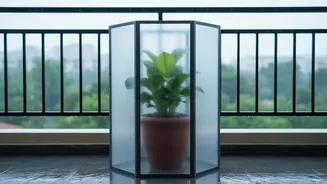
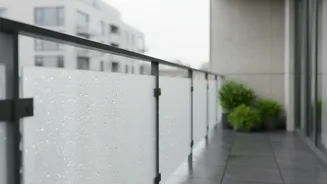
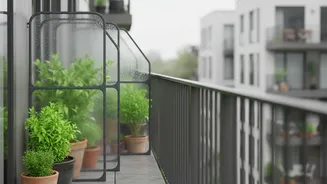
Enter the modular rain shield, a modern solution designed specifically for the challenges of balcony gardening. Unlike a simple tarp or a fixed awning, these shields are systems of individual, often transparent, panels that can be configured to suit your specific space. They are designed to cover your plants, deflecting the heavy downpour while still allowing ample sunlight to reach the leaves. The core idea is to protect the soil from becoming oversaturated, stopping waterlogging before it starts, without turning your balcony into a dark cave. These systems can range from simple DIY frames with plastic sheeting to more sophisticated pre-fabricated kits.
Why Modularity Matters for Balconies
The key advantage of a modular system is its flexibility. Urban balconies come in all shapes and sizes, and so do plant collections. A modular shield allows you to add, remove, or reposition panels as needed. You can create a taller barrier for your climbing plants or a wider cover for a row of pots. This adaptability is something a one-size-fits-all cover can't offer. During periods of light rain or sunshine, panels can be easily removed or adjusted to increase airflow and sun exposure, preventing the buildup of humidity that can encourage fungal diseases. This customisation ensures you provide protection only when and where it's needed, maintaining a healthy growing environment.
Key Features to Look For
When considering a rain shield, material is paramount. Polycarbonate panels are an excellent choice as they are lightweight, incredibly durable, and naturally block harmful UV rays while allowing beneficial, diffused light to pass through. This protects plants from sun scorch and ensures even light distribution. Look for systems that are easy to assemble and disassemble without permanent fixtures, especially if you are renting. Good ventilation is also crucial; a shield shouldn't create a stuffy, sealed-off environment. Finally, consider the mounting system. Options range from freestanding frames to cable-guided systems that run from floor to ceiling, offering varying levels of protection and ease of installation.
Practical DIY and Low-Cost Alternatives
You don't need a sophisticated system to achieve good results. For a budget-friendly approach, you can create your own shields. A simple frame made from PVC pipes can be constructed to fit your space and then covered with clear plastic sheeting or a transparent shower curtain. Even a large, well-placed umbrella can serve as a temporary shield for a cluster of pots. In a pinch, you can cover individual pots with overturned buckets or plastic containers to protect them during a heavy storm. The simplest step of all is to ensure excellent drainage by using pots with multiple holes and elevating them slightly with pot feet or bricks to allow water to escape freely.