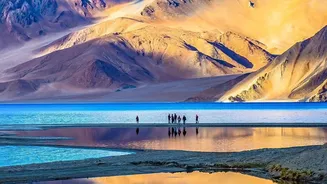

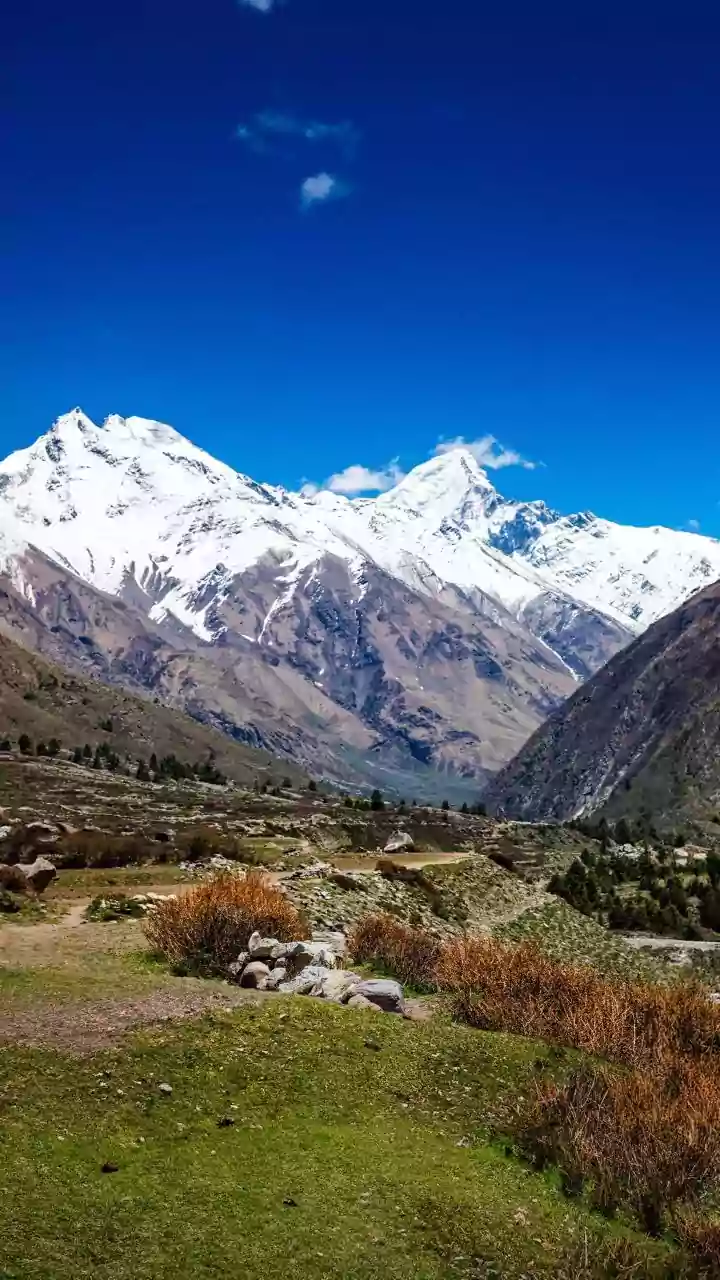




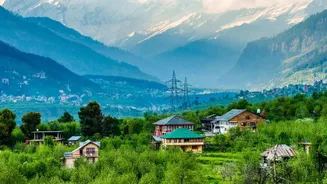
Imagine the crisp Himalayan air, a view of mist-covered peaks, and a meal that tastes of the mountains themselves. For many, a trip to Uttarakhand is about escaping the everyday, but true authenticity lies beyond the standard hotel menu.
Beyond the Buffet Breakfast
A journey through
Uttarakhand is a feast for the senses, but too often, travellers experience the state's majestic beauty while eating the same generic food available anywhere in the country. A four-day trip can feel fleeting, a blur of scenic viewpoints and comfortable stays. The secret to transforming it from a mere holiday into a rich, immersive experience is to follow the local flavours. This means skipping the continental breakfast and seeking out the warm, nourishing embrace of Pahadi cuisine, often found in the welcoming kitchens of village homestays and humble roadside dhabas. This culinary detour is not just about food; it is about connecting with the land and its people, one delicious meal at a time. Every dish tells a story of the seasons, the harvest, and a way of life shaped by the mountains.
A Taste of the Mountains
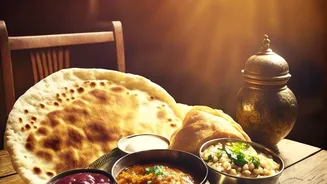
Pahadi food is a world away from heavily spiced curries. It is simple, wholesome, and built around ingredients that thrive in the cool mountain climate. Think of Aloo Ke Gutke, where boiled potatoes are simply fried with local spices like Jakhiya and red chillies, creating a snack bursting with flavour. Then there is Kafuli, often called the state food of Uttarakhand, a nutritious green curry made from spinach and fenugreek leaves, slow-cooked in an iron pot to a creamy consistency. Another staple is Chainsoo, a protein-rich dish from the Garhwal region made from roasted black gram (urad dal), which has a unique, nutty taste. These are not complex dishes, but their flavours are profound, speaking to a culinary tradition that values substance and natural taste over elaborate presentation.
The Power of Local Grains
Central to the Pahadi diet are ancient grains like Mandua (finger millet) and Jhangora (barnyard millet). For centuries, these hardy crops have been the backbone of the Himalayan food system. A meal is rarely complete without Mandua ki Roti, a dark, earthy flatbread that is incredibly nutritious. This grain contains significantly more calcium than milk and is rich in iron and fibre, making it perfect for the demanding mountain environment. Jhangora often makes its appearance in the form of a delicate, sweet kheer (pudding), offering a wholesome end to a meal. By choosing these local grains, travellers not only enjoy a healthier meal but also support the region's agricultural heritage and the small farmers who cultivate these climate-resilient crops.
From the Land, with Love
The true magic of Pahadi dining lies in its farm-to-table ethos. In homestays across Garhwal and Kumaon, meals are often prepared with ingredients sourced from the family's own backyard or the nearby forest. Lentils like Gahat (horse gram) and Bhatt (black soybean) are staples, slow-cooked for hours to create comforting dals like Phaanu and Bhatt ki Churkani. These dishes are often flavoured with Bhang ki Chutney, a tangy condiment made from hemp seeds (which contains no psychoactive properties), or a refreshing Kumaoni Raita made with cucumber and mustard. Eating this way connects you directly to the local ecosystem. The meal on your plate is a direct reflection of the day's harvest, prepared with recipes passed down through generations and served with a warmth that makes you feel less like a tourist and more like a guest in a local home.