
An Earthy Return to Tradition
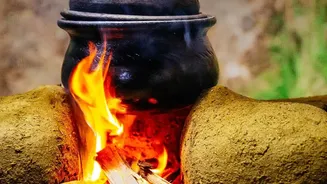
There’s a noticeable trend bubbling up in culinary circles and home kitchens across India: a return to earthenware. Known variously as handi, matka, or chatti, these humble clay pots are making a comeback. For many, this shift is driven by a blend of
nostalgia for grandmother's cooking and a growing desire for a healthier, more sustainable lifestyle. Unlike modern metal or coated pans, clay pots are celebrated for their natural, non-toxic properties. They connect cooks to a culinary heritage that spans millennia, from the Indus Valley Civilization to the rural kitchens where these pots never went out of style. This revival isn't just about looking back; it’s about bringing forward the time-tested benefits of slow, mindful cooking into the contemporary home.
The Science of Flavour and Health
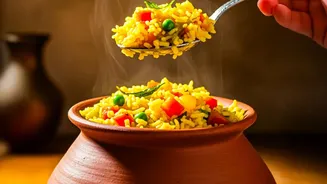
So, what makes cooking in a clay pot so special? It comes down to the unique properties of clay itself. The porous nature of an unglazed pot allows heat and moisture to circulate evenly, creating a gentle steaming effect. This slow-cooking process helps retain the natural juices of meats and vegetables, resulting in incredibly tender and succulent dishes with minimal oil. Furthermore, clay is naturally alkaline. This property helps balance the pH of acidic ingredients like tomatoes or tamarind, leading to a milder, more digestible meal that is easier on the stomach. The slow, even heating also preserves delicate nutrients and vitamins that can be destroyed by the high, direct heat of metal pans. The result is food that is not only more flavourful but also more nutritious.
A Pot for Every Purpose
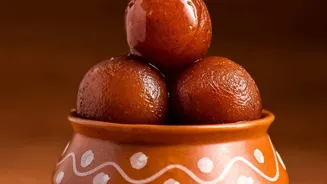
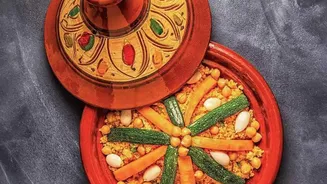
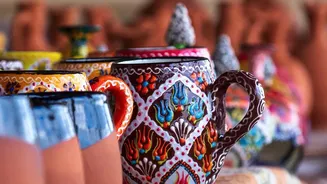
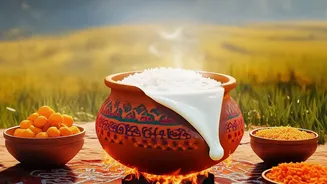
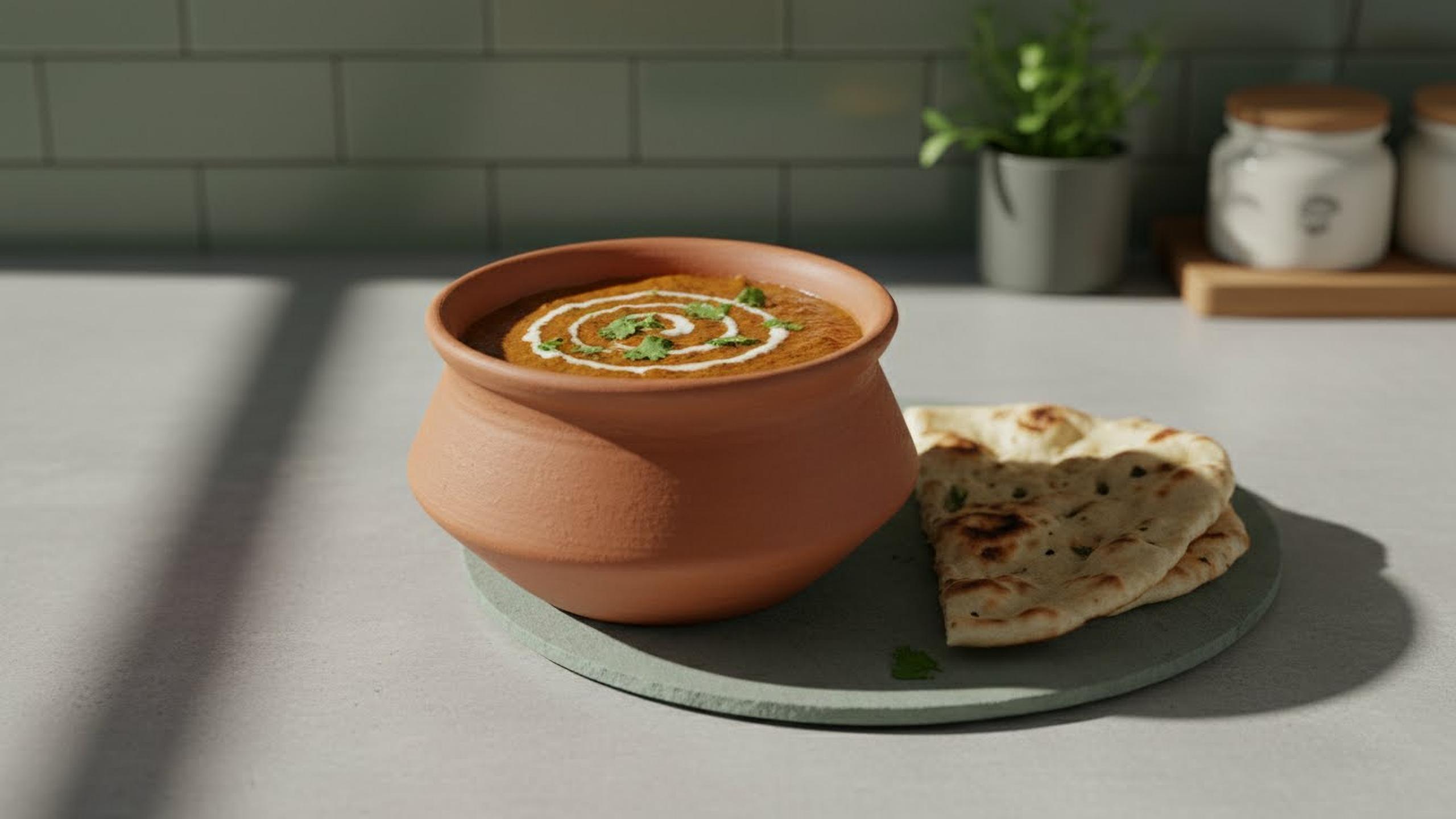
Indian clay cookware is not a one-size-fits-all affair. The handi, a deep, wide-mouthed pot, is perhaps the most iconic, perfect for slow-simmering curries like chicken korma, rich dals, and layered biryanis. Its shape ensures that heat is distributed evenly, allowing complex flavours to meld together beautifully over time. Then there is the chatti, often used in South India for fish curries, as the clay is believed to enhance the taste of the seafood. For desserts and drinks, the smaller matka is used for setting yogurt (dahi) or serving the popular street-style matka kulfi and chai. Each pot is designed for a specific culinary purpose, showcasing the depth and sophistication of this traditional craft. Handcrafted by local artisans, these pots are as much a piece of art as they are functional cookware.
Getting Started with Earthenware
Using a clay pot for the first time requires a little preparation, but the effort is well worth it. The most crucial step is seasoning. A new, unglazed pot must be submerged in water, ideally overnight, to allow the clay to absorb moisture. This prevents the pot from cracking when heated. Some traditional methods also involve boiling starchy water (from rice, for example) inside the pot to help seal the pores. When cooking, always start with low heat and increase it gradually to avoid thermal shock. Cleaning is also different; harsh soaps should be avoided as the porous clay can absorb them. Instead, use a simple scrub with baking soda or salt and hot water. With proper care, a clay pot can last for years, with its cooking performance improving over time.
More Than Just a Meal
Embracing clay pot cooking is about more than just the food; it's a holistic experience. It encourages a slower, more deliberate approach to cooking that stands in contrast to today's fast-paced world. The earthy aroma that fills the kitchen, the deep flavours that develop over hours, and the connection to centuries of culinary tradition all contribute to a more mindful and rewarding time in the kitchen. By choosing these biodegradable and naturally made vessels, home cooks are also making an eco-friendly choice, reducing their reliance on industrially manufactured cookware. It’s a simple act that brings authentic taste, health benefits, and a piece of cultural heritage right to the dinner table.