




The Problem With a Single Overhead Light
For many, lighting a room means using a single, powerful ceiling fixture. While practical for general visibility, this approach often creates an environment that is far from ideal. Harsh, direct overhead light can lead to eye strain, headaches, and a tense
atmosphere. It creates glare on screens and shadows in inconvenient places, making focused activities more difficult. Psychologically, intense overhead lighting can even contribute to feelings of stress, while dim, poorly distributed light can cause sluggishness and reduce alertness. This one-size-fits-all solution ignores the varied activities that happen within a room, from reading and working to relaxing and socialising. It illuminates everything at once, without nuance, depth, or comfort.
The Professional Approach: Layered Lighting
Interior designers and lighting professionals use a technique called 'layered lighting' to create spaces that are both functional and atmospheric. This method involves combining three distinct types of light. The first is ambient light, which provides the general, overall illumination for a room, often from a ceiling fixture or large lamp. The second is accent light, which is used to highlight specific features like artwork or architectural details. The third, and arguably most crucial for daily activities, is task lighting. Task lighting is focused, direct light aimed at a specific area where an activity is performed. By combining these three layers, you gain complete control over a room's mood and functionality, allowing you to tailor the light to the moment.
The Power of a Dedicated Task Lamp
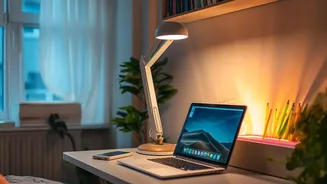
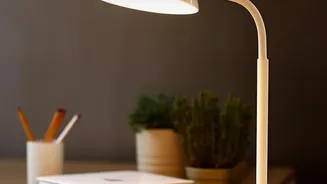
This is where the dedicated task lamp shines. Unlike an overhead light that spreads illumination across an entire room, a task lamp concentrates light exactly where you need it. This is essential for activities that require close attention, such as reading, writing, cooking, or working on a computer. By providing focused light, a task lamp reduces eye fatigue and helps prevent distracting glares and shadows. This can lead to improved concentration and productivity. Furthermore, using a task lamp allows you to lower the overall ambient light in the room, creating a cozier, more relaxed atmosphere. Instead of a starkly lit space, you get a pleasant pool of light for your activity, with softer, gentler light in the surrounding area.
How to Choose the Right Task Lamp
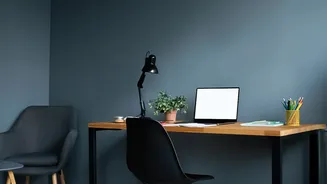
When selecting a task lamp, several factors are key. Adjustability is paramount; look for a lamp with a swing arm or gooseneck that allows you to position the light precisely. The type of bulb also matters. LED lamps are energy-efficient and modern options often come with adjustable brightness and colour temperature. For focused work during the day, a cooler, white light (around 4000K-5000K) can boost alertness. For evening reading or relaxing, a warmer, yellow-toned light (2700K-3000K) is gentler on the eyes and less likely to disrupt your sleep cycle. Also consider placement: a right-handed person should place the lamp on their left to avoid casting shadows with their hand, and vice versa for a left-handed person.
Task Lighting Beyond the Office Desk
The benefits of task lighting extend far beyond the home office. In the kitchen, under-cabinet lighting can illuminate countertops for safer food prep. In the living room, a floor lamp angled over an armchair creates a perfect reading nook. Bedside table lamps provide focused light for reading without disturbing a partner. Even workshops and craft areas are made more functional with direct, adjustable light. Any area in your home where a specific activity takes place can be improved with a dedicated light source. By thinking about how you use each space, you can strategically place task lamps to make your home more comfortable, functional, and visually appealing.