



Fat on your plate can be confusing. Is ghee good or bad? What about all those different oils? Let's clear up the confusion and break down the real difference between saturated and unsaturated fats, helping you make healthier choices every day.
Fats 101: An Essential Nutrient
First things
first: your body needs fat. It’s an essential macronutrient, just like protein and carbohydrates. Fats provide energy, protect your organs, build healthy cells, and help you absorb crucial vitamins like A, D, E, and K. The conversation isn’t about eliminating fat entirely, but about understanding that not all fats are created equal. The key lies in choosing healthier types of fats more often. The main categories you'll see are saturated, monounsaturated, and polyunsaturated fats. Each has a different chemical structure, which affects how it behaves both in the kitchen and in your body.
Saturated Fats: The Solid Story
Saturated fats are molecules that have no double bonds in their chemical structure, which allows them to pack together tightly. This is why they are typically solid at room temperature. Think of butter, ghee, the fat on meat, and full-fat dairy products like cheese and cream. Certain plant-based oils, known as tropical oils like coconut and palm oil, are also high in saturated fat. For decades, a high intake of saturated fat has been linked with increased levels of LDL cholesterol, often called 'bad' cholesterol, which can raise the risk of heart disease. Health bodies like the World Health Organization (WHO) recommend limiting saturated fat to no more than 10% of your total daily calories.
Unsaturated Fats: The Liquid Assets
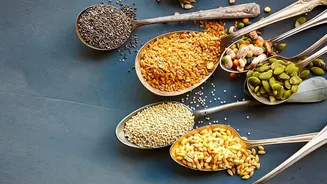
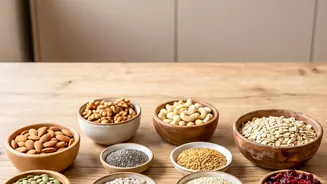
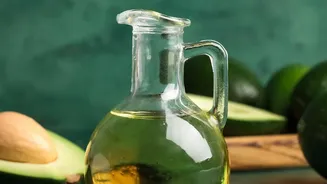
Unsaturated fats have at least one double bond in their chemical structure. These bonds create kinks in the molecule, preventing them from packing together. As a result, they are usually liquid at room temperature, which we see as oils. These are generally considered the 'healthier' fats and come in two main varieties: monounsaturated and polyunsaturated. Replacing saturated fats with unsaturated fats has been shown to help reduce bad LDL cholesterol levels and lower the risk of cardiovascular disease. Common sources in Indian kitchens include mustard oil, groundnut oil, sesame oil, nuts, and seeds.
A Deeper Dive: Mono vs. Poly
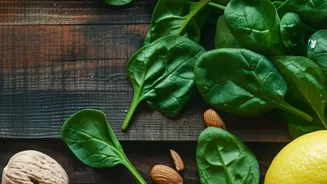
Monounsaturated fats have one double bond. They are found in foods like olive oil, canola oil, peanut oil, avocados, and most nuts like almonds and cashews. They are celebrated for helping to lower bad cholesterol while maintaining good HDL cholesterol. Polyunsaturated fats have more than one double bond and include the essential omega-3 and omega-6 fatty acids, which your body can't make on its own. Omega-6s are found in oils like sunflower and soybean oil. Omega-3s, which are particularly good for heart and brain health, are found in fatty fish (like salmon and mackerel), walnuts, and flaxseeds (alsi).
Balancing Fats in Your Diet
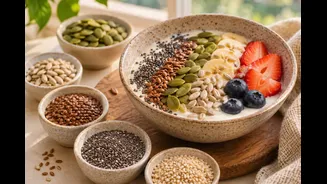
The goal isn't to completely banish saturated fats but to strike a better balance. A teaspoon of ghee on your dal can be part of a healthy diet; the concern arises when it's the main cooking fat for every meal, or when your diet is heavy in fried snacks, biscuits, and creamy restaurant curries made with butter and palm oil. A simple strategy is to make smart swaps. Try cooking with mustard or groundnut oil instead of using butter or vanaspati for every dish. Snack on a handful of almonds or walnuts instead of packaged namkeen. Including a variety of nuts, seeds, and oils in your diet ensures you get a healthy mix of different unsaturated fats.