



From Textbook Pages to Launch Pads
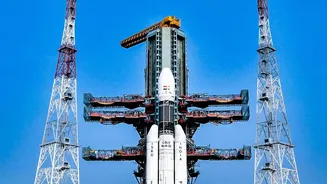
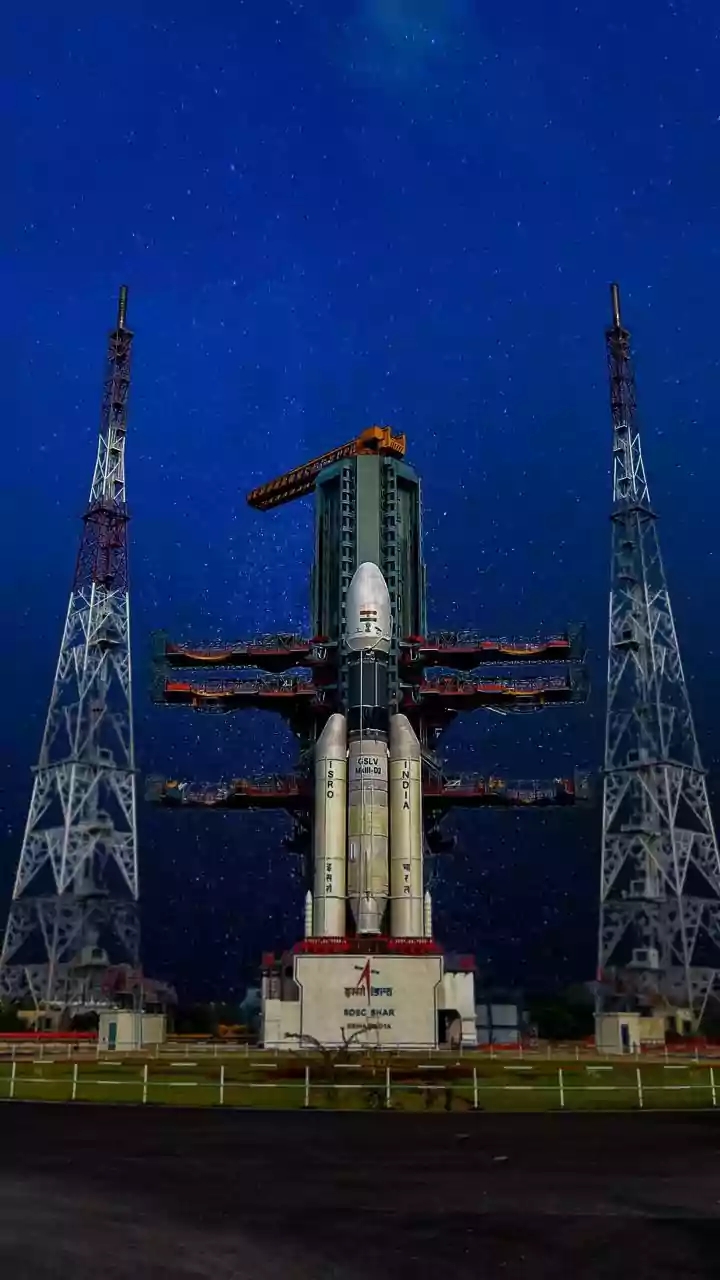
There is a profound difference between reading about gravitational force and standing in the shadow of a Polar Satellite Launch Vehicle (PSLV) model. School trips to Indian Space Research Organisation (ISRO) centres transform abstract scientific principles
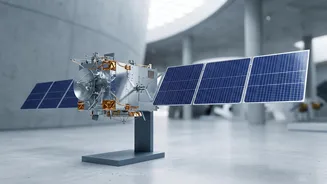
into towering, real-world achievements. Facilities like the Satish Dhawan Space Centre in Sriharikota or the U R Rao Satellite Centre in Bengaluru offer students a sensory experience that books cannot replicate. They can see the intricate assembly of satellites, walk through space museums showcasing India's journey, and witness the sheer scale of the infrastructure required to send a mission to the Moon or Mars. This direct exposure helps demystify space technology, making it feel less like science fiction and more like an achievable reality built by people just like them.
Meeting the Minds Behind the Missions
One of the most impactful elements of an ISRO visit is the human connection. Students get the chance to interact with the scientists and engineers who build and run India's space programme. During guided tours and Q&A sessions, they can ask questions directly to the experts, hearing firsthand about the challenges and triumphs of a mission like Chandrayaan-3. For many young people, this is a formative experience. It shows them that scientists are not just characters in a book but real, accessible people. One student from Wardha, after visiting ISRO, said she wanted to return one day not as a visitor, but as a scientist herself. These interactions provide relatable role models and offer a clear vision of what a career in science looks like.
Structured Pathways to a Space Career
ISRO’s commitment to inspiring the next generation goes beyond general visits. The organisation has created structured programmes designed to “catch them young.” The most prominent among these is the “Young Scientist Programme,” or YUVIKA. This two-week residential programme invites meritorious Class 9 students from across the country to live and learn at various ISRO centres. The curriculum is immersive, featuring lectures, hands-on activities like building and launching model rockets, and interactions with senior scientists. The YUVIKA 2026 programme, for instance, selected 456 students from over 100,000 applicants, demonstrating the immense interest in such opportunities. By offering a fully sponsored, in-depth experience, ISRO provides a clear and exciting pathway from school to a potential STEM career.
Beyond Rocket Science: A Universe of Careers
A visit to an ISRO facility also broadens students' understanding of what a “space career” entails. While aerospace engineering is a major field, the space industry requires a vast range of skills. Students learn that the sector also needs data scientists to analyse mission outputs, electronics engineers to design avionics, computer scientists for software development, and even visual designers and communicators. Private startups in India's booming space-tech sector are also looking for talent in areas like satellite systems, IoT, and bid management. This realisation is crucial, as it shows students from diverse academic backgrounds that they too can find a place in India’s space journey, contributing their unique skills to the collective effort of exploration and innovation.
How to Open the Doors to ISRO
While individual visits are generally not permitted, ISRO actively encourages school and college groups. The process typically begins with a formal request from the head of the educational institution to the Public Relations Officer of the specific ISRO centre they wish to visit. Several centres, including those in Ahmedabad, Thiruvananthapuram, and Bengaluru, have dedicated exhibition spaces and procedures for student visits. Furthermore, ISRO's outreach extends through initiatives like the 'Space on Wheels' bus, which brings space science to different parts of the country, and special programmes for students in specific regions, such as the North East. For those watching from a distance, ISRO even offers a public viewing gallery at Sriharikota to witness live launches, providing another avenue for inspiration.