




The Algorithm's Invisible Hand
First, it's important to understand what the algorithm does. Platforms like Instagram, Facebook, and TikTok use complex systems to decide what you see. They analyse your likes, shares, comments, and even how long you pause on a video to build a profile
of your interests. The goal is simple: keep you engaged for as long as possible, because more engagement means more opportunities to show you ads. This is the core business model of the modern social web. The feed is not just a random assortment of posts; it's a highly personalised, constantly updating magazine designed to capture and hold your attention. While this can be great for surfacing content you might love, it also means the platform, not you, is the primary editor of your digital world.
A Cure for Digital Fatigue?
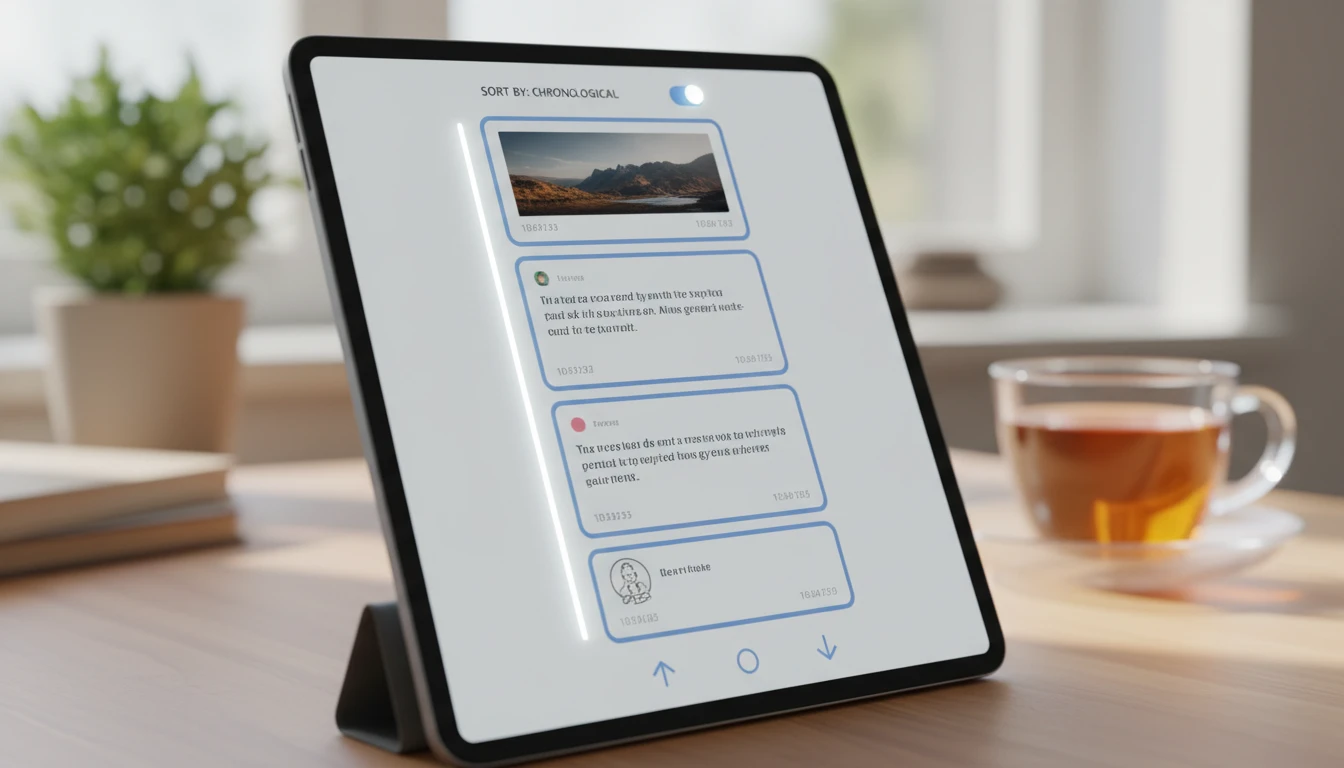
Proponents of algorithm-free, or chronological, feeds argue they offer a more mindful and less manipulative experience. A time-ordered feed is finite; you can scroll to the end and feel like you're 'caught up.' This could potentially reduce the endless, 'doomscrolling' behaviour that algorithmic feeds are designed to encourage. The idea is that it returns control to the user, promoting a healthier, more deliberate way of using social media. However, studies have shown that when users are switched back to chronological feeds, they often get bored and spend less time on the app, sometimes moving to other, more algorithmically engaging platforms. Meta found that when some users were given a chronological Instagram feed, their time on TikTok increased significantly.
The Creator Discovery Paradox
One of the most complex trade-offs involves content creators. For new and emerging artists, musicians, and entertainers, algorithms can be a lifeline. A single viral video, amplified by TikTok’s recommendation engine, can launch a career overnight by reaching millions of people who don't follow the creator. In a purely chronological world, visibility is largely tied to your existing follower count and how frequently you post. This system would heavily favour established influencers and those who can produce content constantly, potentially making it harder for new talent to break through. While algorithms can create frustrating filter bubbles, they also serve as powerful, if unpredictable, discovery engines.
Rebalancing Platform Power
A key argument for abandoning algorithms is to reduce the immense power platforms wield. Algorithmic amplification is a form of editorial control; platforms decide which topics, posts, and creators get prominence. Switching to a chronological feed would, in theory, remove this layer of influence, making the platform a more neutral conduit for information. However, this doesn't eliminate platform power, it just changes its form. The company still controls the app's design, its moderation policies, and the very existence of the 'following' model. True power isn't just in what gets amplified, but in the total control of the communication infrastructure.
The Myth of the 'Neutral' Feed
The idea of returning to a 'perfectly neutral' feed is itself a form of nostalgia. Early social media may feel simpler in retrospect, but a chronological feed is not truly neutral; it's just a different kind of algorithm, one that is simply sorted by time. Its contents are still heavily filtered by who you choose to follow, when they post, and when you happen to log on. If you follow 1,000 people, a chronological feed can be just as overwhelming and irrelevant as an algorithmic one. This nostalgia overlooks the fact that we often say we want control, but our actions show we also value discovery and relevance, even if it's algorithmically generated. The yearning is less for a specific feed design and more for a sense of connection and control that feels lost.