





What Exactly Is Flexible Solar?
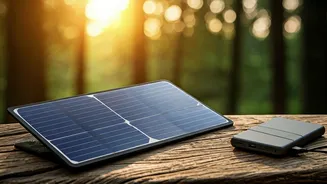
When you hear 'solar panel', you probably picture the heavy, rigid glass rectangles bolted to rooftops. Flexible solar technology is a different beast entirely. These panels are engineered for portability. Instead of thick glass and rigid aluminium frames,
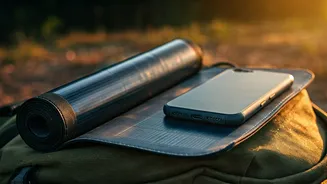
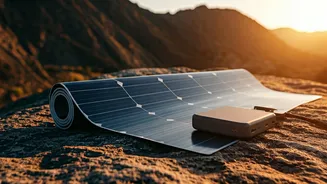
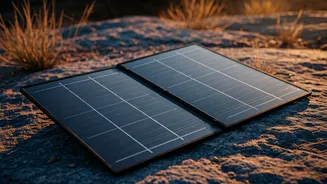
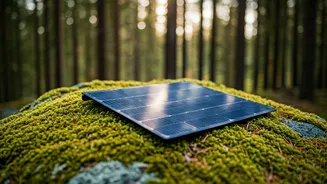
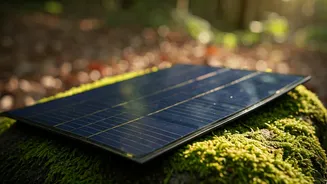
they use advanced, lightweight photovoltaic cells placed on a flexible backing, such as durable plastic or fabric. This allows them to be bent, rolled, or folded, making them ideal for life on the move. Most flexible panels for camping use either thin-film cells or highly efficient monocrystalline cells sliced into thin wafers. The result is a power source that can be packed away in a backpack or vehicle without the weight and bulk of traditional panels.
The Big Advantages for Campers
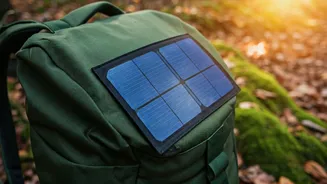
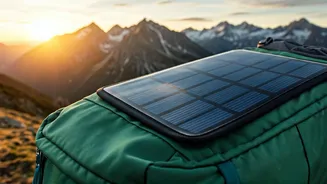
For anyone who loves the outdoors, the benefits of flexible solar are immediately obvious. The number one advantage is portability. A 100-watt flexible panel can weigh as little as 2-3 kilograms, a fraction of the 8-10 kilograms a rigid panel of the same output might weigh. This makes a huge difference whether you're backpacking, overlanding, or just trying to save space in a packed car. Their versatility is another major plus. You can drape a flexible panel over your tent, lay it across your vehicle’s windscreen, or strap it to your backpack to charge a power bank while you hike. They are also generally more durable against minor bumps and drops, as there's no glass to shatter—a crucial feature when navigating rough terrain.
Building Your Off-Grid Power System
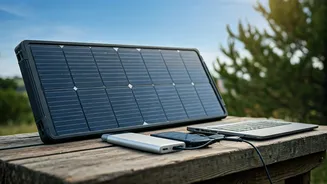
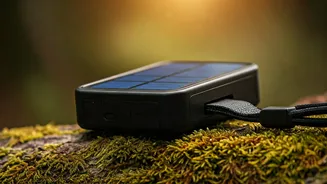
Harnessing the sun’s energy requires more than just a panel. A complete off-grid setup has three core components. First is the flexible solar panel itself, which captures sunlight and converts it to DC electricity. Second is a battery, which stores that energy for later use. This can be anything from a small pocket-sized power bank for your phone to a large, high-capacity portable power station (often called a 'solar generator'). These stations are all-in-one units that contain a battery, an inverter to provide AC power (like a wall socket), and multiple USB and DC ports. The third, and often overlooked, component is a charge controller. This device sits between the panel and the battery, regulating the voltage to prevent overcharging and damage. Luckily, nearly all modern portable power stations have a charge controller built right in, simplifying the setup to a plug-and-play process.
What Can You Realistically Power?
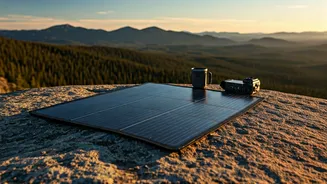
It’s important to have realistic expectations. A portable solar setup won’t power energy-hungry appliances like an electric kettle or a portable air conditioner. Its strength lies in keeping your essential electronics alive. A 50 to 100-watt panel paired with a medium-sized power station (around 500 watt-hours) is perfect for a weekend trip. This combination can easily keep phones, cameras, GPS devices, and headlamps fully charged. It can also run camp lighting, a portable fan, or even a small, highly efficient 12V camping fridge. A larger 200-watt array can replenish your power station faster, giving you more freedom to use your devices without worrying about running out of juice before the sun comes up again.
Tips for Maximum Sun Power
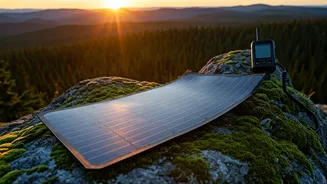
To get the most out of your setup, you need to think like a sunflower. Solar panels work best when they are aimed directly at the sun. As the sun moves across the sky, try to reposition your panel every couple of hours to maintain the optimal angle. This can dramatically increase your energy harvest compared to just laying it flat on the ground. Keep the surface clean; a layer of dust, dirt, or bird droppings can significantly reduce efficiency. Finally, be mindful of shade. Even partial shading from a single tree branch can have a major impact on the panel's output. Finding a spot with clear, unobstructed sunlight is the single most important factor for a successful off-grid power day.