



The Humidity Trap: Why Closed Windows Are a Problem
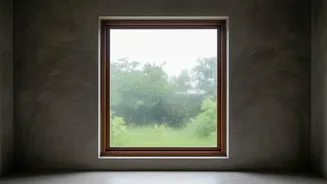
While shutting windows protects your home from the downpour, it creates a sealed indoor ecosystem. The biggest issue during the rainy season is the spike in humidity. Relative humidity levels can soar to 80-90%, creating a damp environment that is ideal
for biological contaminants. This trapped moisture clings to walls, furniture, and fabrics, turning your home into a breeding ground for problems you often can't see. Furthermore, with no fresh air circulating, common indoor pollutants from cooking, cleaning products, and even furniture get concentrated to potentially harmful levels.
The Rise of Mould, Mildew, and Mites
High humidity is a direct invitation for mould and mildew. These fungi thrive in damp, poorly ventilated areas like bathroom corners, behind cupboards, and on window frames. As they grow, they release microscopic spores into the air, which can trigger allergies, worsen asthma symptoms, and cause respiratory issues like coughing and wheezing. You might notice a persistent musty smell, which is a tell-tale sign of their presence. Alongside mould, the damp conditions also encourage dust mites to flourish in carpets, bedding, and upholstered furniture, further degrading the air you breathe.
The Invisible Threat of VOCs
It’s not just biological growth you need to worry about. Many common household items, including paint, furniture, cleaning agents, and plastics, release Volatile Organic Compounds (VOCs). High humidity and warm temperatures can actually accelerate the rate at which these chemicals are released, a process known as off-gassing. When your home is sealed, these compounds become trapped indoors, contributing to poor air quality and potentially causing health effects like headaches, dizziness, and irritation of the eyes and respiratory tract.
Smart Ventilation: How to Air Out Your Home Safely
Despite the rain, ventilation is crucial. The key is to do it strategically. Try to open windows and doors for brief periods during drier parts of the day, such as the morning or when a storm has passed, to create cross-ventilation. This simple act flushes out stale, humid air and replaces it with fresher air. Additionally, make regular use of exhaust fans in your kitchen and bathrooms. These are designed to pull moisture-laden air directly outside, making them one of your best tools for managing humidity from cooking and showering.
The Role of Dehumidifiers and Air Purifiers
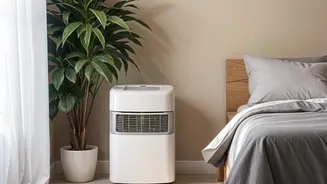
For homes in particularly humid regions, technology can provide significant help. A dehumidifier works by actively pulling excess moisture from the air, helping to maintain an ideal relative humidity level between 40-60%. This makes the environment less hospitable for mould and dust mites. An air purifier, on the other hand, is designed to trap airborne particles. A purifier with a HEPA filter can capture mould spores, dust mite allergens, and other pollutants circulating in the air. While a dehumidifier tackles the root cause (moisture), an air purifier cleans the air of existing contaminants. In many monsoon households, using both can be an effective strategy.
Simple Habits for a Healthier Monsoon Home
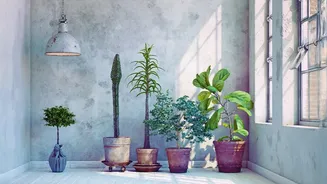
Beyond ventilation and technology, a few simple habits can make a big difference. Fix any leaks in your roof or plumbing promptly to prevent water from seeping in. Clean your home regularly, paying special attention to carpets and damp corners to remove dust and potential mould growth. When possible, choose low-VOC products for painting or cleaning. Adding air-purifying indoor plants like Snake Plants or Areca Palms can also offer a natural, albeit modest, boost to your indoor air quality by absorbing some pollutants.