



The Monsoon’s Magnetic Pull
There’s a certain magic to the monsoon in India. It’s a season of relief, romance, and reflection. But more than anything, it’s a season of sensory triggers. The sound of thunder doesn’t just signal a downpour; it signals that it’s time for chai. The sight
of a rain-soaked street isn’t just a visual; it’s a cue to start slicing onions for bhajiyas. This connection isn't accidental. It’s a culinary tradition woven into our collective DNA, a comforting ritual passed down through generations. When the skies turn grey, our stomachs don’t yearn for novelty. They yearn for the warmth and security of foods that feel like a hug from the inside.
The Unbeatable Classics
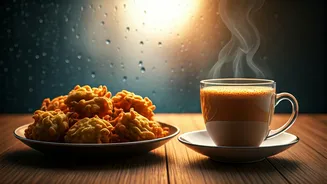
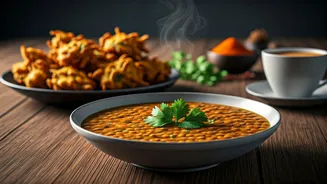
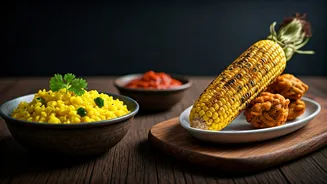
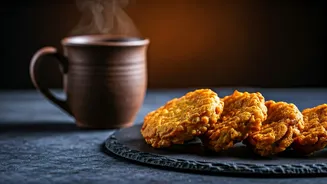
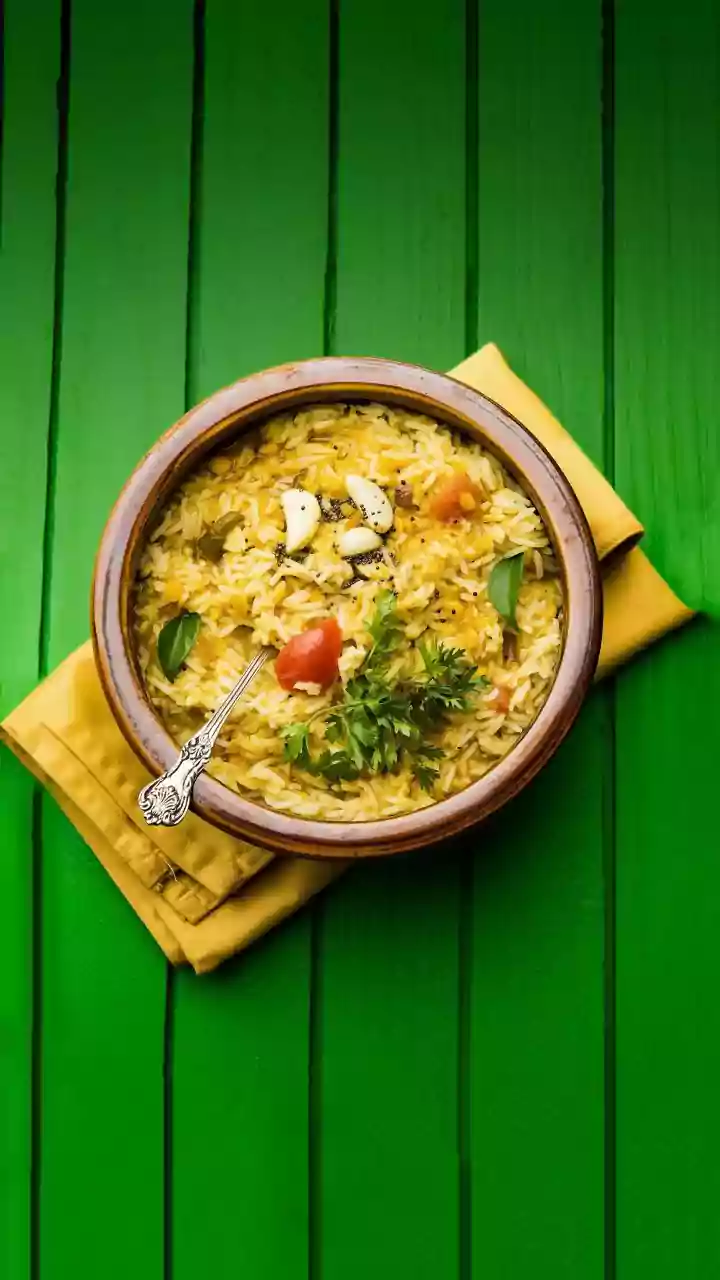
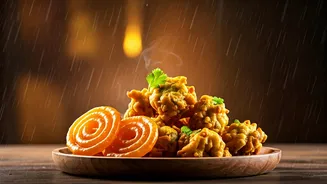
Let’s be honest. When it’s pouring outside, are you really thinking about crafting a deconstructed samosa with a tamarind foam? Or are you dreaming of the real deal: a crispy, flaky pocket of spiced potatoes, fresh from the kadai, maybe a little greasy, and absolutely perfect? The rainy-day food hall of fame is not built on complexity. It’s built on iconic, soul-satisfying simplicity. Think of a steaming plate of mixed pakoras, their crunchy exteriors giving way to soft, savoury insides. Imagine a roadside vendor expertly roasting a bhutta over hot coals, rubbing it with lemon and masala. Or the ultimate sanctuary food: a bowl of simple, hearty khichdi, topped with a dollop of ghee. These aren’t just meals; they are experiences. They are tried, tested, and triumphant champions of comfort.
The Perils of 'Fancy' Experiments
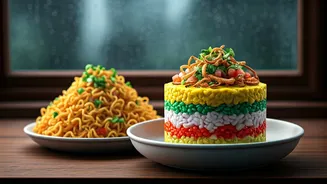
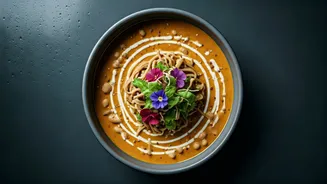
In the age of Instagram food trends, there's a constant pressure to innovate, to elevate, to put a 'gourmet' spin on everything. This has led to the rise of what can only be described as 'fancy rainy food experiments'. We see attempts at gluten-free, air-fried pakoras that taste faintly of disappointment, or artisanal hot chocolate infused with esoteric spices that miss the point entirely. The problem isn’t the experimentation itself—culinary creativity is a wonderful thing. The problem is one of context. The monsoon isn’t a time for high-stakes culinary gambles. It’s a time for reliability. When you’re curled up on the sofa, listening to the rain, you want a guaranteed win. You want the food to comfort you, not challenge you with unfamiliar textures or a flavour profile that requires a post-meal analysis.
The Science of Comfort
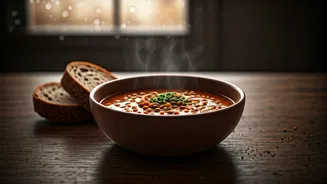
This craving for hot, simple food isn't just about nostalgia; there's a bit of psychology and science at play. The cool, damp weather makes our bodies naturally seek warmth. A hot cup of adrak wali chai or a bowl of spicy soup provides that literal, immediate warmth. Furthermore, many of our favourite monsoon snacks are rich in carbohydrates and fats. These foods can trigger the release of serotonin, a neurotransmitter that contributes to feelings of well-being and happiness. So, that feeling of pure bliss when you bite into a hot samosa is not just in your head. It’s a chemical reaction, a perfect storm of taste, temperature, and brain chemistry designed to make you feel good when the world outside is grey.
A Shared Experience
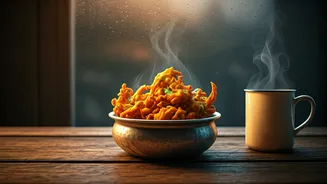
Perhaps the most significant reason hot meals triumph is that they are communal. Nobody makes a single bhajiya. You make a whole platter to be shared with family, friends, or colleagues huddled in the office pantry. The joy of monsoon food is not just in the eating, but in the sharing. It’s about the laughter and conversation that happens over a shared plate, the steam from the teacups fogging up the windows. These fancy experiments are often solitary pursuits, documented for an online audience. The classic hot meals, however, are for the people right there with you. They are a catalyst for connection, turning a gloomy day into an opportunity for togetherness.