



More Than Just Mountains
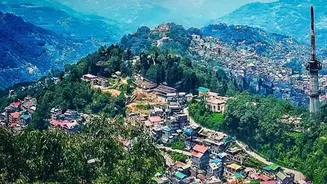
For years, Gangtok has been a beloved tourist destination, celebrated for its breathtaking views of Kanchenjunga and its vibrant local culture. But a new trend is taking root. The city is quietly becoming a sought-after destination for digital nomads
and remote tech workers from across India. These professionals are looking beyond the typical metro hubs like Bangalore and Mumbai, seeking a better quality of life without sacrificing their careers. The appeal lies in a unique combination of a peaceful environment, a lower cost of living, and a growing infrastructure built specifically for them.
The Perfect Blend of Productivity and Peace
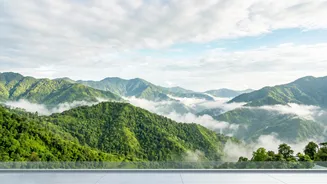
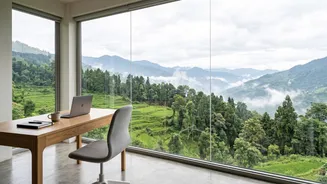
The primary draw for many tech workers is the unparalleled work-life balance that Gangtok offers. Instead of the grind of long commutes and city pollution, a workday can start with mountain views and end with a walk along the serene MG Marg. This environment is highly conducive to deep, focused work, a necessity for coders, developers, and digital marketers. The clean air and tranquil surroundings contribute to better mental health and reduced burnout, a common complaint in the high-pressure tech industry. Co-living spaces and work-friendly cafes provide the structure needed for productivity, while the Himalayas offer the perfect escape for rejuvenation.
Reliable Connectivity in the Clouds
A common concern for anyone considering working from the mountains is the reliability of internet service. However, Gangtok has made significant strides in its digital infrastructure. Major providers like Jio and Airtel offer high-speed fibre broadband and strong 4G connectivity throughout the city. This ensures that video calls, large file transfers, and cloud-based collaboration can happen seamlessly. Dedicated coworking spaces like Sanctorum, Gangtok's first such hub, offer fibre internet, power backup, and professional amenities like meeting rooms and even a podcast studio, directly addressing the needs of a modern remote workforce. Even government-backed initiatives in nearby villages like Yakten are ensuring high-speed internet to promote digital nomadism.
Community, Collaboration, and Cost
One of the biggest downsides of remote work can be isolation. Co-living hubs in Gangtok directly combat this by creating a built-in community. These spaces allow professionals to live and work alongside like-minded individuals, fostering collaboration, networking, and genuine friendships. It’s a solution that combines the autonomy of remote work with the social benefits of an office. Furthermore, the cost of living is a significant factor. Compared to the soaring rents and expenses in major tech cities, Gangtok is remarkably affordable. A 1-BHK apartment can be rented for a fraction of the price of a similar space in Bangalore, and daily expenses are considerably lower. This financial relief allows for greater savings and a more relaxed lifestyle.
A Supportive and Welcoming Ecosystem
The rise of Gangtok as a workation hub isn't just a coincidence; it's supported by a welcoming local culture and proactive efforts. The state of Sikkim has actively promoted itself as a safe and serene destination. Initiatives like 'Nomad Sikkim' are being launched to develop villages into dedicated hubs for working professionals, complete with robust internet and uninterrupted power. This forward-thinking approach, combined with the natural hospitality of the Sikkimese people, creates an environment where remote workers feel not just tolerated, but truly welcome. The result is a growing ecosystem of cafes, homestays, and services all catering to the needs of the modern digital professional.