





The Evolution of a Fitness Staple
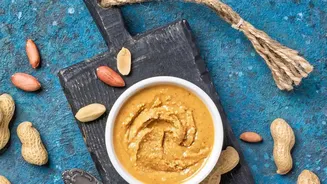
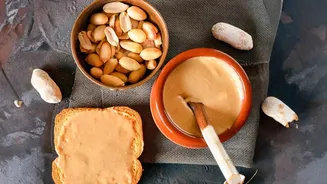
For years, peanut butter has been the go-to for a quick, affordable protein hit. It’s a mainstay in the diets of athletes and gym-goers, valued for its calorie density and ability to provide sustained energy. However, as the Indian wellness market grows,
consumer demands are becoming more sophisticated. The modern fitness fan isn't just looking for protein; they're seeking functional foods with clean labels, transparent ingredients, and added nutritional benefits. This shift has opened the door for small, agile artisanal brands to innovate where mass-market producers have been slower to adapt.
More Than Just Protein
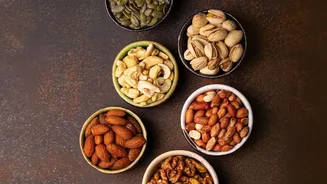
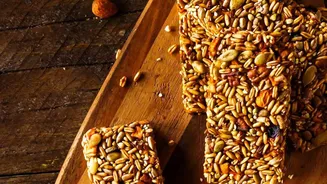
Standard peanut butter is a good source of protein, which is essential for muscle repair and growth. But artisanal producers are elevating this by adding seeds like chia, flax, and pumpkin. These additions do more than just add a crunchy texture; they significantly boost the nutritional profile. Seeds introduce extra plant-based protein, dietary fibre, and healthy fats. Chia seeds, for instance, are packed with omega-3 fatty acids, while flax seeds are another great source. This combination of protein and healthy fats helps increase satiety, keeping you fuller for longer and providing a more sustained energy release, which is ideal for endurance activities.
The Functional Power of Spices
The other key innovation is the use of spices, moving peanut butter beyond its traditionally sweet or salty taste. Brands are experimenting with ingredients like cinnamon, turmeric, and even chilli. This isn't just a culinary choice; it's a functional one. Spices are concentrated sources of antioxidants and can have anti-inflammatory properties. Studies suggest that spices like cinnamon can help regulate blood sugar levels, while turmeric is known for its ability to reduce inflammation—a welcome benefit for athletes dealing with exercise-induced micro-injuries. Research has also shown that adding spices and peanuts to a diet can positively impact the gut microbiome, which is linked to everything from metabolism to immune function.
The 'Clean Label' Appeal
A major reason fitness enthusiasts are drawn to these artisanal products is the commitment to 'clean labels'. Many small-batch producers pride themselves on using minimal, high-quality ingredients—often just roasted peanuts, seeds, spices, and perhaps a natural, unrefined sweetener like jaggery. They avoid the added palm oil, refined sugars, and emulsifiers commonly found in mass-produced peanut butters. This transparency resonates deeply with a health-conscious audience that scrutinises ingredient lists and prefers foods that are as close to their natural state as possible. Artisanal brands often use premium packaging like glass jars, which further enhances the perception of quality and purity.
Why Artisanal Brands Are Leading the Charge
Large companies are built for scale, which can make it difficult to innovate with niche, high-quality ingredients. Artisanal brands, on the other hand, are nimble. They can produce in small batches, experiment with new flavours, and respond directly to feedback from their communities. They often leverage direct-to-consumer (D2C) models and social media, building a loyal following among fitness influencers and enthusiasts who value authenticity. By catering specifically to the needs of the fitness community—offering high-protein, functional, and clean-label products—these brands have carved out a thriving space in a market that was once dominated by legacy players.