



The Science of Seasonal Cravings
There's a biological reason we reach for richer foods when the temperature drops. Our bodies work harder to stay warm, burning more energy in the process. This prompts a natural craving for calorie-dense and warming foods. Historically, this aligned perfectly
with the agricultural cycle. Winter foods in India traditionally feature ingredients like ghee, jaggery, sesame seeds, and hearty millets such as bajra. These ingredients provide the necessary heat and energy to combat the cold. Furthermore, reduced exposure to sunlight in winter can lower levels of serotonin, the mood-regulating neurotransmitter. This dip can increase appetite and cravings for carb-rich comfort foods that provide a temporary mood boost.
Punjab’s Soulful Classic: Sarson da Saag
No dish screams 'North Indian winter' quite like Sarson da Saag with Makki di Roti. This iconic Punjabi meal is a direct product of its environment. The key ingredient, mustard greens (sarson), is harvested only during the colder months, making the dish a true seasonal specialty. Traditionally, the greens are slow-cooked for hours, often with other leafy vegetables like spinach and bathua, until they break down into a creamy, earthy consistency. This slow cooking process is essential for developing its deep, complex flavour. Enriched with ghee and simple spices like ginger and garlic, Sarson da Saag is more than a meal; it's a celebration of the winter harvest in the fertile lands of Punjab.
Gujarat’s Harvest Medley: Undhiyu
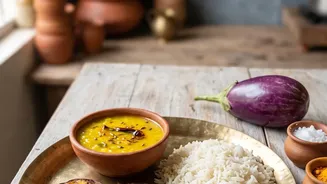
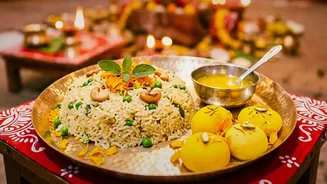
Hailing from Gujarat, Undhiyu is a one-pot wonder that embodies the spirit of winter. Its name comes from the Gujarati word 'undhu', meaning 'upside down', which refers to the traditional method of cooking the dish underground in an earthen pot called a 'matlu', heated from above. This slow-cooking technique allows the myriad of flavours to meld perfectly. Undhiyu is a celebration of the specific vegetables that flourish in the region during winter, including surti papdi (a type of bean), purple yam, sweet potatoes, and small eggplants. These are layered with fried fenugreek dumplings (methi muthia) and a unique masala paste. The result is a complex, aromatic dish that is deeply connected to Gujarat's agricultural heritage and is a staple during the Uttarayan kite festival.
A Royal Legacy: The Warmth of Nihari
Nihari is a rich, slow-cooked meat stew with roots in the royal kitchens of the Mughal Empire in 18th-century Delhi or Lucknow. Its name derives from the Arabic word 'nahar', meaning 'morning', as it was traditionally eaten after morning prayers to provide energy for the day. Originally a breakfast for nawabs, it later became a nourishing meal for labourers, as its high protein content kept them sustained. The dish involves simmering shank meat with bone marrow for several hours, sometimes overnight, with a complex blend of spices that can include long pepper (pippali). This intensely spiced, hearty stew is a perfect antidote to cold winter mornings, offering a taste of culinary history in every spoonful.
A Sweet Tradition: Gajar ka Halwa
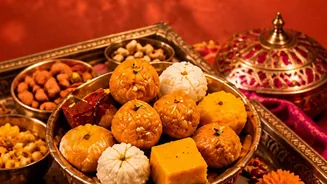
Winter is incomplete without the sweet aroma of Gajar ka Halwa simmering on the stove. This beloved dessert is a winter specialty primarily because of its main ingredient: the juicy, red 'Delhi carrots' that are available only during this season. These specific carrots have a natural sweetness and colour that orange varieties available year-round cannot match, resulting in a more flavourful halwa with less added sugar. The slow process of cooking down grated carrots in milk, ghee, and sugar, often garnished with nuts, is a cherished household tradition across India. It is the perfect, warming end to a winter meal, transforming a simple seasonal vegetable into an indulgent treat.
Why Heritage Matters
These dishes are defined as 'heritage' because they are more than just recipes; they are cultural artifacts passed down through generations. They represent a deep connection to the land, its agricultural rhythms, and the wisdom of seasonal eating. Preparing and sharing these foods reinforces cultural identity and family traditions. In an era of globalised, fast-food culture, these regional specialties are a powerful reminder of the importance of preserving culinary diversity. They offer authentic flavours shaped by centuries of history and a specific sense of place, providing a taste experience that is both deeply personal and universally comforting.