





More Than Just a Sweet Treat
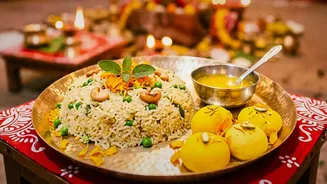
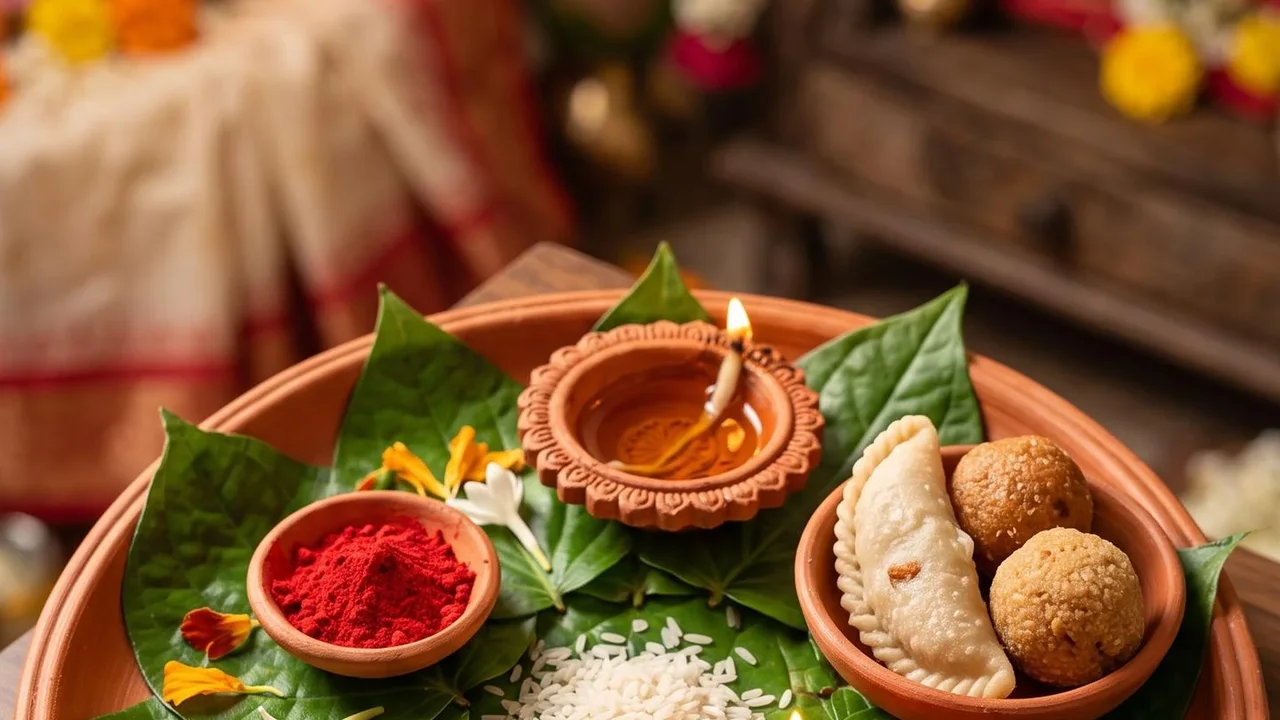
In Bengal, the word 'mishti' or sweet is an emotion, but during Durga Puja, it ascends to a spiritual level. These are not mere desserts to cap off a meal; they are an integral part of the worship itself. Offered first to the Goddess as 'bhog' or 'prasad',
these sweets are considered sanctified. Sharing and consuming this bhog is believed to nourish the soul and purify the mind. This act transforms a simple sweet into a vessel of divine blessing, a tradition that reinforces faith and togetherness during the most important festival of the year.
A Taste of Living History
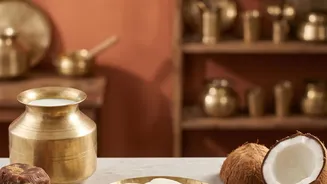
Many of the most cherished Puja sweets are not found in commercial shops but come to life in family kitchens. Recipes for treats like Narkel Naru (coconut laddoos) or Patishapta (sweet crepes) are rarely written down in formal cookbooks. Instead, they exist in the memories and handwritten notes of mothers and grandmothers, passed down as culinary heirlooms. The process of making Narkel Naru, which involves grating coconut and rolling it with jaggery, is a ritual in itself, often performed by the women of the family together. This collaborative effort becomes a living history lesson, where techniques are taught, and family stories are exchanged, binding the younger generation to their ancestors.
The Artistry of Sandesh and Sandhan
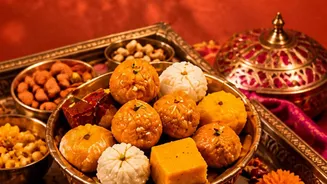
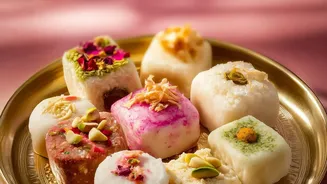
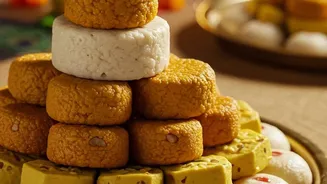
Sweets like Sandesh, made from fresh 'chhena' (cottage cheese), require immense skill and patience, representing the fine art of Bengali confectionery. The technique of achieving the perfect consistency is a craft learned over years, often by observing elders. While famous shops have their own secret recipes, the Sandesh made at home for Puja carries a special touch. Some families still use ornate wooden or terracotta moulds to shape their sweets, turning them into edible art. This meticulous process is a lesson in patience and love, where the feel of the dough and the aroma in the air are just as important as the measurements. It's in these moments that a granddaughter learns not just a recipe, but a piece of her family's identity.
A Culinary Link to Home
For Bengalis living away from their ancestral homes, the act of recreating these traditional sweets becomes a powerful link to their roots. The familiar aroma of melting jaggery or frying Malpua (sweet pancakes) can instantly transport them back to the festive pandals and family gatherings of their childhood. During Durga Puja, making these sweets is a way to combat homesickness and share a piece of their culture with a new generation or a different community. It ensures that even miles away, the spirit of the festival and the taste of home are kept alive, forging a connection not just to family, but to a collective cultural memory.
Evolving Traditions for a New Era
While tradition is paramount, these recipes are not static. Younger generations are beginning to put their own spin on classic sweets, introducing new flavours like chocolate or mango into traditional preparations. This act of innovation is not a rejection of the past, but a continuation of it. By adapting these historic recipes, they are ensuring their relevance and survival for future generations. It is a sign that the tradition is alive and breathing, evolving with the times while still holding onto its core essence. This blend of old and new ensures that the sweet legacy of Durga Puja will continue to connect Bengalis for years to come.