
A Cultural Shift in Cravings
Not long ago, snacking was an act of simple indulgence. Today, it’s becoming an intentional choice driven by profound lifestyle changes. Rapid urbanisation, longer working hours, and a post-pandemic surge in health consciousness have transformed how Indians
approach food. Snacking is no longer just a filler between the traditional three meals a day; for many, it now replaces meals altogether in a trend known as 'snackification'. This shift is especially pronounced among urban professionals and younger generations who are more pressed for time and increasingly aware of their nutritional intake. They are not just eating differently; they are thinking differently, seeking out options that fuel their busy lives without compromising their wellness goals.
The Undeniable Rise of Protein
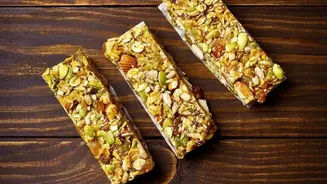
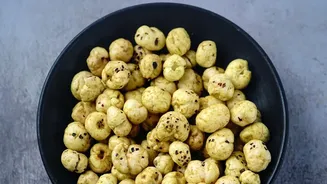
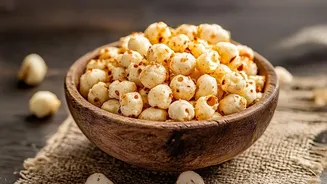
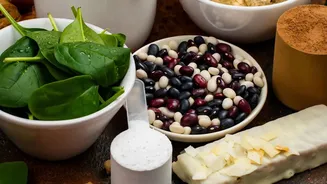
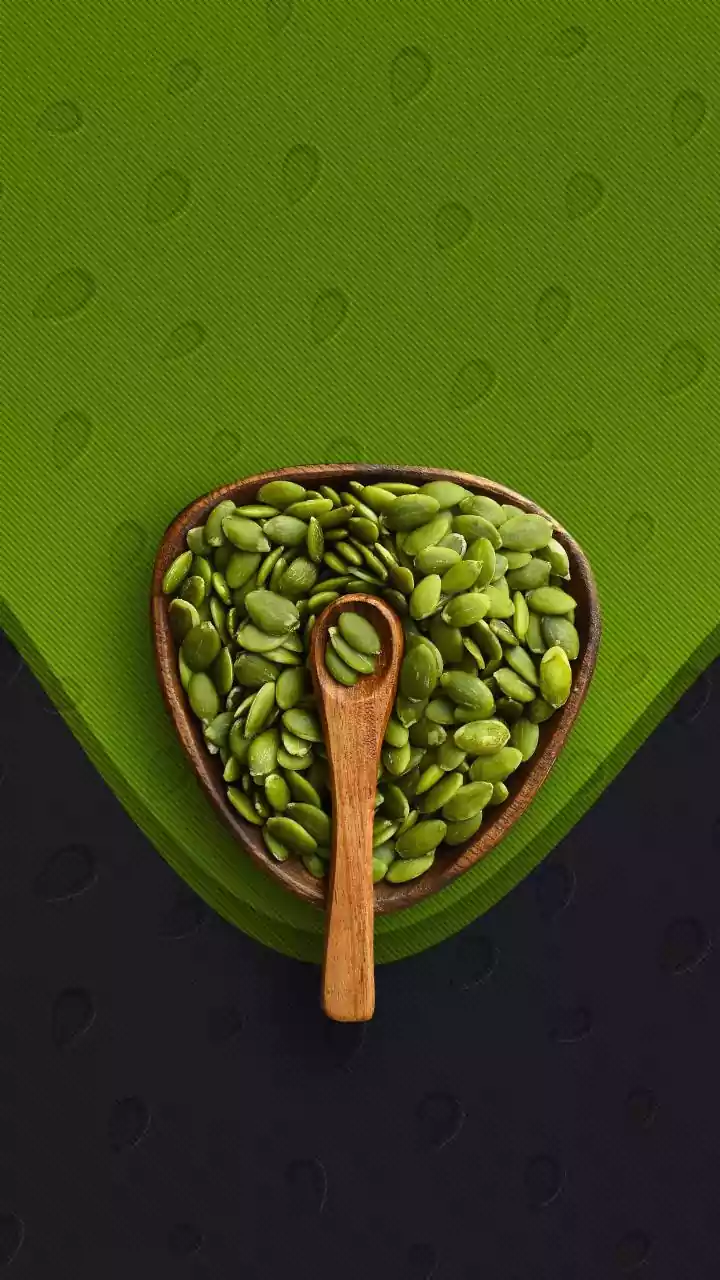
Protein has officially moved from the niche domain of gym enthusiasts to the mainstream Indian grocery cart. With a growing awareness of its role in satiety, muscle health, and overall energy, consumers are actively seeking it out. A recent survey highlighted that a staggering 86% of Indian consumers consider protein an important factor when choosing a snack. This demand has fuelled a massive wave of innovation. Traditional foods like makhana (foxnuts), chana (chickpeas), and various seeds are being rebranded as protein-rich powerhouses. Simultaneously, the market is flooded with new formats like protein bars, Greek yoghurts, and even protein-fortified versions of traditional favourites, from chips to cookies. This isn't just a metro phenomenon either; demand for protein-rich foods is growing over 200% faster in Tier II cities than in major urban centres, signalling a nationwide dietary evolution.
Convenience Is the New Currency
In today's fast-paced world, time is a scarce resource, and convenience has become paramount. The modern Indian snack must fit into a life lived on the move—eaten during a commute, between meetings, or after a workout. This has spurred a revolution in packaging and format. Brands are focusing on single-serving packs, resealable bags, and mess-free formats that are easy to carry and consume. The rise of quick commerce platforms has further amplified this trend, making it possible to get a healthy snack delivered in minutes. This demand for effortless nutrition means products that are ready-to-eat and easy to handle are winning over consumers who value efficiency as much as flavour.
The Quest for 'Clean' Ingredients
Beyond protein and convenience, there is a growing demand for transparency and simplicity. The term 'clean label' has become a powerful driver of consumer choice. Shoppers are more label-literate than ever, actively scanning ingredient lists to avoid artificial additives, preservatives, and unpronounceable chemicals. A recent report found that 62% of respondents consider clear ingredient information a top priority when selecting a snack. This has led to a preference for snacks that are baked instead of fried, sweetened with natural alternatives like dates or jaggery, and made with familiar, wholesome ingredients like millets and ancient grains. Brands are responding by reformulating products to have shorter, more recognisable ingredient lists, tapping into a desire for food that feels both modern and trustworthy.
The Brands Answering the Call
This evolving landscape has created fertile ground for a new generation of Indian snack brands. Startups and direct-to-consumer (D2C) companies are innovating at a rapid pace, creating products that blend traditional ingredients with modern formats. Brands like Snackible and The Healthy Binge are offering baked, millet-based, or protein-popped versions of classic snacks. Others like Eat Better Co. focus on laddoos with no added sugar and roasted namkeens without palm oil. Even established giants are reformulating their offerings to meet the demand for healthier options. From pani puri-flavoured protein chips to moringa-jowar crispies, the market is buzzing with creativity, proving that healthy snacking in India no longer has to be a compromise on taste.