
Master the Art of Smart Storage
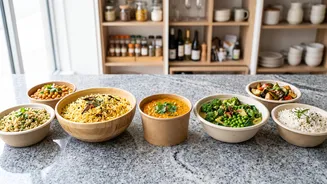
Proper storage is your first line of defence against food waste. The golden rule is to let food cool down completely before refrigerating it. Store curries, dals, and sabzis in airtight containers; this keeps them fresh for up to three days. For sweets,
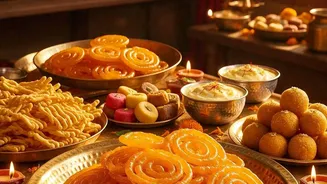
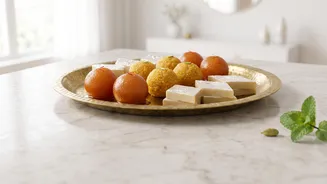
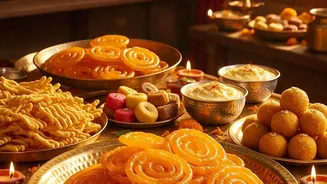
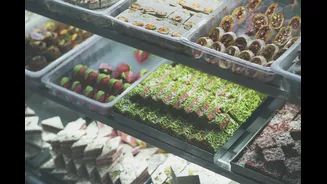
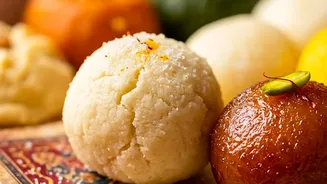
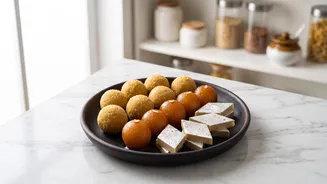
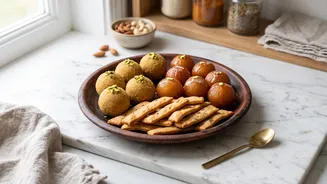
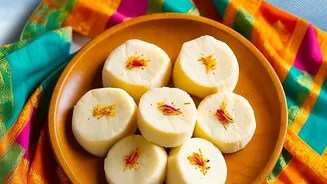
separation is key. Keep dry mithai like barfis and ladoos separate from syrupy ones like gulab jamun or rasgulla to prevent them from becoming soggy. An airtight container is best for all sweets, but especially for dairy-based ones, which should be consumed within a couple of days. Rotis and puris can be wrapped in aluminium foil and stored in a sealed container for up to two days.
Give Savoury Leftovers a Second Life
Yesterday's feast can easily become today's exciting new meal. Leftover dal, for instance, can be kneaded with whole wheat flour, ajwain (carom seeds), and salt to create a flavourful dough for dal puris. Simply roll and deep-fry for a delicious breakfast or snack. Similarly, dry vegetable preparations (sabzi) can be mashed, spiced, and used as a filling for parathas or sandwiches. You can even mix leftover rice with vegetables, add a few spices, and turn it into tasty fried rice or vegetable pulao for a quick and satisfying lunch.
The Great Mithai Makeover
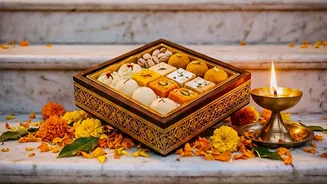
That mountain of mithai doesn't have to be eaten as is. Get creative and transform your leftover sweets into entirely new desserts. Crumbled motichoor ladoos can be layered with custard or hung curd to create a quick parfait or even become the base for a no-bake cheesecake. Kaju katli can be blended into a milkshake or used to make innovative fusion desserts like kaju katli cookies. Even soan papdi can be given a makeover; blend it into a creamy milkshake or crumble it and mix with ghee and nuts to form new ladoos. These simple tricks turn familiar sweets into exciting new treats.
Reinvent Your Fried Snacks
Don't let leftover chaklis, mathris, or samosas go stale. Crush them coarsely and use them as a crunchy topping for salads or chaat. You can create a quick 'chakli chaat' by topping broken chakli pieces with chopped onions, tomatoes, yogurt, and tamarind chutney for an instant, flavourful snack. Stale puris or mathris can be used as a base for sev puri, replacing the traditional flat puris. These snacks already have a wonderful savoury flavour, making them a perfect canvas for a tangy, spicy chaat creation.
Plan Ahead to Minimise Excess
The best way to manage leftovers is to prevent them in the first place. While festive generosity is wonderful, a little planning goes a long way. Try to get a rough headcount of guests to estimate food quantities more accurately. Instead of cooking huge batches of everything, prepare a moderate amount and have ingredients ready for a quick second batch if needed. Often, guests prefer a hot, fresh serving rather than a large portion that goes cold on their plate. Planning your menu also helps you create a shopping list and stick to it, avoiding impulse buys of ingredients you may not use.
Share the Joy and Donate
If you still find yourself with a surplus of untouched, hygienically stored food, consider sharing it. Pack neat portions for your domestic help, building security, or community service providers. It’s a small gesture that extends the festive spirit. For larger quantities of unserved food, look for local NGOs and food banks. Organisations like Akshaya Patra and others often run special drives during festivals to feed those in need. A quick online search can connect you with charities in your city that accept cooked food, ensuring your excess contributes to a heartfelt cause.