



Where Does This Number Come From?
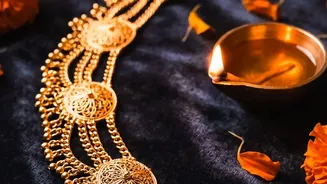
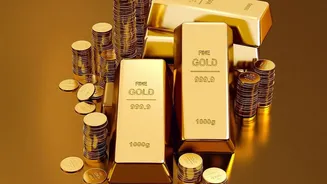
The Rs 72,000 crore figure is a widely reported estimate from the India Bullion and Jewellers Association (IBJA). It covers the sales of 52 tonnes of gold during the auspicious Dhanteras-Diwali period, representing a significant 30% increase in volume
compared to the same period last year. While other trade bodies like the Confederation of All India Traders (CAIT) and the All India Gem and Jewellery Domestic Council (GJC) released slightly different estimates in the lead-up, the IBJA's final tally captured the full scale of the festive rush. This surge in spending highlights a strong revival in consumer confidence.
A 'Perfect Storm' of Buying Factors
Several key factors aligned to create this gold rush. A crucial driver was a timely correction in gold prices. After peaking at around Rs 1.8 lakh per 10 grams in January 2026, prices eased to about Rs 1.42 lakh during the festive window. This nearly 21% drop encouraged many buyers who had been waiting on the sidelines to finally make their purchases. Adding to this was the timing of the festival itself. Dhanteras and Diwali fell early in November, a time when many salaried individuals receive their pay and festive bonuses, ensuring healthy cash flow in the market. The upcoming winter wedding season, starting just after Diwali, also prompted families to make their bridal jewellery purchases in advance, further fuelling demand.
Shifting Consumer Habits and Preferences
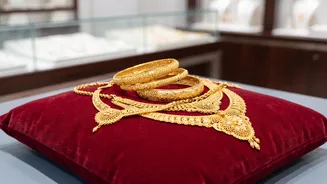
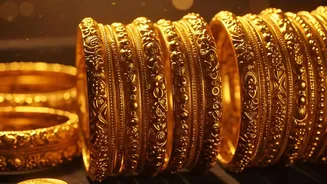
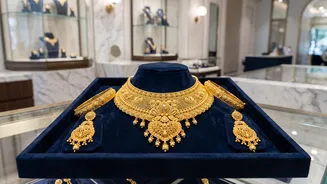
While the overall spending was massive, jewellers noted a clear shift in what consumers were buying. Due to the still-elevated prices compared to previous years, many buyers pivoted towards more practical and affordable options. Lightweight, daily-wear jewellery saw strong demand, as did lower-carat options like 14-karat and 18-karat gold, which became popular among younger, budget-conscious shoppers. This trend allowed consumers to partake in the auspicious tradition of buying gold without bearing the full brunt of high prices. Alongside traditional jewellery, some reports indicated a growing interest in coloured gemstones, as shoppers looked for design-led pieces rather than buying purely based on metal weight.
What This Means for the Indian Economy
This festive splurge is more than just a cultural phenomenon; it's a positive signal for the broader economy. The robust sales indicate a revival of consumer demand and improved sentiment, particularly after a period of volatility. It suggests that despite inflationary pressures and high interest rates, households feel confident enough to spend on discretionary items and traditional investments. However, this level of demand also has implications for the country's trade balance, as a significant portion of India's gold is imported. While the World Gold Council noted that high prices had constrained volumes for much of the year, the festive season demonstrated the powerful, pent-up demand that can be unleashed when conditions are right.