





A World Without Weather
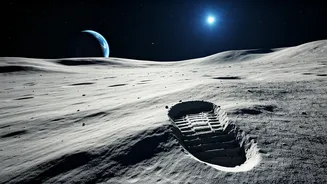
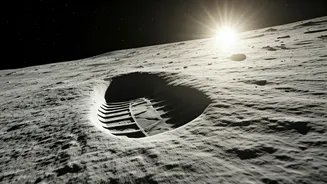
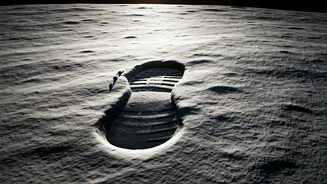
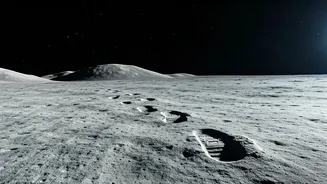
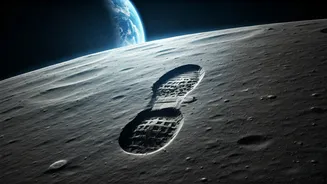
The primary reason for the footprints’ remarkable preservation is the Moon's lack of an atmosphere. On Earth, our planet’s history is constantly being erased and rewritten by the elements. Wind scours away surfaces, rain washes away details, and shifting
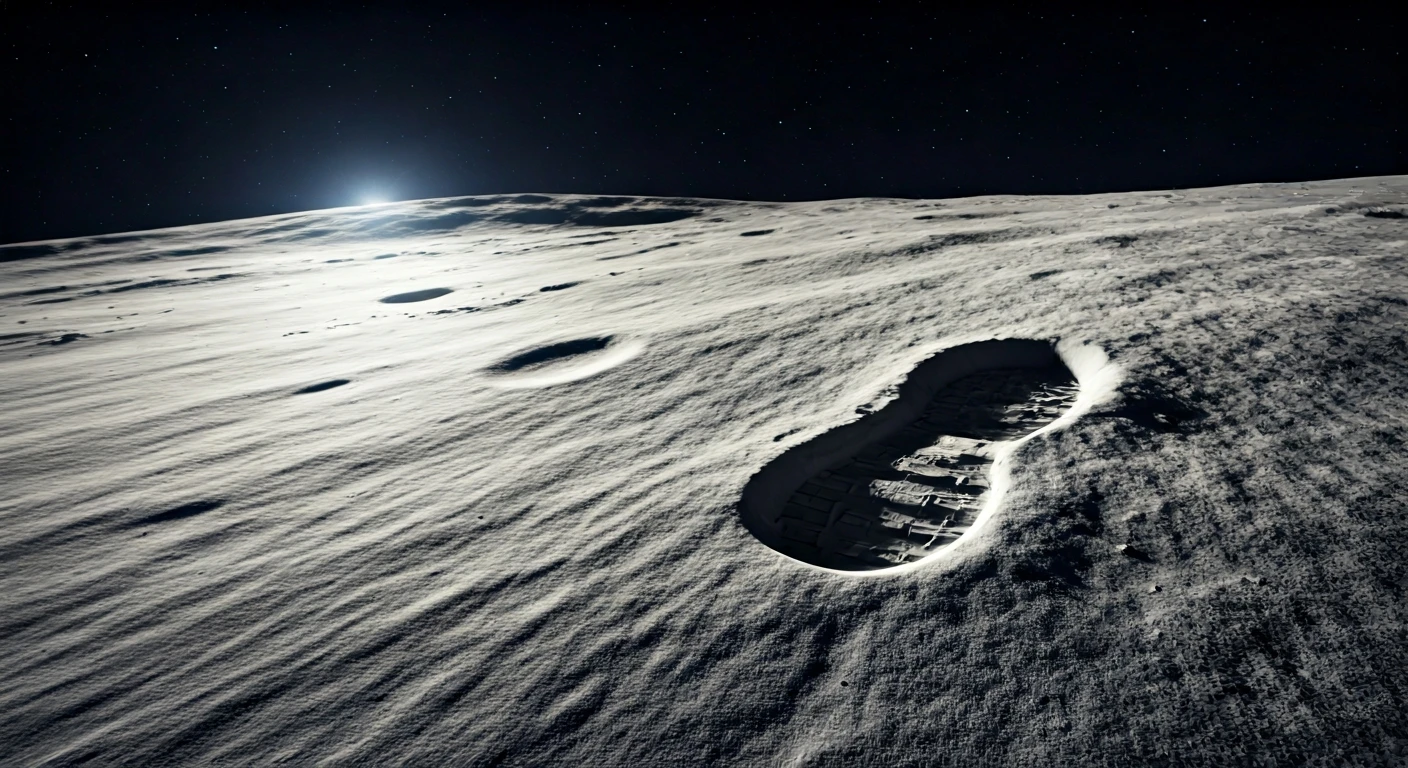
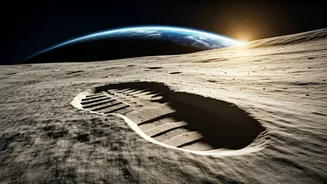
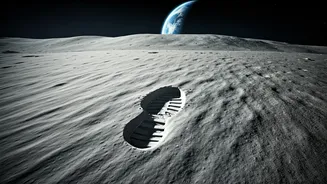
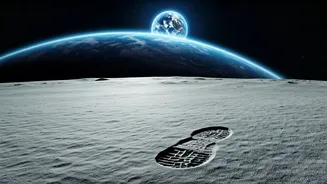
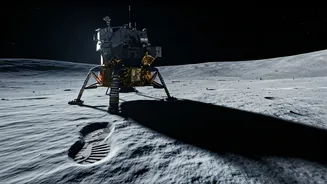
seasons bring cycles of freezing and thawing that break down rock and soil. The Moon has none of this. There is no air, no wind to blow the dust away, and no liquid water to blur the sharp edges of Neil Armstrong’s and Buzz Aldrin’s boot prints. The lunar surface is a place of profound stillness. When the Apollo 11 astronauts lifted off, they left behind a scene frozen in time, protected by a near-perfect vacuum. The only force that could disturb them on a day-to-day basis, wind, simply doesn't exist.
The Science of Lunar Dust
The ‘soil’ on the Moon is not like the soil on Earth. It’s called regolith, a blanket of fine, sharp dust and broken rock fragments created over billions of years by the constant bombardment of micrometeorites. Unlike the rounded sand particles on Earth, which are smoothed by wind and water, lunar regolith particles are jagged and angular. When an astronaut’s boot pressed down, these sharp particles were compacted and interlocked, much like how finely ground coffee holds its shape in a press. This abrasive, clingy quality allowed the regolith to capture an incredibly detailed impression of the boot's tread and fabric. Without any weather to disturb this delicate structure, the impression remains as crisp today as it was in 1969.
Not Quite Forever
While the headline’s sentiment is powerful, the footprints aren’t eternal. They face a slow, steady process of erosion from a different source: space itself. The Moon is constantly peppered by micrometeorites—tiny, sand-grain-sized particles hurtling through space at incredible speeds. Each tiny impact acts like a microscopic sandblaster, kicking up a minuscule amount of dust and very gradually softening the edges of the footprints. Scientists refer to this process as 'space weathering.' It is incredibly slow, a form of erosion that works on a geological timescale. So, while they won't be wiped away in a thousand years, they are unlikely to remain 'perfectly preserved' for millions of years. Most estimates suggest they could remain recognisable for a few million years before being gently erased by this cosmic drizzle.
The New Threat: Humanity
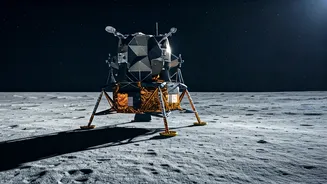
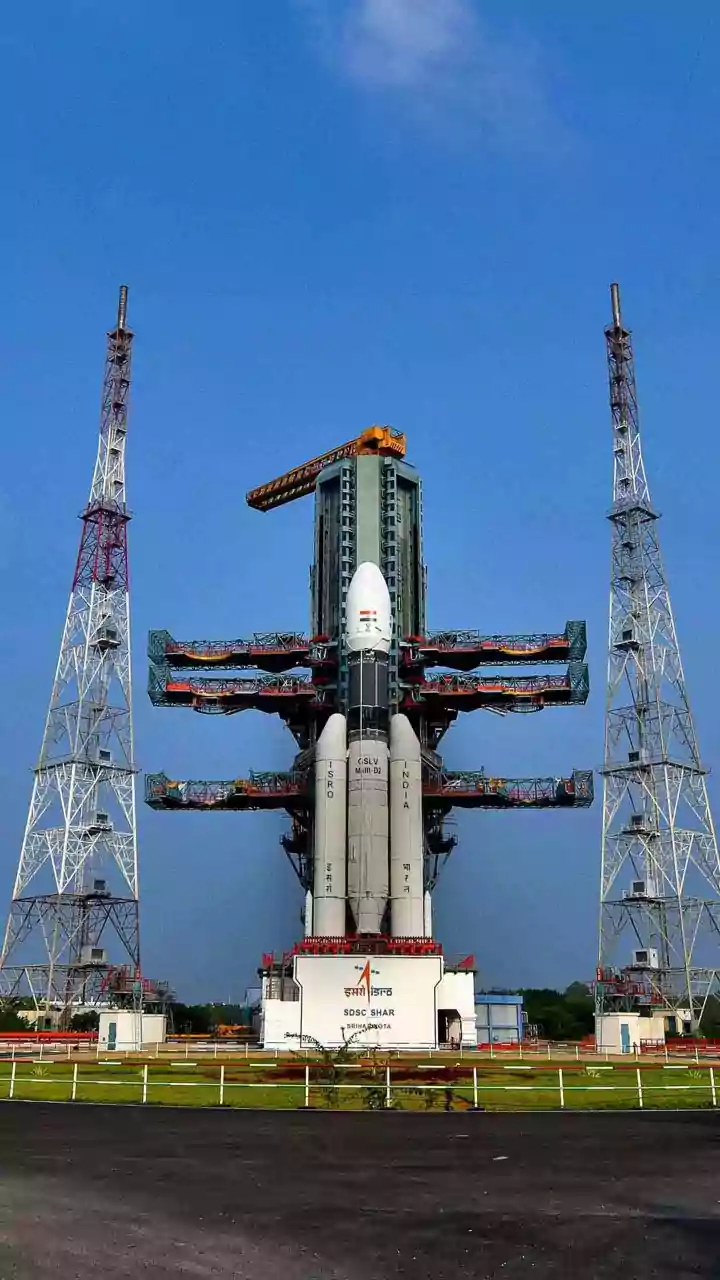
Ironically, the greatest and most immediate threat to the Apollo landing sites is now humanity itself. With the Artemis program aiming to return astronauts to the Moon and commercial companies planning their own missions, lunar traffic is set to increase. The blast from a descending or ascending rocket could easily blow the fragile footprints away in seconds, destroying priceless historical evidence. Recognizing this, NASA has established a set of preservation guidelines, recommending that future missions maintain a safe distance from the historic Apollo sites. These locations, which include not just footprints but discarded equipment and rovers, are considered the first human heritage sites on another world. The challenge is that these guidelines are not internationally binding, creating a precarious future for our first off-world monuments.