



A Taste of School Canteens and Birthdays
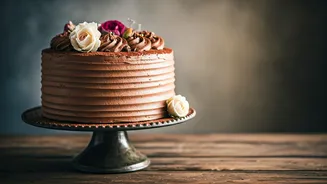
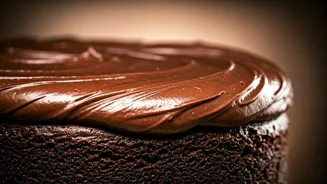
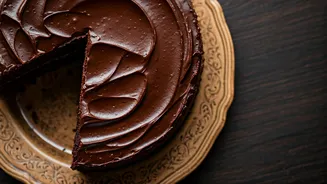
For generations of Indians, the first encounter with a chocolate fudge cake wasn't in a fancy patisserie, but in the humble environs of a school canteen, a local bakery, or as the centerpiece of a birthday party. It was the cake of celebration. Rich,
moist, and smothered in a simple, glossy fudge icing, it was an attainable luxury. This cake represents a core memory for many who grew up in the ‘80s, ‘90s, and early 2000s, a time before the explosion of complex, multi-flavoured desserts. Its appeal lies in its simplicity and the powerful emotional connection it holds, reminding people of family celebrations and the uncomplicated joy of childhood.
A Slice of Colonial History
The story of cake in India is deeply intertwined with its colonial past. Baking itself was not a traditional Indian cooking method, which relied on open flames and steaming. The British introduced ovens, and with them, European-style loaves, puddings, and cakes. Initially served in clubs, army messes, and railway refreshment rooms, these baked goods slowly entered the mainstream. Anglo-Indian kitchens became crucial links, adapting British recipes with local ingredients—using jaggery for sugar or adding spices like nutmeg and cinnamon. Chocolate, once a rare luxury enjoyed by colonial elites and wealthy Indians, began its journey into the wider urban culture through these adapted desserts.
The Irani Cafe and Parsi Bakery Legacy
As baking culture took root, it was the Parsi and Irani immigrants who became its most iconic custodians, especially in western India. Legendary establishments like Kyani & Co. and Yazdani Bakery in Mumbai became cultural institutions, preserving old-world charm and recipes. While famous for bun maska and mawa cakes, their simple, flavourful sponge and chocolate cakes played a huge role in democratizing the dessert. These bakeries offered affordable, delicious treats in a uniquely Indian setting, bridging the gap between colonial-era baking and contemporary tastes. They helped solidify cake as a comfort food for the masses.
The Nirula's Effect: Cementing an Icon
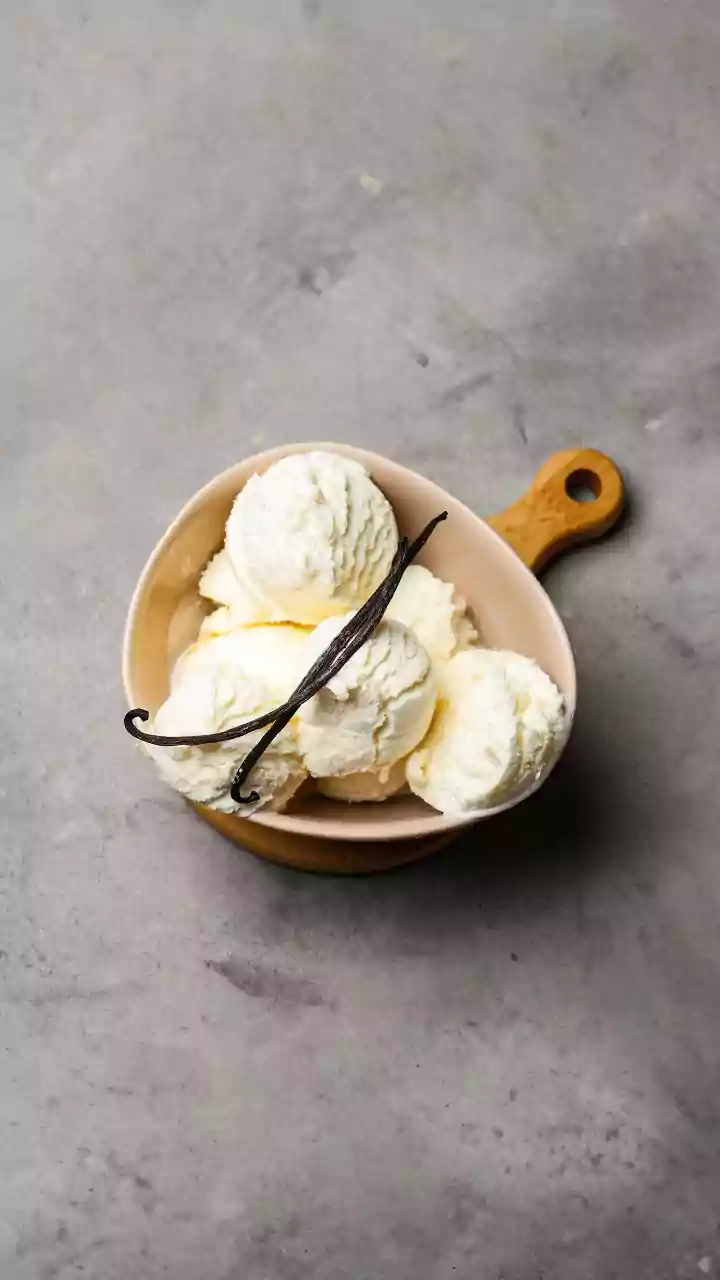
No discussion of India’s love for fudge is complete without mentioning Nirula's. While not a cake, their Hot Chocolate Fudge (HCF) sundae became a cultural phenomenon and defined the flavour profile for a generation. Launched in the late 1970s, this dessert of vanilla ice cream drowned in a thick, gooey, hot fudge sauce became a rite of passage for anyone growing up in Delhi. The unique, chewy texture and deep chocolate flavour of the HCF sauce arguably shaped the nation's palate, creating a benchmark for what a 'fudge' experience should be. It became synonymous with treats, celebrations, and after-school plans, embedding itself into the food-culture history of the capital and beyond.
Why 'Vintage' Triumphs Over Modern
In an age of deconstructed desserts, mirror glazes, and artisanal bean-to-bar creations, the enduring appeal of the vintage fudge cake is telling. Its charm lies in what it is not. It isn't overly sweet or complicated. The focus is on a moist crumb and a dense, satisfying chocolate hit. This stands in contrast to many modern cakes that can prioritize aesthetics over substance. For many, the term 'vintage' signifies authenticity and comfort. It’s a return to familiar flavours that are deeply comforting. This nostalgia is so powerful that even as new trends like lazy cakes and hot chocolate bombs emerge, the classic fudge cake remains a bestseller, a testament to its timeless, fuss-free appeal.