


Waterproofing: Your First Line of Defence
The single most important aspect of a monsoon trek is staying relatively dry. A common mistake is assuming any raincoat will do. For the relentless rain of the Ghats, you need reliable gear. A high-quality poncho is often recommended over a simple jacket
because it provides better ventilation and can cover both you and your backpack. However, a good two-piece rain suit (jacket and pants) offers better mobility on tricky trails. Whichever you choose, ensure it is properly waterproof, not just water-resistant. Internally, everything in your backpack should be segregated into dry bags or thick plastic bags. This ensures that even if your main pack gets damp, your clothes, electronics, and food remain completely dry. Remember to get a dedicated rain cover for your backpack as well.
The Right Footwear and Clothing
Your shoes are critical for grip on slippery, muddy trails. Standard sports shoes or sneakers are a bad idea. Invest in a pair of trekking shoes with deep lugs for superior traction. While waterproof boots seem logical, many experienced trekkers advise against them for prolonged, heavy rain. Water eventually gets in over the top, and the waterproof lining then prevents it from draining, leaving your feet waterlogged. A better strategy is often a pair of quick-draining, water-resistant shoes paired with waterproof socks. Absolutely avoid cotton clothing; it absorbs moisture, gets heavy, and takes forever to dry, which can lead to chafing and feeling cold. Instead, pack quick-dry synthetic T-shirts and lightweight cargo pants that resist tearing.
The Inevitable Leech Situation
Leeches are a fact of life on monsoon trails in the Western Ghats. While they are largely harmless, they can be a nuisance. The best defence is prevention. Wear full-sleeved shirts and tuck your long trousers into your socks to create a physical barrier. Leech-proof socks, which are essentially thick gaiters, are a worthwhile investment. Wearing light-coloured clothing can also help you spot leeches more easily before they attach. Many trekkers also use repellents. You can carry a small spray bottle with a mixture of salt and water, or antiseptic liquid like Dettol diluted with water, to spray on your shoes and socks. If a leech does latch on, do not pull it off, as its mouthparts can remain in the skin and cause infection. Instead, sprinkle salt or dab some hand sanitiser on it, and it will detach on its own.
Backpack and Navigation Essentials
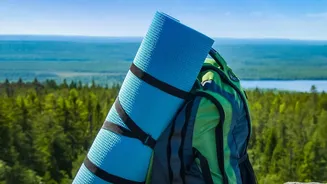
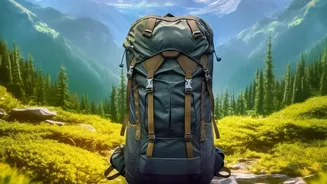
For most weekend treks in the Western Ghats, a backpack with a capacity of 35-45 litres is ideal. This is large enough to carry your rain gear, a change of clothes, food, and a first-aid kit without being too bulky. Ensure the backpack has a comfortable harness system with padded shoulder straps and a hip belt to distribute weight effectively. Navigation is also key, as mist and rain can reduce visibility significantly. While many trails are well-marked, it's wise to have a backup. Download offline maps of the region on your phone, and carry a fully charged power bank. A simple whistle is a crucial safety item in case you get separated from your group.
Health and Safety Kit
Your first-aid kit for a monsoon trek needs a few specific additions. Besides the usual bandages, antiseptic wipes, and pain-relief medication, include an antifungal powder or cream for your feet. Keeping feet dry is a challenge, and dampness can lead to skin issues. Also pack some oral rehydration salts (ORS) and any personal medications. A small bottle of antiseptic liquid is multipurpose, useful for cleaning wounds and as a potential leech repellent. Blister tape is another must-have, as wet feet are more prone to blisters. Finally, a waterproof headlamp or torch is non-negotiable, as weather can turn quickly and you may find yourself trekking in low light.