



The Problem with a Single Light Source
Relying on a lone tubelight or a single bright chandelier to illuminate an entire living room is a common practice, but it has its downsides. This approach tends to cast harsh shadows and create a uniform, one-dimensional brightness that lacks warmth
and character. It can make a space feel less inviting and fails to highlight the carefully chosen furniture, decor, and architectural details that make a house a home. A room that serves multiple purposes—hosting guests, watching television, reading—needs a lighting scheme that is just as flexible. This is where the concept of layering comes in, transforming a flat space into a dynamic and functional environment.
The Three Layers: Ambient, Task, and Accent
Layered lighting is the art of combining three distinct types of light within a single space to create a balanced, versatile, and visually interesting atmosphere. Each layer serves a specific purpose. Think of it as building a complete outfit: you start with a base, add functional pieces, and finish with accessories. In lighting, these layers are ambient, task, and accent light. When used together, they allow a room to adapt to different activities and moods, shifting from bright and energetic to soft and intimate with the flip of a few switches.
Ambient Lighting: The Foundational Glow
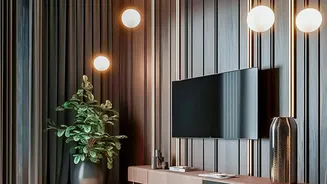
Ambient light is the general, overall illumination that fills the room, allowing you to navigate it safely and comfortably. It's the foundation of your lighting plan, much like natural daylight. This layer can be achieved through various fixtures, including chandeliers, flush-mount or semi-flush-mount ceiling lights, or recessed lighting (downlights) evenly spaced across the ceiling. In modern Indian homes with false ceilings, cove lighting—where LED strips are hidden in a ledge to bounce a soft, indirect glow upwards—has become a popular choice for creating a warm, uniform base.
Task Lighting: For Focus and Function
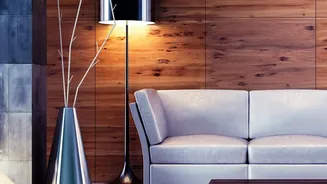
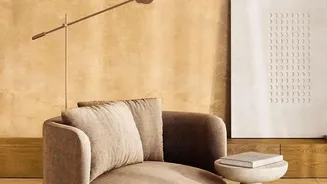
Task lighting is targeted illumination designed for specific activities like reading, working, or cooking. It provides a concentrated, brighter light exactly where you need it, reducing eye strain and improving focus. In a living room context, this could be a stylish floor lamp next to an armchair for your evening reading, a table lamp on a side console, or pendant lights over a specific zone like a study nook. The key is to position task lights to minimise glare and distracting shadows on your activity area. Adjustable lamps are a great option as they offer more control.
Accent Lighting: Adding Drama and Personality
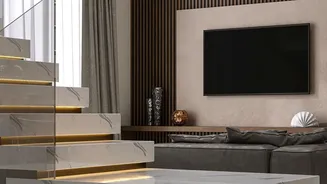
If ambient light is the foundation and task light is for function, accent lighting is what brings personality and drama to a room. This layer is used to create focal points and draw the eye to features you want to highlight, such as a piece of artwork, a textured wall, a plant, or a cabinet of family heirlooms. Common accent lighting fixtures include track lights, spotlights, picture lights mounted above a frame, or uplighters placed on the floor to graze a wall with light, enhancing its texture. As a rule of thumb, accent lighting should be about three times brighter than the surrounding ambient light to make the object stand out effectively.
Bringing It All Together in Your Home
The magic of layered lighting happens when all three types work in harmony. For the best results, put each layer on a separate switch, and use dimmers wherever possible. This gives you complete control to mix the light levels, dialling up the task light for work and dimming the ambient light for a cozy movie night. Pay attention to colour temperature; a warm white light (around 2700K-3000K) is generally recommended for living spaces as it creates a welcoming and relaxing atmosphere that complements the rich colours and textures often found in Indian interiors. By combining layers, you move beyond simple illumination and start painting with light, adding depth and life to your most-used space.