

More Than Just a Condiment
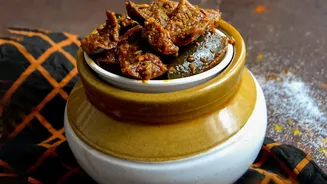
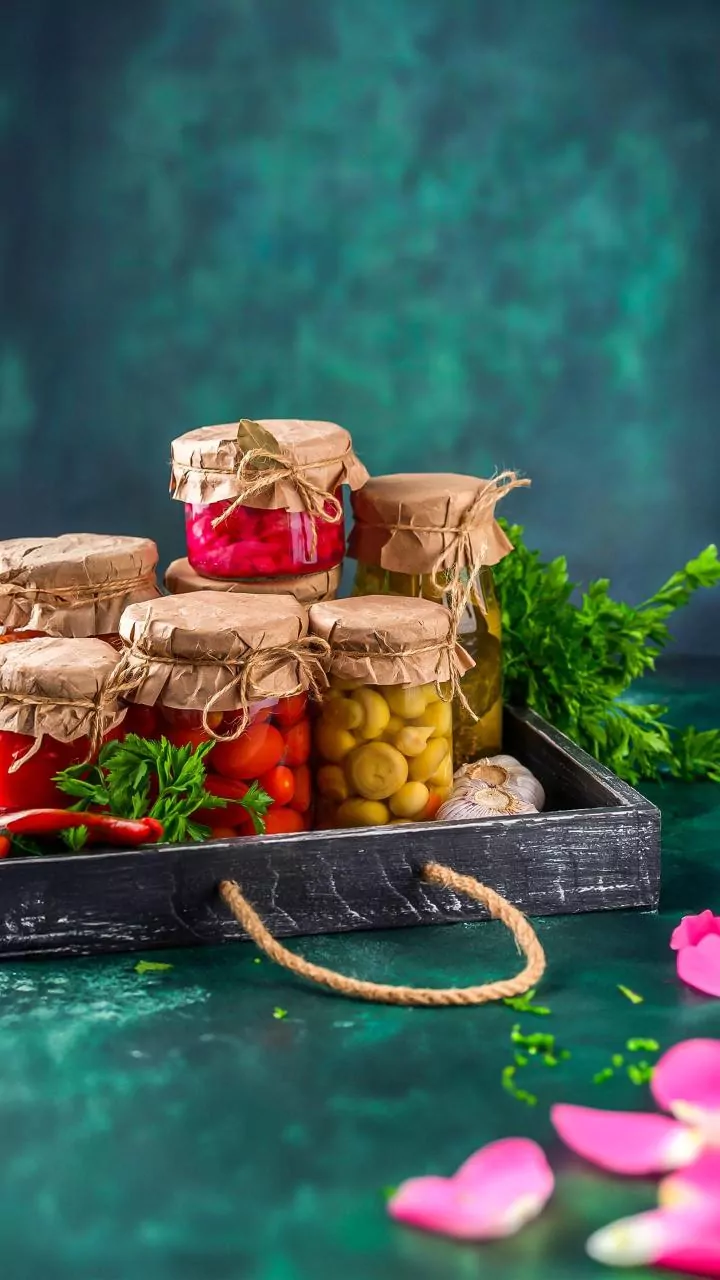
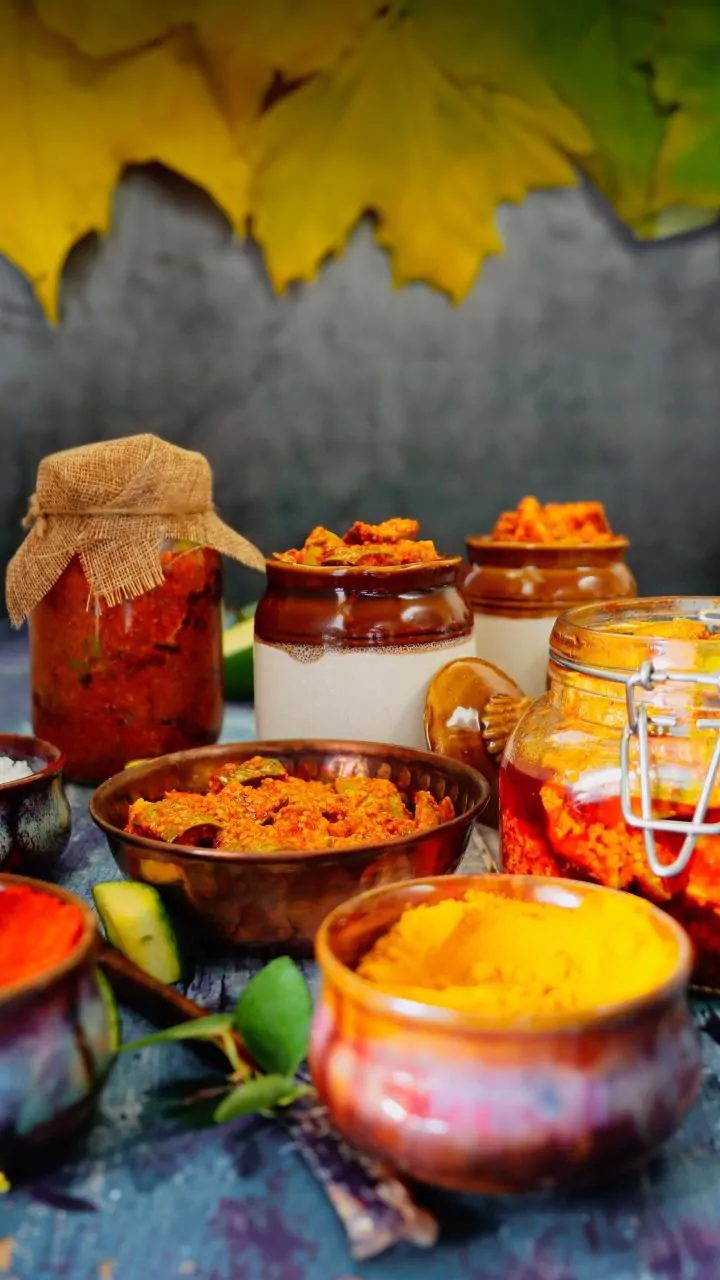
For generations, the art of pickling was a cornerstone of domestic life in India, a ritual led by mothers and grandmothers. It was a method of preservation born from necessity, ensuring seasonal produce like mangoes, lemons, and gooseberries could be enjoyed
year-round. These recipes, rarely written down, became treasured family heirlooms, passed from one generation to the next through observation and practice. Each jar held not just preserved fruit or vegetables, but a specific region's climatic signature, its unique spice culture, and a nostalgic taste of home. Today, as urban life gets busier, fewer households have the time for the patient process of sun-drying and curing, yet the craving for that authentic, preservative-free taste remains stronger than ever.
The Rise of the Rural Picklepreneur
What was once unpaid domestic labour is now the foundation of a powerful, women-led cottage industry. Across the country, from villages in Maharashtra to communities in Jharkhand and Bihar, women are transforming their inherited culinary skills into viable businesses. Often organised into Self-Help Groups (SHGs), these women are collectively managing production, packaging, and sales, turning traditional craft into a source of financial independence. The 'craft' is in the details: the use of locally sourced ingredients, sun-drying techniques, hand-ground spices, and recipes that don't rely on artificial preservatives. This ensures an authentic product that stands in stark contrast to mass-produced factory pickles.
From Village Kitchens to City Tables
The digital revolution has been a game-changer, closing the gap between rural producers and urban consumers. Online sales of pickles are growing exponentially, allowing small-scale artisans to bypass traditional retail challenges. Brands like 'JhaJi Store' from Bihar, which gained national recognition on Shark Tank India, and 'FarmDidi' in Maharashtra, have built successful D2C (direct-to-consumer) models. Using e-commerce platforms like Amazon, their own websites, and even WhatsApp, these entrepreneurs can now ship their small-batch, homemade products directly to customers in cities across India and even globally. This direct connection not only broadens their market but also allows them to tell the story behind their brand, creating a more personal bond with their buyers.
A Purchase with a Purpose
For the urban consumer, choosing a regional, handcrafted pickle is about more than just taste. It's a conscious choice to support authenticity and wellness. These pickles often come with a 'clean label', meaning they are free from chemical preservatives and additives that are common in mass-market alternatives. There is also a growing appreciation for the story behind the food. Knowing that a purchase supports women's livelihoods, empowers a rural community, and helps preserve a culinary tradition adds a layer of meaning to the transaction. It's a vote for a different kind of economy—one that is decentralised, rooted in community, and values heritage. In return, consumers get a product that tastes genuinely homemade, a flavour that many remember from their own childhoods.