





The Problem with Generic Labels
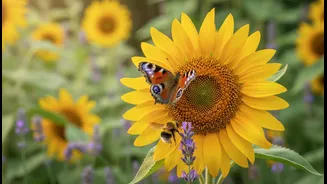
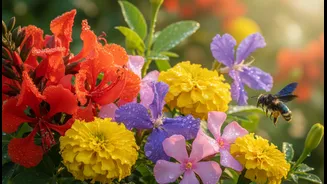
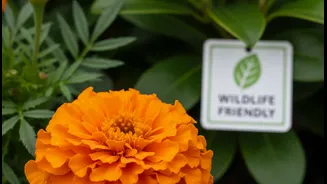
You’ve seen them: cheerful labels on potted plants featuring a bee or butterfly, promising to turn your balcony or garden into a pollinator paradise. While well-intentioned, these labels often lack standards or scientific backing. A flower that supports
pollinators in Europe or North America might be useless to species in India. Worse, some popular ornamental plants are treated with pesticides that can harm the very creatures they claim to attract. The term “wildlife friendly” is a marketing tool, not a scientific certification. It doesn’t account for the complex, co-evolved relationships between local plants and animals that have developed over millennia. This can lead gardeners to accidentally introduce plants that offer little nutritional value or, in some cases, become invasive threats.
Why Native Plants Are the True Heroes
Native plants are species that have grown naturally in a specific region, like India, for thousands of years without human introduction. They are the bedrock of local ecosystems. Plants like Neem, Jamun, and Palash (Flame of the Forest) are perfectly adapted to India's diverse climates and soils. This means they generally require less water, fertiliser, and pest control than non-native species. Most importantly, they provide the exact food, shelter, and breeding grounds that local wildlife needs to survive. Many Indian insects, including certain butterflies and bees, can only feed on specific native plants. By choosing native species, you are not just planting a flower; you are restoring a piece of a vital food web that supports everything from tiny insects to birds and small mammals.
The Hidden Dangers of Popular Ornamentals
Many beautiful and popular plants sold in nurseries across India are not native and can cause significant ecological harm. Lantana camara, with its colourful flower clusters, is a prime example. Introduced as an ornamental shrub, it has become one of India's most aggressive invasive species, forming dense thickets that crowd out native plants and degrade forest ecosystems. Other seemingly harmless plants like the Pink Morning Glory (Ipomoea carnea) and Yellow Shower Tree (Senna spectabilis) also spread rapidly, altering the natural landscape and reducing food sources for local wildlife. These invasive species can escape from gardens and establish themselves in the wild, displacing the native flora that entire ecosystems depend on.
How to Find Reliable Local Plant Guides
So, how do you find the right native plants for your area? The key is to look beyond the nursery label and consult local resources. India's vast geography means a plant native to the Western Ghats may not be suited for the arid plains of Rajasthan. Start by exploring websites of Indian conservation organisations, regional Forest Departments, and botanical gardens, which often publish lists of local flora. Online nurseries that specialise in Indian native plants can also be excellent resources for identifying species suitable for your specific climate zone. For those in the Western Ghats, tools like the 'PlantWise' app can help identify suitable native species for restoration projects. These guides provide the specific, place-based knowledge needed to make truly wildlife-friendly choices.
Becoming a Smarter Plant Shopper
Armed with local knowledge, you can approach nurseries with confidence. Don't be afraid to ask questions. Ask the staff, "Is this plant native to our region?" or "What specific local birds or insects does this plant support?" If they can't answer, it's a red flag. Cross-reference their suggestions with your local plant guide. Be wary of cultivated varieties, sometimes called 'nativars', which are versions of native plants bred for specific traits like double flowers. These modifications can sometimes make the nectar and pollen inaccessible to insects. Whenever possible, choose the true native species. By being a critical and informed consumer, you can vote with your wallet for genuine ecological value over simple marketing.