




The Concrete Jungle's Lingering Fever
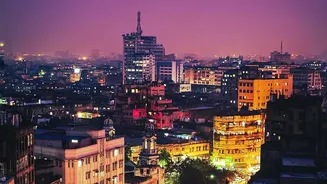
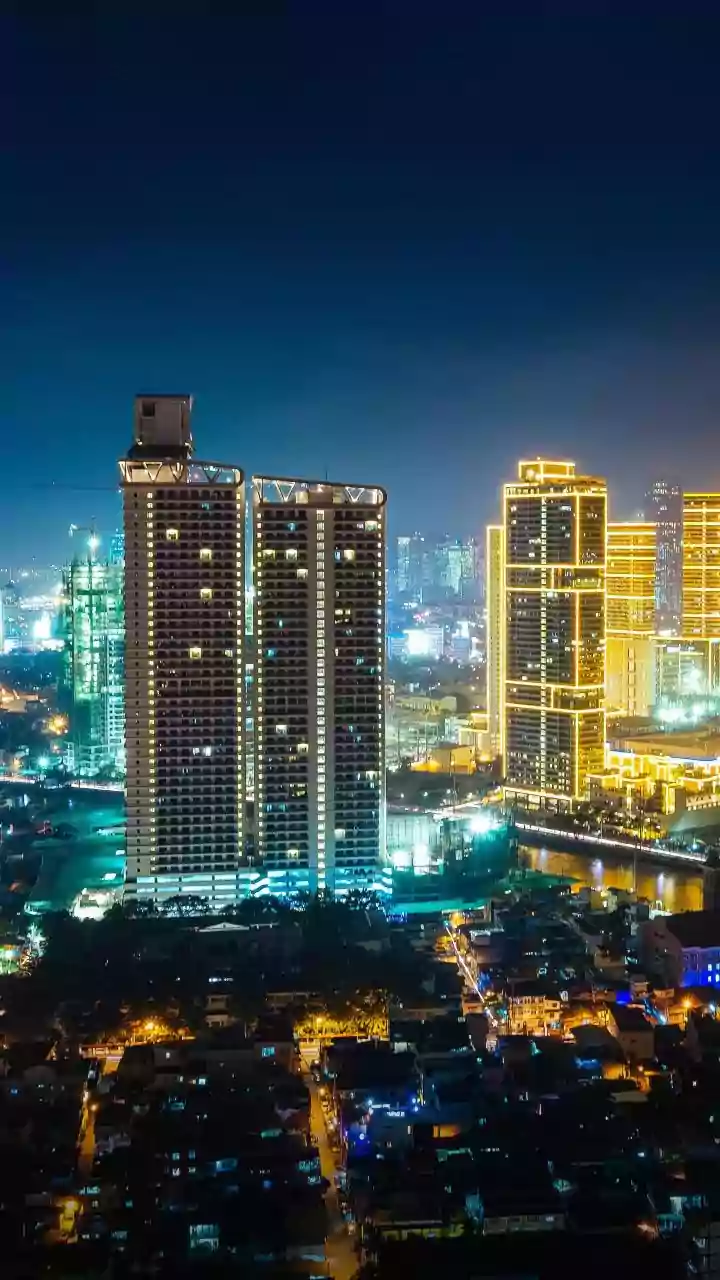
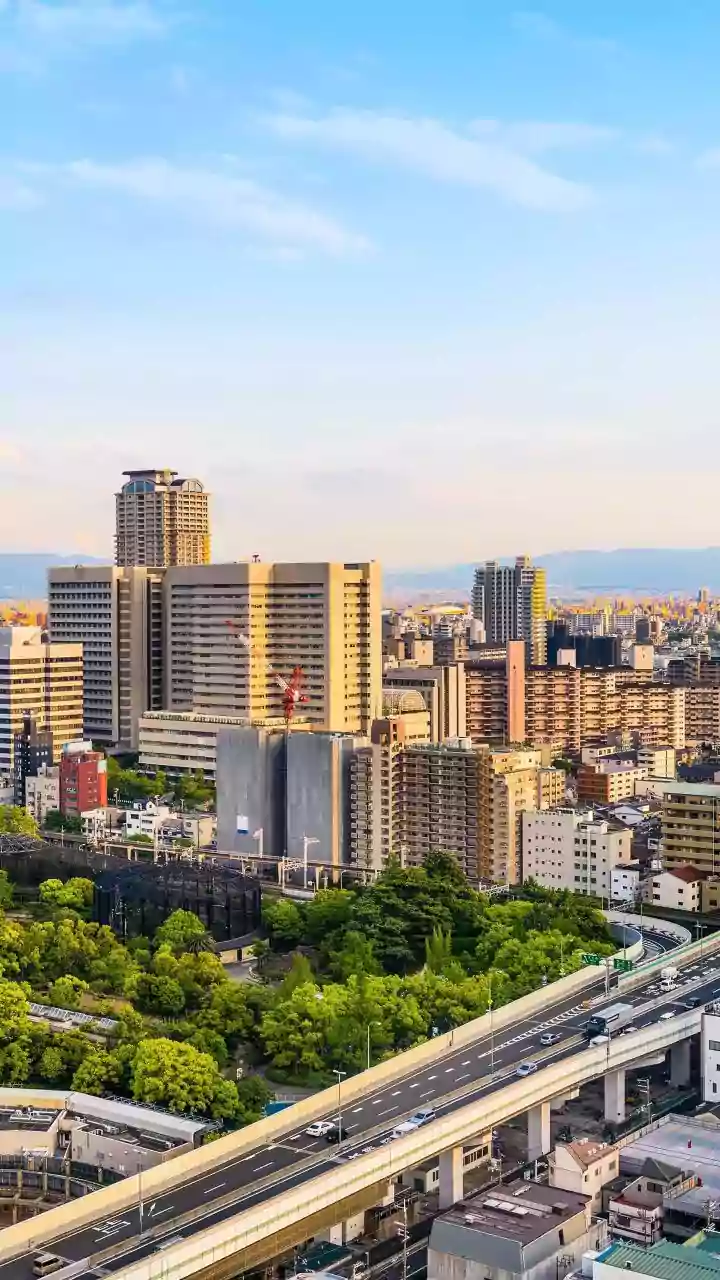
The Urban Heat Island (UHI) effect is what happens when cities become significantly warmer than their surrounding rural areas. Throughout the day, man-made materials like concrete, asphalt, and dark-coloured rooftops absorb and store huge amounts of solar
radiation. When the sun sets, a natural landscape cools down quickly, but this vast expanse of urban material begins to slowly release its stored heat back into the environment. This process keeps city temperatures elevated long into the night, sometimes by as much as 5 to 8 degrees Celsius. Compounding the issue is the lack of green spaces and water bodies, which provide natural cooling through shade and evapotranspiration, and the waste heat generated by vehicles, industries, and air conditioners.
Not Just a Megacity Problem Anymore
While much of the focus on UHI has been on megacities like Delhi and Mumbai, the threat is rapidly growing in India's secondary, or Tier-2 and Tier-3, cities. Places like Pune, Lucknow, Jaipur, and Coimbatore are experiencing unprecedented, often unplanned, urban expansion. This boom means more concrete, fewer trees, and shrinking lakes, creating the perfect conditions for a powerful heat island effect. Some studies show that urban areas in India are warming faster than their non-urban counterparts, a trend that is particularly pronounced in these rapidly developing hubs. As millions of people continue to move to these cities for opportunities, they are walking into a growing environmental and health challenge that operates silently through the night.
How Heat Hijacks Your Sleep
Our bodies are hardwired to sleep better in cooler conditions. To initiate and maintain deep, restorative sleep, your core body temperature needs to drop. High ambient nighttime temperatures directly interfere with this crucial thermoregulatory process. When your bedroom remains hot and stuffy, your body struggles to shed heat, leading to a cascade of sleep problems. Research consistently links heat exposure to difficulty falling asleep, more frequent awakenings, restlessness, and a significant reduction in REM and deep slow-wave sleep—the stages most critical for physical recovery and cognitive function. Even a modest increase in temperature can disrupt sleep, and over time, this chronic sleep loss can weaken the immune system and contribute to cardiovascular and mental health issues.
The Path to Cooler Nights
Tackling the urban heat island effect requires a conscious shift in urban planning and policy, especially in growing cities. Fortunately, proven solutions exist. Expanding 'blue-green infrastructure' is key; this involves planting more trees, creating parks, protecting and restoring water bodies like lakes and wetlands, and even installing green roofs and walls. These nature-based solutions provide shade and have a powerful natural cooling effect. Another effective strategy is promoting the use of 'cool materials'—reflective paints and surfaces for roofs and pavements that absorb less heat. Several Indian cities have begun preparing Heat Action Plans that include such measures, but wider implementation, particularly in secondary cities, is crucial to protect public health and reclaim thermal comfort.