








Understanding the Great Visa Rush
For the past few years, securing a Schengen visa appointment from India has felt like winning the lottery, and 2026 is no different. A massive post-pandemic travel boom, coupled with staff shortages at consulates, has created a significant bottleneck.
Application volumes are surging, with VFS Global reportedly receiving nearly 20,000 applications a day from India. During peak seasons, like the upcoming autumn period, wait times for an appointment can stretch from three to eight weeks, and sometimes even longer. The core issue is that while demand has soared, the capacity to process applications has not kept pace.
Rule Number One: Plan Way Ahead
The single most important strategy is to apply early. You can submit your Schengen visa application up to six months before your intended travel date. Given that the total process—from getting an appointment slot to the final visa decision—can take anywhere from eight to 14 weeks during peak times, booking well in advance is no longer a suggestion; it's a necessity. For an autumn trip in September or October, you should ideally start looking for appointments in March or April. Applying at least four to six weeks before your trip is the absolute minimum to avoid last-minute heartbreak.
Be Smart and Flexible with Your Destination
The rule is you must apply to the consulate of the country where you will spend the most time. If your stay is split equally, you apply at your first port of entry. However, some consulates are notoriously busier than others. Countries like France, Germany, and Italy often have the longest queues. If your itinerary is flexible, consider making your main destination a country with a reputation for faster processing. In 2026, countries like the Netherlands, Czech Republic, Norway, and Portugal have been reported to have quicker turnaround times. Some sources also suggest that Lithuania and Slovakia are good options for faster appointments and high approval rates. Applying to a less-crowded consulate can be a smart move, but ensure your travel itinerary genuinely reflects this to avoid rejection.
Mastering the VFS Appointment System
Getting a slot on the VFS Global website often requires persistence. New slots are frequently released overnight, so checking the portal early in the morning (around 6-7 AM) can be fruitful. Also, check for cancellations throughout the day, as slots can open up randomly. If you live in a major metro like Delhi or Mumbai, where waits are longest, consider applying from a smaller city like Kolkata or Hyderabad if the consulate's jurisdiction rules allow it. For example, you can apply for a German visa at any VFS centre in India, regardless of your residence.
Navigate Safely: Avoiding Visa Scams
The desperation for appointments has fueled a market for scams. Be wary of agents who 'guarantee' a visa or sell appointment slots for a high premium. Official bodies have warned that no agent can influence the outcome of a visa decision or the scheduling of appointments. EU reports have even highlighted issues with bot networks bulk-booking slots. To stay safe, only use official channels. Book your appointment directly on the VFS Global website or the official portal of the respective embassy. Never transfer money to personal bank accounts, and be suspicious of anyone demanding exorbitant fees for services that are officially free, like booking a standard appointment.
A Flawless Application is Non-Negotiable
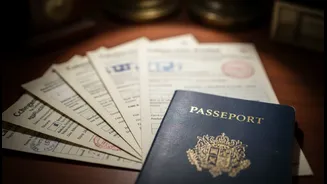
Once you have an appointment, ensure your application is perfect. A missing document or an inconsistent itinerary is a common reason for rejection. Key documents include a valid passport, a detailed cover letter, proof of flights and accommodation, travel insurance with at least €30,000 coverage, and proof of financial means. Ensure your bank statements show a stable, consistent balance rather than a sudden large deposit just before applying. Every detail matters, so double-check everything before your appointment.