





Meet the Enemies of Fresh Tea
Dry tea leaves might seem resilient, but they are highly sensitive to their environment. Four main elements are constantly working to degrade the quality of your precious collection: air, light, moisture, and odours. Air, specifically oxygen, causes oxidation,
a chemical process that continues even after the tea is processed. This softens the vibrant notes and makes the flavour flat. Light, especially direct sunlight, breaks down the aromatic compounds and catechins in the leaves, which are responsible for both flavour and health benefits. Moisture is perhaps the most dangerous enemy; it can cause leaves to become stale, clump together, and even develop mould. Finally, tea leaves are hygroscopic, meaning they readily absorb scents from their surroundings. Storing tea near your spice rack or coffee beans is a sure way to contaminate its delicate profile permanently.
The Airtight Jar: Your Tea's Best Guardian
To combat these flavour thieves, the solution is simple and effective: an airtight container. A truly airtight seal is your first and best line of defence. It drastically slows the oxidation process by limiting oxygen exposure, keeping the tea's intended flavour profile intact for much longer. It also creates a barrier against ambient moisture, which is especially important in humid Indian climates, like during the monsoon season. By choosing an opaque or non-transparent jar, you also shield the leaves from the damaging effects of light. An airtight container effectively neutralises three of the four enemies in one go, preserving the tea's colour, aroma, and taste as the maker intended.
Choosing the Right Container
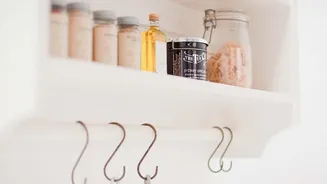
Not all containers are created equal. When selecting a jar, material and seal quality are paramount. Opaque ceramic canisters, especially those with a silicone gasket, are an excellent choice because they block light and provide a tight seal. Stainless steel tins are another popular option as they are durable, opaque, and don't impart any unwanted flavours. Many high-quality tea canisters feature a double-lid system—an outer lid and a snug inner lid—to provide maximum protection against air and odours. While clear glass jars might look beautiful on a kitchen counter, they should be avoided unless you plan to store them inside a dark, cool cupboard. The ideal storage location is a pantry or cabinet away from the stove, oven, or sink, where heat and steam can compromise the tea's integrity.
Common Mistakes to Avoid
Many well-intentioned tea lovers make simple storage mistakes. One of the most common is refrigerating or freezing opened tea. While it seems logical, refrigerators are high-humidity environments filled with strong food odours. When you take a cold container out, condensation can form on the leaves, introducing damaging moisture. Another error is keeping tea in its original paper or cardboard packaging once opened. These materials are not airtight and offer little protection against the elements. If the tea comes in a high-quality, resealable foil pouch, you can continue using it, but be sure to squeeze out all excess air before sealing. For best results, place that pouch inside another airtight tin for double protection.
Protecting India's Finest Teas
This level of care is especially important for India's world-renowned specialty teas. A first-flush Darjeeling, known for its delicate, floral, and muscatel notes, is particularly fragile. Its light oxidation and volatile aromatic compounds mean it can lose its signature character quickly without proper storage. Similarly, the bright, malty character of a single-estate Assam or the subtle, crisp notes of a Nilgiri winter harvest are qualities worth preserving. These teas are the result of specific terroir, climate, and expert craftsmanship. Storing them correctly is a mark of respect for the journey they took from the tea garden to your cup. An airtight jar ensures you experience the tea as it was truly meant to be tasted.