



More Than Just White Bread
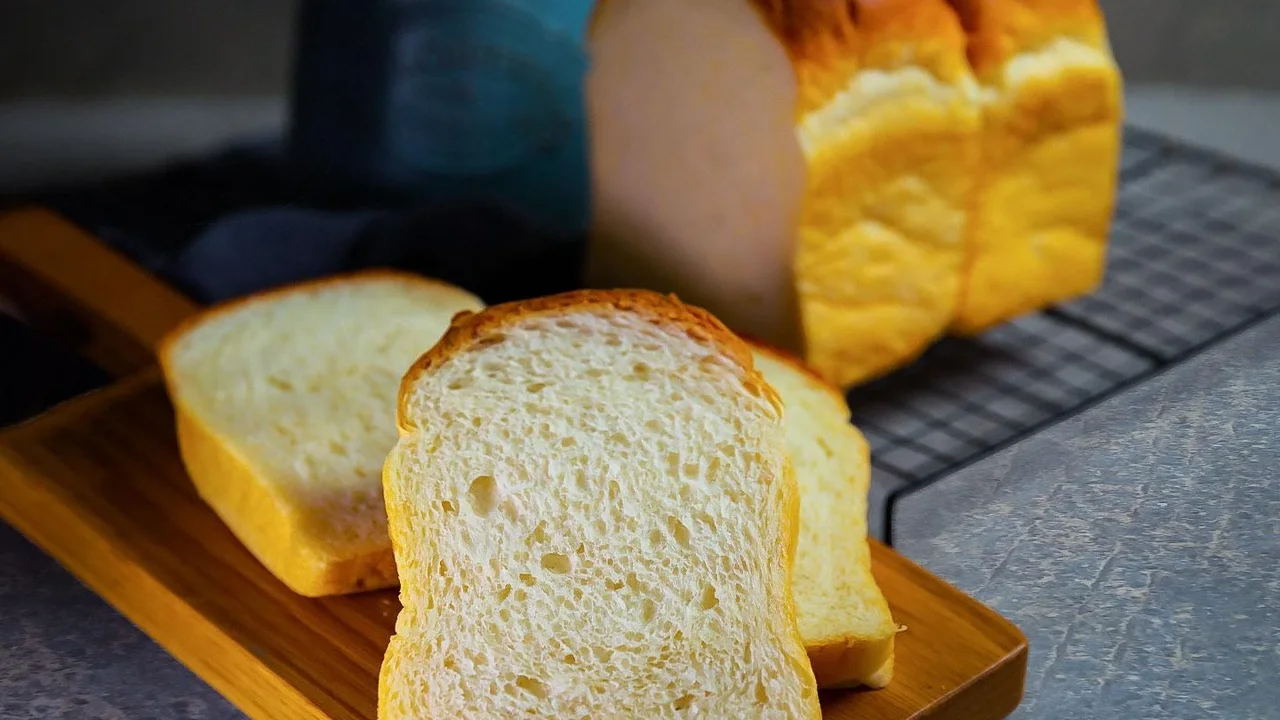
At first glance, shokupan might look like a simple loaf of white bread. But one touch or taste reveals it’s in a category of its own. Known for its incredibly soft, moist, and shreddable crumb, it has a signature springy, almost bouncy texture. The flavour
is subtly rich and milky, with a gentle sweetness that makes it versatile enough for both sweet and savoury applications. It is a staple in Japan, where its name translates to “eating bread,” signifying its role as an everyday essential. Unlike the crusty sourdoughs or baguettes of the West, shokupan is prized for its ethereal interior and is often baked in a lidded Pullman pan to create a perfect, crustless square shape.
The Secret in the Method
The magic behind shokupan’s distinctive texture lies in a special technique known as either tangzhong (a Chinese method) or yudane (a Japanese method). Both involve creating a roux by cooking a small portion of the recipe's flour and liquid (water or milk) into a thick paste before adding it to the main dough. This process gelatinises the starches in the flour, allowing them to absorb and hold onto significantly more moisture. The result is a dough that bakes into a loaf with an exceptionally soft crumb and a longer shelf life, as the trapped moisture keeps it from going stale as quickly as conventional breads.
A History of Adaptation
While bread isn't a traditional part of ancient Japanese cuisine, it became widespread after World War II, partly due to wheat shipments from the United States. Japanese bakers, however, didn't just replicate Western loaves; they adapted them to local tastes, which favoured softer textures and a hint of sweetness. Over the decades, shokupan evolved into the beloved staple it is today. Its popularity first spread across East and Southeast Asia, becoming a cornerstone of bakeries in many neighbouring countries. This earlier wave of regional popularity set the stage for the global phenomenon we are witnessing now.
The Current Global Craze
The phrase “going global again” rings true as shokupan is currently experiencing a massive surge in popularity across Europe and North America. This trend is visible in the opening of dedicated shokupan bakeries in cities like Paris, Amsterdam, Milan, and Berkeley, California. In the UK, major supermarkets like Waitrose have reported a massive 617% spike in online searches for “Japanese milk buns,” with sales jumping 27% in just one month. Chefs at fine dining restaurants and cult-favourite burger joints alike are also adopting milk bread for its versatility and superior texture.
Why Now? Comfort, Clicks, and Craft
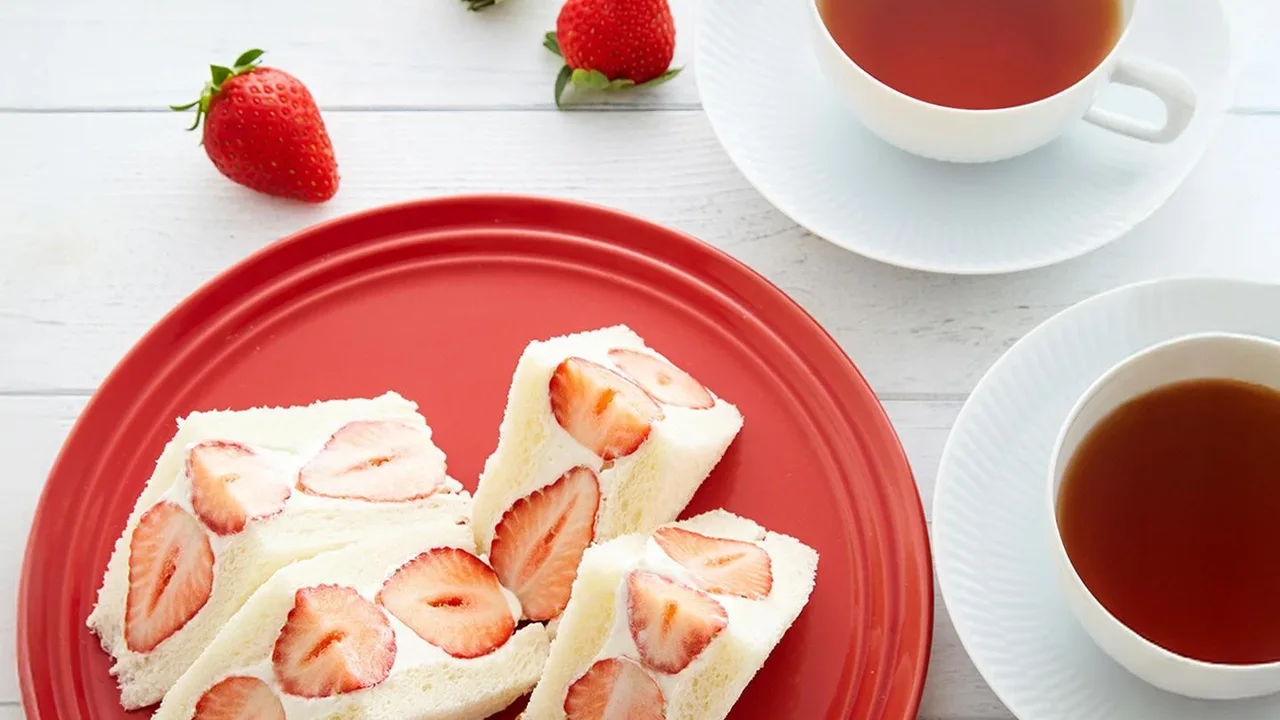
Several factors are fuelling this modern milk bread moment. On social media, especially TikTok, the bread's photogenic nature is a huge draw. Videos showcasing its glistening top and cloud-like interior being pulled apart have garnered millions of views. This visual appeal is amplified in creations like the highly Instagrammable fruit sando—sandwiches filled with whipped cream and perfect rows of fresh fruit. Beyond its online fame, there is a growing appreciation for artisanal foods and unique culinary techniques. The story of tangzhong and yudane adds a layer of craft that appeals to food lovers. This, combined with a broader craving for comfort foods, has created the perfect recipe for shokupan's worldwide success.