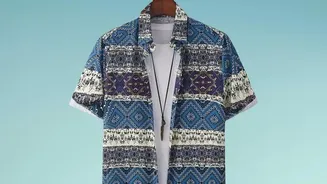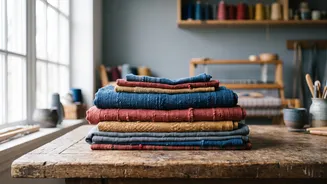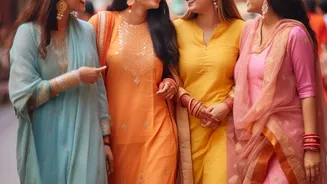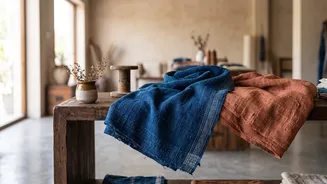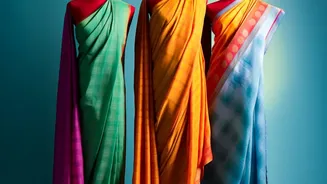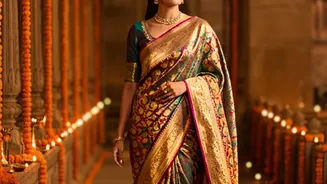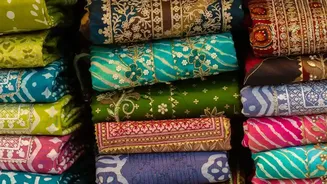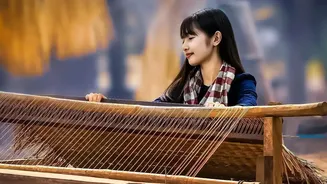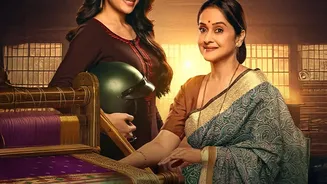



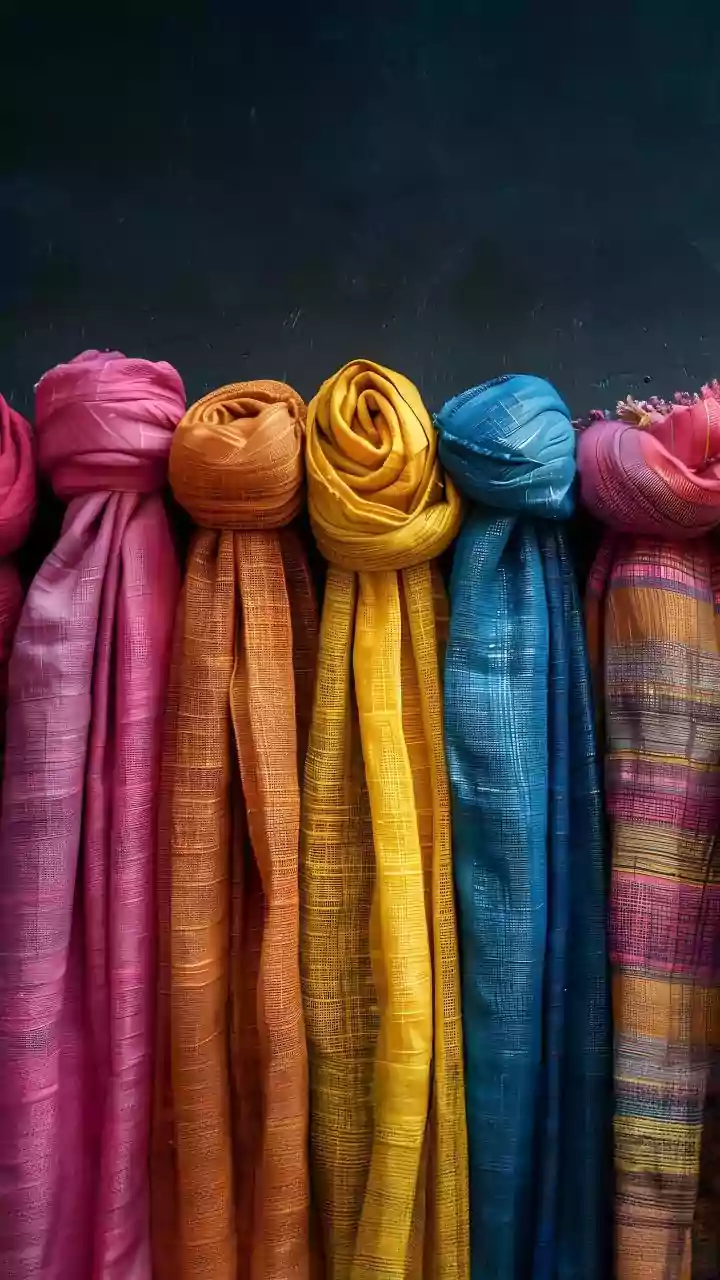
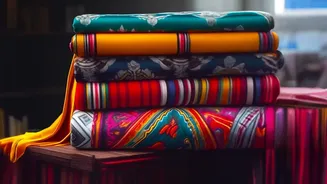
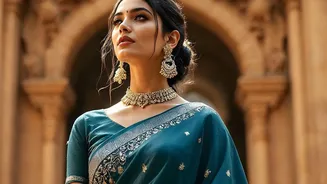
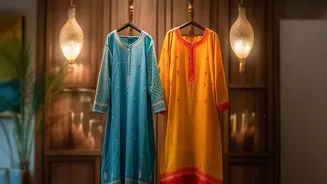
Take a peek into the modern Indian closet. Past the fast-fashion impulse buys, you'll find a growing collection of handloom treasures. This isn't just a trend; it's a conscious shift among young Indians towards fabrics that tell a story.
A Stand Against Fast Fashion
For years, urban
Indian fashion was dominated by global trends and mass-produced apparel. But a quiet revolution is taking place. A generation that grew up with digital feeds and fleeting microtrends is now experiencing 'aesthetic fatigue'. They are tired of clothes that look identical, feel temporary, and have little to no backstory. In response, many are turning to handloom as a meaningful alternative. This shift is less about nostalgia and more about a genuine appreciation for quality and individuality. Choosing a handwoven garment over a factory-made one is a vote for durability and craftsmanship, moving away from a culture of disposable fashion. It’s a deliberate choice to invest in pieces with character and history, that are designed to last for years rather than a single season.
The Comfort of Conscious Choices
Sustainability is a major driver behind handloom's resurgence. Young consumers are increasingly aware of the fashion industry's environmental footprint, from its massive water consumption to the chemical pollution caused by synthetic dyes. The handloom sector, rooted in ancient, eco-friendly practices, offers a compelling solution. Hand-operated looms have a minimal carbon footprint, and the process often utilizes natural fibers like cotton and silk, along with plant-based dyes. This aligns perfectly with a growing desire for ethical consumption. Younger generations want to know the story behind their clothes, ensuring they support fair wages and processes that respect the planet. By choosing handloom, they are not just buying a product; they are contributing to a more sustainable fashion ecosystem and supporting artisan livelihoods.
Engineered for the Indian Climate
Beyond the ethics and aesthetics, there's a profoundly practical reason for handloom's popularity: breathability. India’s hot and humid climate demands fabrics that allow air to circulate, keeping the body cool and comfortable. Handloom textiles, particularly cottons like Khadi and Kota Doria, are perfectly suited for this. Unlike synthetic materials such as polyester, which trap heat and moisture, the natural fibers and manual weaving process of handloom create a fabric that absorbs sweat and allows the skin to breathe. This makes them ideal for all-day wear, reducing skin irritation and the sticky discomfort common in tropical weather. A handloom garment becomes a comfortable 'second skin', designed by tradition to work with the body, not against it.
A Weave of Identity and Modernity
For many young Indians, wearing handloom is a way to connect with their heritage in a modern context. These textiles are no longer seen as something reserved for older generations or formal occasions. Instead, they have become a canvas for self-expression. Social media is filled with creators styling handwoven sarees with sneakers, pairing traditional kurtas with jeans, or layering dupattas over graphic tees. Fabrics like the lightweight Chanderi or the geometrically patterned Ajrakh are being fashioned into everything from oversized shirts to contemporary dresses. This fusion of traditional craft with modern silhouettes allows young people to express their cultural identity while creating a unique personal style that stands out. Each handwoven piece has subtle variations, making it feel personal and distinct from mass-produced items.
The Digital Marketplace
The revival of handloom would be incomplete without the influence of social media. Platforms like Instagram have become virtual marketplaces, connecting artisans and handloom brands directly with a new generation of consumers. Through visual storytelling, weavers can share the intricate processes behind their craft, from dyeing the yarn to working the loom. This transparency builds a connection and sense of trust that fast fashion cannot replicate. It allows small artisan groups to reach a global audience, bypassing intermediaries and fostering a community around their work. For young shoppers, this digital access makes it easier than ever to discover, appreciate, and purchase authentic, handcrafted textiles, turning a heritage craft into a thriving part of the contemporary fashion conversation.