










Rethinking the Monthly Budget
The definition of basic pet care has expanded dramatically. A decade ago, monthly expenses were largely limited to food. Today, the budget for a single dog can range from ₹4,000 to over ₹15,000, excluding any emergencies. Food remains the biggest expense,
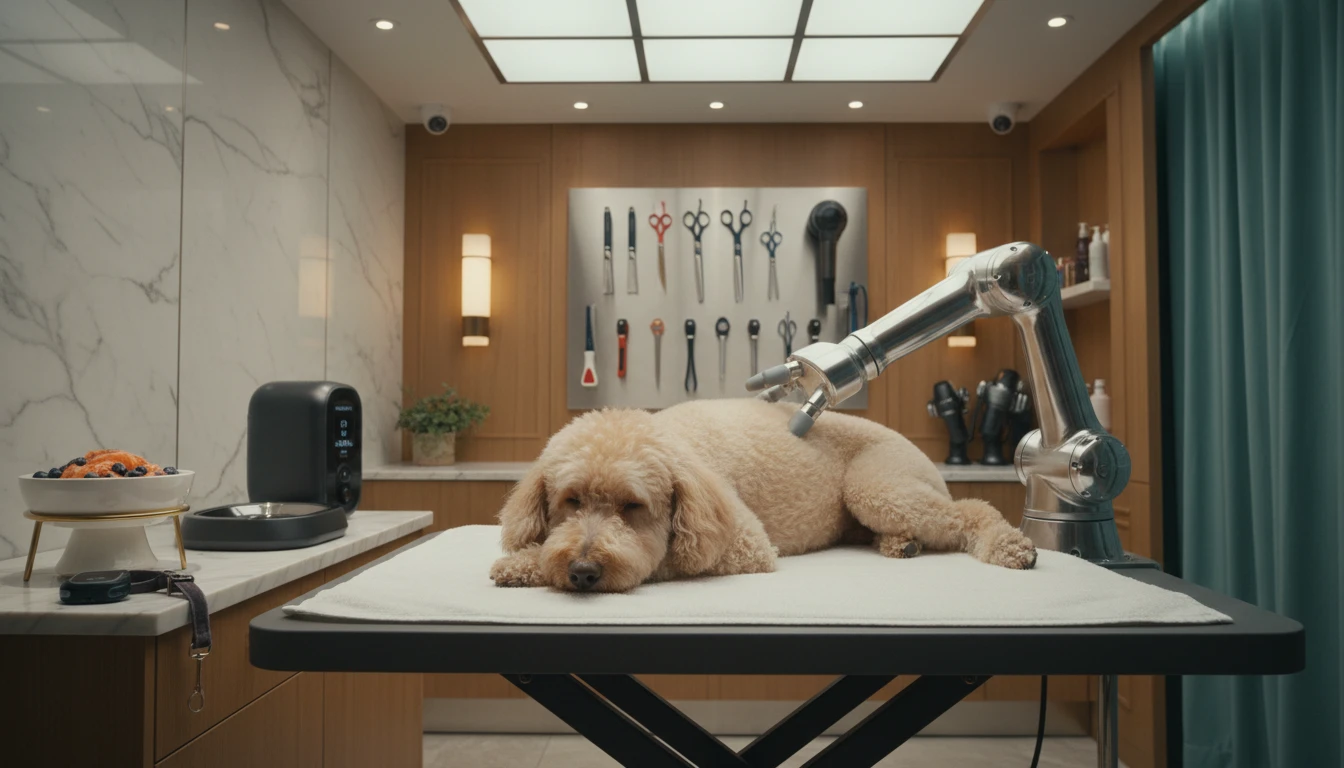
but the market is now dominated by premium, grain-free, and even freshly cooked meal subscriptions. Beyond diet, modern pet parenting involves costs for regular professional grooming, which can be ₹800 to ₹2,000 for long-haired breeds, training classes costing up to ₹15,000, and a constant supply of wellness supplements and enrichment toys. Recent data shows pet care orders grew 41% year-over-year, with spending on treats and premium products surging, especially in cities like Bengaluru. This trend shows that discretionary spending on pets is becoming a significant, recurring part of the household budget.
The New Cost of Care and Insurance
Veterinary care has seen one of the most significant evolutions. Routine consultations now average between ₹300 and ₹1500. Advanced diagnostics like X-rays or blood tests can add thousands more to a single visit. Specialized corporate vet hospitals offering 24/7 emergency services, ICUs, and oncologists are becoming common in metro areas, raising the standard of care but also the price. Consequently, pet insurance is shifting from a novelty to a necessity. With emergency surgeries costing anywhere from ₹50,000 to over ₹2,00,000, insurance provides a crucial financial safety net. Plans with monthly premiums between ₹900 and ₹1,500 can offer substantial coverage, ensuring that pet parents don't have to choose between their savings and life-saving treatment for their companion.
Planning for the Unforeseen
The high cost of advanced medical care necessitates dedicated emergency planning. A single emergency visit for an issue like gastroenteritis can cost between ₹15,000 and ₹25,000 overnight. This has led financial advisors and veteran pet parents to recommend establishing a separate emergency fund for pets, distinct from personal savings. Beyond finances, logistical planning is key. It means knowing the location of the nearest 24-hour animal hospital with surgical capabilities and having a plan for transportation. Some pet parents even use pet-friendly taxi services for vet visits, which can be more expensive than regular rides but are built to accommodate animals safely. This proactive approach to emergencies marks a significant departure from the reactive care of the past.
Travel in the Age of Pet Pampering
The days of leaving a pet with neighbours are fading for many. The premium pet economy has ushered in an era of pet-friendly travel. India now has over 500 hotels, resorts, and homestays that welcome pets, sometimes with dedicated pet zones and special menus. Destinations like Goa, Coorg, Manali, and Rishikesh are popular for 'pawcations' due to their open spaces and pet-friendly accommodations. Airlines such as Air India, Vistara, and Akasa Air allow pets to travel in the cabin or cargo, although it requires careful planning with health certificates and booking. For those not taking their pets along, premium boarding facilities that offer climate-controlled rooms, webcams, and curated activities have become the new standard, ensuring peace of mind for the travelling pet parent.