



From Sugarcane Waste to Your Dinner Table
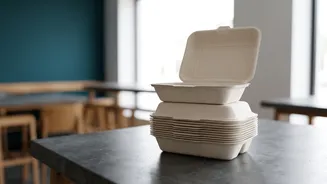
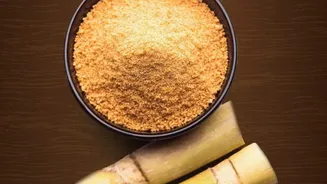
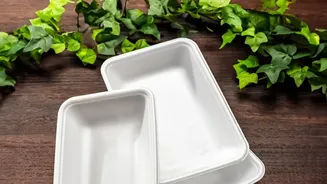
The hero of this story is bagasse, the dry, fibrous residue left over after juice is extracted from sugarcane. For decades, this byproduct was either burned for energy in sugar mills or simply discarded. Today, it's being repurposed into durable, eco-friendly
containers, plates, and bowls. India, as the world's second-largest sugarcane producer, generates an enormous amount of this raw material annually—roughly 100 to 135 million tonnes. This abundance gives India a unique structural advantage, creating a massive, locally sourced supply chain for a sustainable alternative to plastic. The process is straightforward: the fibrous bagasse is pulped, molded into shape, and then dried, creating sturdy, food-safe products without the need for petroleum-based plastics.
The Clear Environmental Advantage
The contrast between bagasse and plastic is stark. A plastic container can take over 400 years to decompose, often ending up in landfills or oceans where it leaches harmful chemicals. In contrast, bagasse packaging is fully compostable, breaking down into nutrient-rich soil within 60 to 90 days under composting conditions. This creates a circular system where waste returns to the earth. Furthermore, the lifecycle of bagasse products generates significantly lower greenhouse gas emissions—up to 50% less than equivalent plastic packaging. This is due to its origin as a renewable plant-based resource and the fact that it repurposes agricultural waste that might otherwise be burned.
Why the Shift is Accelerating Now
Several factors are driving the rapid adoption of bagasse containers. Growing consumer awareness about plastic pollution is a major force, with more customers preferring brands that demonstrate environmental responsibility. This is coupled with stricter government regulations. India's ban on many single-use plastic items since 2022 and tightening rules under the Plastic Waste Management (Amendment) Rules 2026 have made finding compliant alternatives a necessity for restaurants and food services. Major food delivery platforms are also playing a crucial role. Zomato, for instance, launched initiatives like 'PackSwitch', a platform to help restaurants find and connect with suppliers of sustainable packaging, and its 'Plastic-Free Future' program, which highlights eco-friendly restaurants on its app.
Overcoming the Practical Hurdles
Despite its benefits, the transition isn't without challenges. The primary hurdle has been cost. Historically, alternatives like bagasse were significantly more expensive than plastic. However, as production scales up, this price gap is narrowing. For businesses with bulk orders, the premium for switching to bagasse can be as low as 10-15% compared to plastic. Another challenge is performance and consistency. Early paper-based alternatives often failed with hot, oily Indian dishes. Modern bagasse containers, however, are specifically designed to be heat-resistant, microwave-safe, and leak-proof, making them suitable for everything from curries to biryanis. Supply chain logistics, such as the seasonal availability of sugarcane, also present hurdles, but manufacturers are overcoming this through better inventory planning.
A Sweeter Future for Food Packaging
The move towards bagasse is more than just an eco-friendly trend; it represents a significant business opportunity and a step towards a circular economy. The market for sugarcane-based packaging in India is projected to grow substantially, with some forecasts predicting a compound annual growth rate of over 10%. Companies that specialize in bagasse products are already supplying major food chains like Haldiram's and Chai Point, proving the model's viability at scale. By turning a waste product from one of the country's largest agricultural industries into a valuable resource, bagasse packaging supports farmers, reduces pollution, and offers consumers a guilt-free convenience. This shift indicates a broader change in the food industry, where sustainability is no longer an afterthought but a core component of business strategy.