





From Niche Market to Growing Movement
Not long ago, sustainable fashion in India was often dismissed as expensive, difficult to find, and perhaps a bit too plain for the mainstream palate. It was a niche corner of the market, appreciated by a dedicated few. That picture is rapidly changing.
Today, conscious consumerism is a powerful force influencing how clothes are made and sold across the country. The Indian sustainable fashion market was valued at over $1.3 billion in 2023 and is projected to grow at a compound annual growth rate (CAGR) of over 10% through 2028. This isn't just a fleeting trend; it's a significant economic and cultural shift, moving from the fringes to the center of the conversation.
The Conscious Consumer
So, who is driving this change? A major catalyst is the Indian consumer, particularly young, urban millennials and Gen Z. This demographic, more connected and environmentally aware than previous generations, is actively questioning the ethics of fast fashion. Surveys show a remarkable shift in attitude, with one report indicating that as many as 85% of Indian consumers consider sustainability when making fashion purchases. For this new generation of shoppers, a garment's story—who made it, what it's made from, and its impact on the planet—is becoming just as important as its style. They are increasingly willing to invest in quality pieces that align with their values.
A Return to Roots
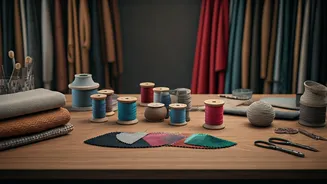
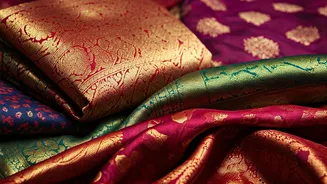
What makes sustainable fashion in India particularly unique is its deep connection to the country's rich textile heritage. This movement isn't just about importing new eco-friendly technologies; it's about reviving and celebrating age-old traditions. Handloom weaving, natural dyeing, block printing, and intricate embroidery are inherently sustainable practices that use minimal energy and resources compared to industrial manufacturing. Brands are now looking inward, partnering with artisan clusters across the country to create modern apparel that carries the weight of cultural legacy. This not only preserves invaluable skills but also provides sustainable livelihoods for millions of artisans, who form the backbone of India's non-farm rural economy.
Brands Leading the Charge
As consumer demand has grown, a vibrant ecosystem of sustainable brands has emerged. Some, like Fabindia, have long championed artisan-made goods, connecting rural producers to urban markets. Others are newer entrants, born from a desire to combat the wastefulness of the fashion industry. Brands like No Nasties focus on 100% organic, fair trade cotton, while Doodlage has pioneered the art of upcycling, creating unique collections from factory waste. Even some of India's most prominent designers, such as Anita Dongre with her Grassroot label, have made sustainability and artisan empowerment a core part of their mission, proving that ethical fashion can also be high fashion.
The Hurdles on the Path to Mainstream
Despite the incredible momentum, the path to making sustainable fashion the norm is not without its challenges. The primary obstacle remains the price. Ethically sourced materials and fair wages inevitably increase production costs, making it difficult to compete with the rock-bottom prices of fast fashion. Consumer awareness, while growing in metropolitan areas, is still low in many parts of the country. Furthermore, the industry faces infrastructural gaps, including a lack of sophisticated recycling technologies and inefficient waste management systems, that hinder the development of a truly circular fashion economy.