


Choose and Prep Your Containers
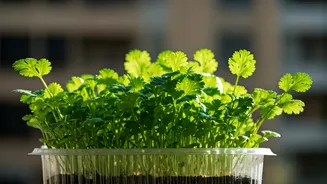
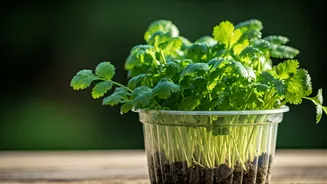
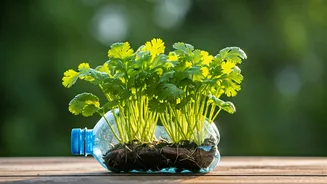
Almost any plastic container can find a new life as a planter. Large soft drink bottles, milk jugs, and take-away containers are all excellent candidates. The most important step is preparation. First, wash the containers thoroughly with soap and water
to remove any residue. Next, and this is crucial for healthy plants, you must create drainage holes. Using a heated nail, a drill, or a sharp craft knife, carefully make several small holes in the bottom of your container. This prevents water from logging the soil, which can lead to root rot, a common issue for coriander.
Create the Ideal Soil Mix
Coriander isn't overly fussy, but it thrives in loose, well-draining soil. You can buy a quality potting mix, often labelled for herbs or vegetables, or create your own. A great DIY mix consists of regular garden soil, compost, and a bit of sand. The compost provides essential nutrients for lush growth, while the sand improves drainage. Fill your prepared containers with this mix, leaving about an inch of space from the top. Avoid using heavy clay soil, as it can compact and restrict root growth.
Sowing Your Coriander Seeds
For better germination, gently crush the whole coriander seeds (which are technically fruits containing two seeds) into halves before planting. You don't need to be too precise; simply scatter the seeds evenly over the surface of the soil. Cover them with a thin layer of soil, about a quarter-inch deep. Water gently with a spray bottle or a light shower setting to avoid dislodging the seeds. Keep the soil consistently moist but not waterlogged until the seedlings appear, which typically takes about one to two weeks.
Sunlight, Water, and Care
Place your coriander planters in a spot that receives about four to six hours of sunlight daily. In the intense Indian summer, morning sun is preferable to the harsh afternoon heat, which can cause the plants to 'bolt'—flower prematurely and stop producing leaves. Water your plants whenever the top inch of soil feels dry. Container plants can dry out quickly, so you may need to water them more frequently in hot weather. Consistent moisture is key to preventing stress, which is another major cause of bolting.
Harvesting for a Continuous Supply
This is the secret to making your harvest feel 'unlimited'. Once the plants are about six inches tall, you can begin harvesting. Instead of pulling up the whole plant, use the 'cut-and-come-again' method. Snip the outer, larger leaves with scissors, leaving the smaller, inner leaves to continue growing. By regularly harvesting in this way, you encourage the plant to become bushier and focus its energy on producing more foliage. Avoid taking more than one-third of the plant at a time.
Succession Planting for an Endless Cycle
While the cut-and-come-again method extends the life of each plant, coriander is an annual and will eventually bolt. To ensure a truly continuous supply, practice succession planting. Every two to three weeks, sow a new container with coriander seeds. By the time your first batch of plants starts to slow down or flower, your next batch will be ready for its first harvest. This simple cycle of planting ensures you have a steady stream of fresh dhaniya for your kitchen year-round.