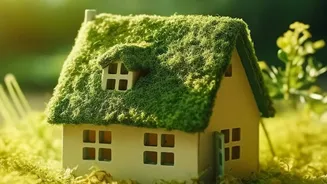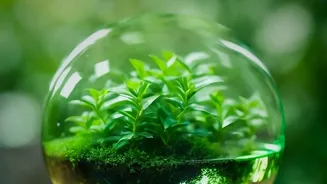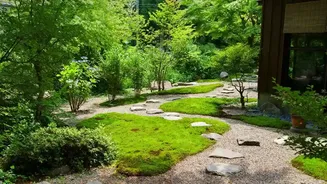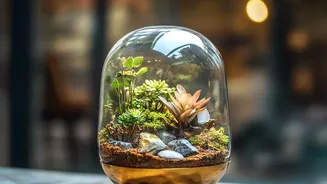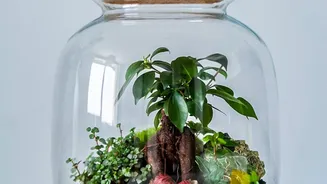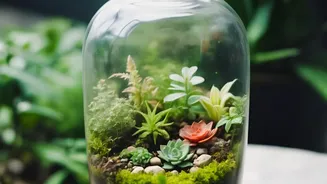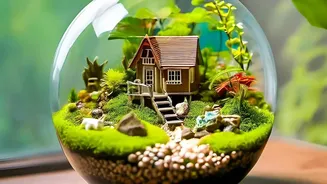


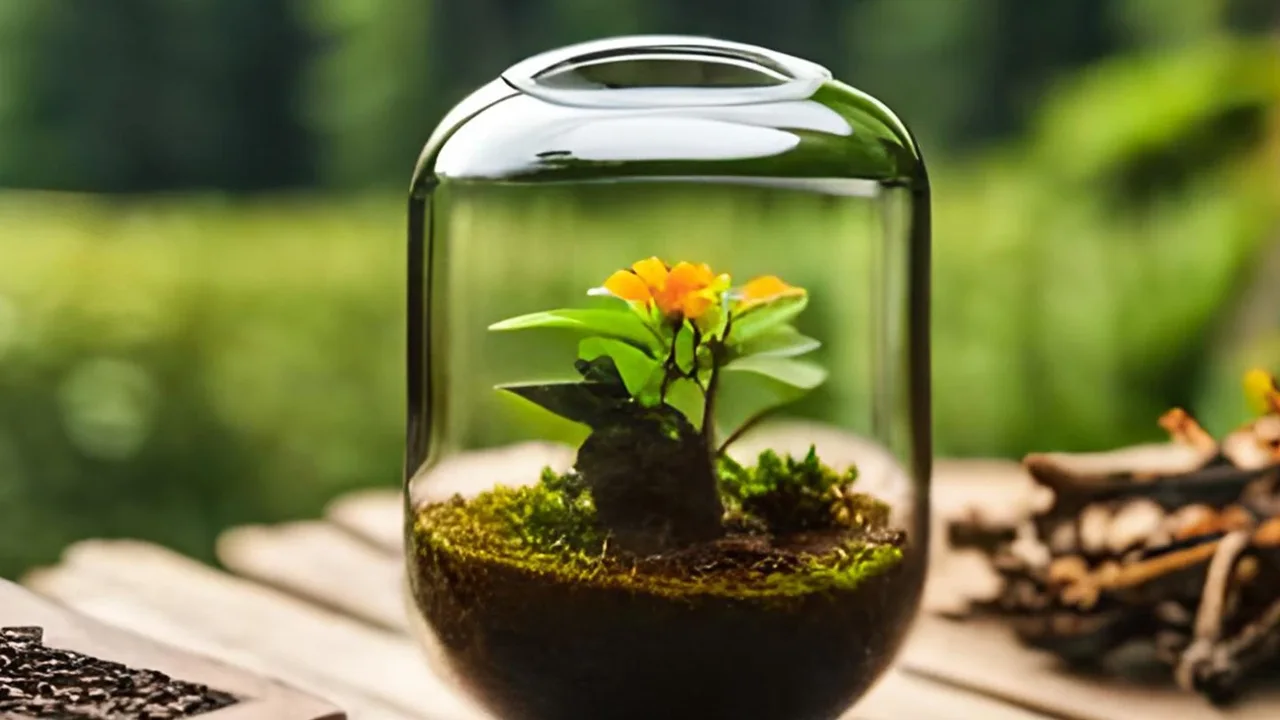
The calm, miniature world of an indoor moss garden brings a unique touch of nature into any home. These vibrant green landscapes are surprisingly low-maintenance, but their success isn't luck. It all begins with the very first choice you make.
Clumps or Carpets? Understanding Moss Types
Before you
pick a single green strand, it’s helpful to know that mosses generally fall into two main growth categories: acrocarpous and pleurocarpous. Acrocarpous mosses, like Cushion Moss (Leucobryum glaucum) and Mood Moss (Dicranum scoparium), grow upright in clumps and mounds. They are perfect for creating texture, depth, and the look of rolling hills in your miniature landscape. Pleurocarpous mosses, like Sheet Moss (Hypnum cupressiforme) and Fern Moss (Thuidium delicatulum), grow sideways, forming flat, creeping carpets. These are ideal for covering the 'ground' in your garden and creating a unified, lush base. Knowing the difference helps you plan your design—do you want soft mounds, a flat lawn, or a mixture of both?
Match the Moss to Your Available Light
Moss generally thrives in shady, damp environments, making it well-suited for indoor life. However, 'low light' isn't a one-size-fits-all term. Most indoor mosses prefer bright, indirect light; direct sunlight can quickly scorch and dry them out. A spot near a north-facing window or a few feet from a brighter window is often perfect. For areas with lower light, Sheet Moss is quite adaptable. For spots that receive medium, indirect light, Cushion Moss and Mood Moss are excellent choices. Peacock Moss (Selaginella uncinata), known for its iridescent blue-green foliage, also does well in low to medium light. Observe the light in your chosen spot throughout the day before deciding which moss will be happiest there.
Open Air or a Closed Terrarium?
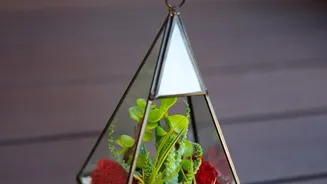
Your choice of container is the next critical step, as it dictates the humidity level. Closed containers, like jars with lids, trap moisture and create a high-humidity environment. This is ideal for humidity-loving species like Pillow Moss, Fern Moss, and Java Moss. Condensation on the glass is a sign that the humidity is just right. Open containers, like shallow dishes or bowls, allow for more airflow but dry out much faster. These require more frequent misting to keep the moss healthy. Mosses like Mood Moss can tolerate drier spells, making them a slightly better fit for open designs, but all live moss will need consistent moisture. For a truly low-maintenance option in an open container, you might consider preserved moss, which requires no watering at all.
How to Assemble Your Miniature World
Once you have your moss and container, assembly is straightforward. Start with a drainage layer of pebbles or gravel at the bottom, about 2–3 cm deep. This prevents water from pooling and causing rot. Next, add a thin layer of activated charcoal, which helps to filter the water and keep the environment fresh, preventing mould and odours. On top of the charcoal, add a substrate layer. Mosses don't have deep roots, so a 3–5 cm layer of a peat–free compost mix or coco coir is sufficient to hold moisture and anchor the moss. Finally, press your moss pieces firmly onto the substrate, ensuring good contact. You can add decorative stones or small pieces of driftwood to complete your landscape.
Simple Care for Lasting Lushness
Caring for your moss garden is simple. The golden rule is to keep it moist, but not waterlogged. Instead of pouring water, mist your moss every few days with filtered, distilled, or rainwater, as the chlorine in tap water can be harmful over time. If your moss starts to look pale or feel dry, it may need more frequent misting. If you notice mold or a constant heavy fog in a closed terrarium, it's likely too wet. Simply remove the lid for a few hours to allow for better airflow and reduce misting frequency. Periodically remove any fallen leaves or debris to keep the garden clean and prevent decay.