




The Soul of the Waterways
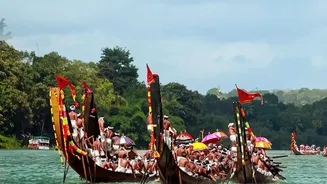
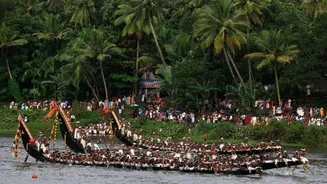
The Chundan Vallam, or snake boat, is more than just a vessel; it is the pride of a village and a living piece of history. These impressive boats, often stretching over 100 feet, were originally designed as swift war canoes for feudal kings navigating
the region's intricate network of canals. Today, their purpose has shifted from conflict to competition, but they remain a powerful symbol of community identity and maritime heritage. Each boat is revered, treated not as an object but as a sacred entity, often with a spiritual connection to local temples and deities. The preparation for the racing season, known as Vallam Kali, is therefore not mere maintenance but a deeply significant cultural and spiritual event.
The Anointing Ceremony
Weeks before the first race, the snake boat is brought ashore for its annual restoration. This isn't a quiet, solitary task but a communal ceremony filled with ritual and reverence. Artisans, who have inherited their skills through generations, lead the process. The air fills with the rhythm of traditional chants, or Vanchipattu, which will later guide the rowers' synchronized strokes during the race. The entire village participates, reinforcing a sense of unity and collective responsibility. This ritual is a way of awakening the spirit of the boat, transforming it from a dormant vessel into a contender ready for the fierce competition that lies ahead.
A Secret Recipe for Speed
The centerpiece of the restoration is the application of special herbal oils. The exact recipe is a closely guarded secret, passed down through families and unique to each village. The concoction is believed to be a mixture of fish oil, carbon from coconut shells, eggs, and various plant-based resins and oils. This mixture serves a dual purpose. On a practical level, it waterproofs the wooden hull and creates a smooth, glistening surface that reduces friction and allows the boat to glide faster through the water. On a symbolic level, this anointing is seen as feeding and strengthening the boat, imbuing it with the power needed to win.
More Than Just a Race
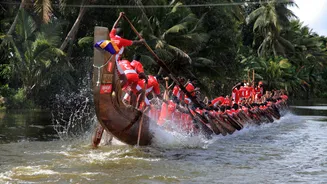
This elaborate preparation underscores that Vallam Kali is about more than just winning a trophy. It is a celebration of heritage, teamwork, and faith. The snake boats are often called 'Palliyodams,' meaning they belong to the Lord, and their journey is steeped in religious undertones. The pre-race ceremonies involve blessings and offerings, connecting the team and the vessel to a divine purpose. The intense training, where over a hundred oarsmen learn to row in perfect, powerful harmony, forges an unbreakable bond. Victory brings immense glory to the village, a prize far more valuable than any cash award.
From Ritual to Roaring Crowds
Once the oils have cured and the boat gleams under the sun, it is ready. The quiet, methodical ceremony gives way to the explosive energy of race day, most famously at the Nehru Trophy Boat Race on Punnamada Lake. As thousands of spectators cheer from the banks, the snake boats surge forward, their hundred oars moving as one. That breathtaking display of speed, power, and synchronicity is the culmination of the quiet, devoted work of the artisans. It is a powerful reminder that in Kerala's backwaters, a race is never just a sport; it is the spectacular finale of a story that begins with reverence, ritual, and the careful anointing of a serpent made of wood.