






Your New Kitchen Companion
For generations, Indian cooking has been a beautiful blend of tradition, intuition, and what we call 'andaaz'—estimation. But modern life, with its busy schedules and specific health needs, sometimes requires a more precise approach. This is where AI
steps in, not as a robot to replace the cook, but as a virtual sous-chef. AI-powered apps and websites can access vast databases of recipes and understand the complex relationships between ingredients, cooking techniques, and flavours. Think of it as a super-knowledgeable friend who has memorised thousands of cookbooks and can instantly give you the perfect suggestion for your specific situation.
The Magic of Smart Substitutions
One of the most powerful ways AI is helping in the kitchen is by handling ingredient substitutions. We've all been there: halfway through preparing a dish only to realise you're missing a key masala or the main vegetable. Instead of panicking or making a last-minute trip to the store, AI tools can suggest viable alternatives. Platforms like CookMithra and VegAI allow you to input the ingredients you have, and they generate a recipe for you. If you have cauliflower but the recipe asks for potatoes, an AI can not only suggest the swap but also advise adjusting the cooking time or the spice level to maintain the dish's integrity. This capability is especially useful in the diverse landscape of Indian cuisine, where regional variations of a single dish can be plentiful.
Cooking for Health and Specific Diets
Catering to different dietary needs within a family can be a significant challenge. One person might be diabetic, another might have a gluten intolerance, and a third might be trying a vegan diet. AI is exceptionally good at managing these complexities. You can instruct an AI recipe generator to create a week's worth of low-glycemic North Indian dinners or a high-protein, vegan version of a Chettinad curry. Apps like Kitchen Saathi can provide personalised recommendations based on health conditions, helping users make smarter choices without sacrificing taste. This moves beyond simple recipe generation and into the realm of personalised nutrition, making it easier for people to manage their health through their diet.
Saving Time and Reducing Food Waste
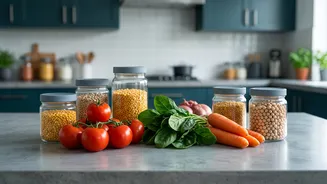
Another common kitchen dilemma is figuring out what to do with leftover ingredients. A handful of spinach, a small bowl of dal, and half an onion—what can you make with that? AI-powered tools excel at this 'fridge-emptying' challenge. By telling the app what you have, it can generate creative recipes to use up those odds and ends, significantly reducing food waste and saving money. Furthermore, for those short on time, AI can be a lifesaver. You can ask for recipes that take 15 minutes or less, or find a quicker way to prepare a traditionally slow-cooked dish. This efficiency is a huge benefit for busy urban households trying to balance work, family, and the desire for fresh, home-cooked meals.
The Human Touch Remains Key
While AI is a powerful new tool, it's not without its limitations. Some experts note that AI can sometimes miss the deep cultural nuances and historical context of regional Indian recipes. It may generate a technically correct recipe that lacks the soul or the specific technique passed down through generations. The true magic happens when a home cook uses AI as a brainstorming partner—a source of inspiration and a problem-solver. The final dish will always benefit from the human touch: the personal adjustment of spices, the memory of a grandmother's cooking, and the joy of feeding loved ones. AI provides the science and the data; the cook provides the art and the heart.