
The Heartbeat of Krishna's Story
To understand the magnetic pull of Mathura and Vrindavan, one must first understand their significance in Lord Krishna's life. Mathura is revered as the very birthplace of Krishna. It is here, in a prison cell, that he was born to Devaki and Vasudeva.
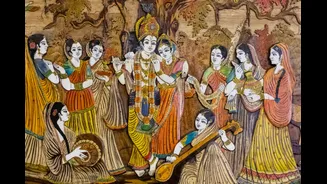
Just a few kilometres away lies Vrindavan, the enchanting town where Krishna spent his playful childhood and divine youth. This is the land where he performed his famous 'Raas Leelas' (divine dances) with the gopis, stole butter, and charmed everyone with his flute. Celebrating Janmashtami in the Braj region is not just a festival; it's a pilgrimage to the literal ground where these divine stories unfolded, allowing devotees to feel a direct and powerful connection to the events.
The Midnight Spectacle in Mathura
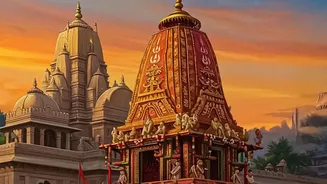
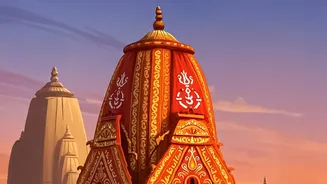
The epicenter of the celebration is the Shri Krishna Janmabhoomi temple complex in Mathura, believed to be built on the exact spot of Krishna's birth. As Janmashtami approaches, the temple and the entire city are adorned with flowers and lights. The culmination of the festival happens at the stroke of midnight, the moment of Krishna's birth. Inside the temple's sanctum, known as the 'Garbha Griha', a grand 'Abhishek' (ritualistic bathing) of the infant Krishna idol is performed with milk, curd, honey, and ghee. The air reverberates with the sound of conch shells, ringing bells, and chants of 'Jai Kanhaiya Lal Ki' as lakhs of devotees, who have been fasting and waiting for hours, join in the spiritual awakening.
Vrindavan's Devotional Extravaganza
While Mathura focuses on the birth, Vrindavan immerses visitors in the joy of Krishna's life. The celebrations here often begin ten days prior to the festival. Temples like Banke Bihari, ISKCON, and Prem Mandir become hives of activity, each with unique decorations and rituals. A key tradition is the 'Jhulan Yatra', where idols of Radha and Krishna are placed on beautifully decorated swings and lovingly swayed by devotees. The streets come alive with 'Raas Leela' performances—vibrant dance-dramas that reenact episodes from Krishna's life, drawing audiences into the divine play. The entire town is engulfed in a continuous stream of 'bhajans' (devotional songs), creating an atmosphere of pure bliss.
A Festival of Culture and Community
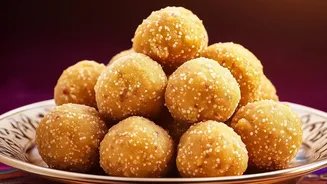
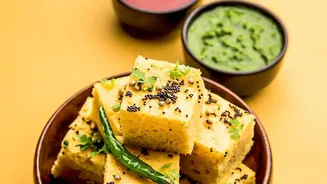
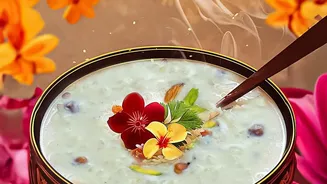
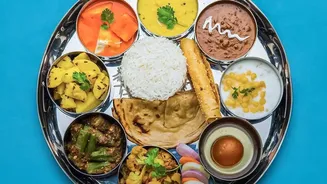
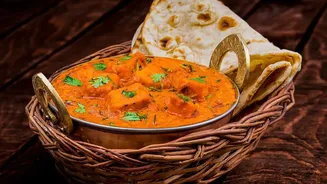
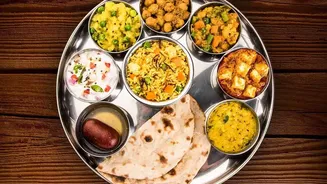
Beyond the core religious rituals, Janmashtami in this region is a feast for the senses and a celebration of community. One of the most energetic events is the 'Dahi Handi', where groups of young men form human pyramids to break a pot of curd hung high above the streets, mimicking Krishna's mischievous butter-stealing antics. The day after Janmashtami is celebrated as 'Nandotsav', marking the joyous celebration Nanda, Krishna's foster father, held after his birth. For travellers, the experience is not just spiritual but also cultural. The markets brim with festive sweets, traditional attire, flutes, and peacock feathers, while the air carries the aroma of local Braj cuisine. This blend of profound faith, living tradition, and joyful spectacle is what makes the journey to Mathura and Vrindavan an unforgettable one.