
The Enduring Allure of the Co-ord Set
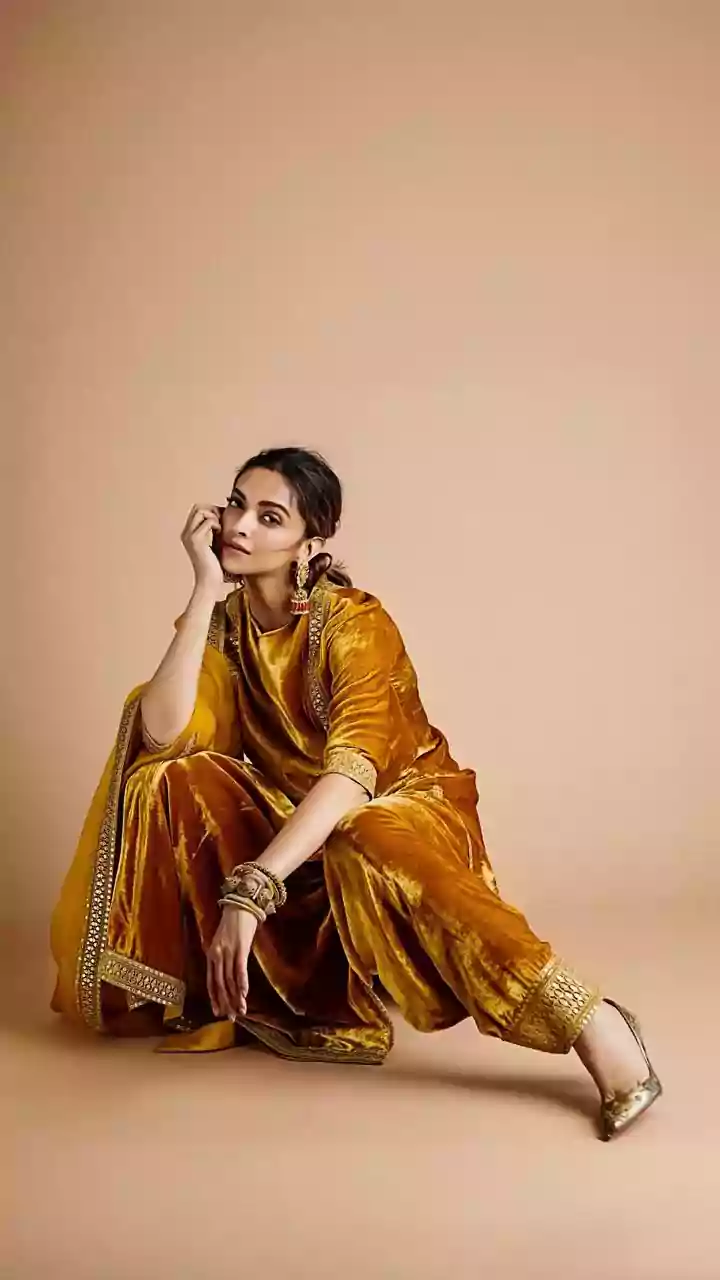
The coordinated set, or co-ord, has cemented its place as a modern wardrobe essential. Its appeal lies in its effortless polish; it delivers a complete, put-together look with minimal fuss. For festive occasions, a co-ord set strikes the perfect balance
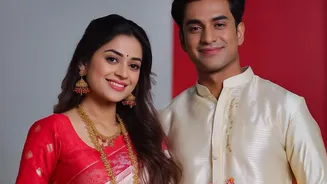
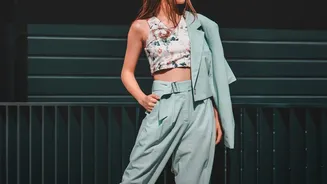
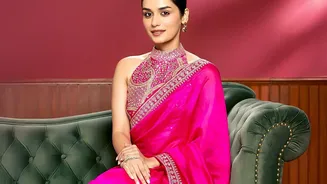
between traditional elegance and contemporary style. No longer limited to western wear, ethnic co-ords featuring crop tops with palazzos, or short kurtas with flared pants, are becoming a go-to choice for young Indians. This format offers versatility that a standard lehenga or anarkali might not—pieces can be mixed and matched with other items, extending their life well beyond a single event.
From Family Heirloom to High Fashion
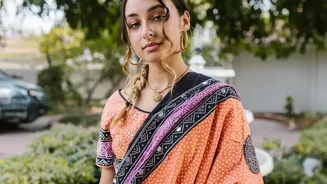
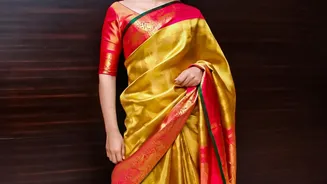
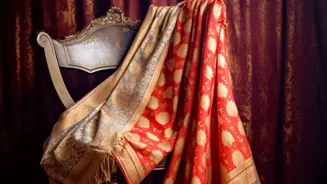
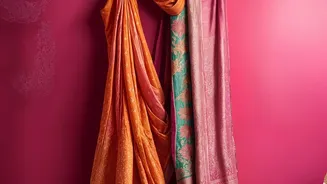
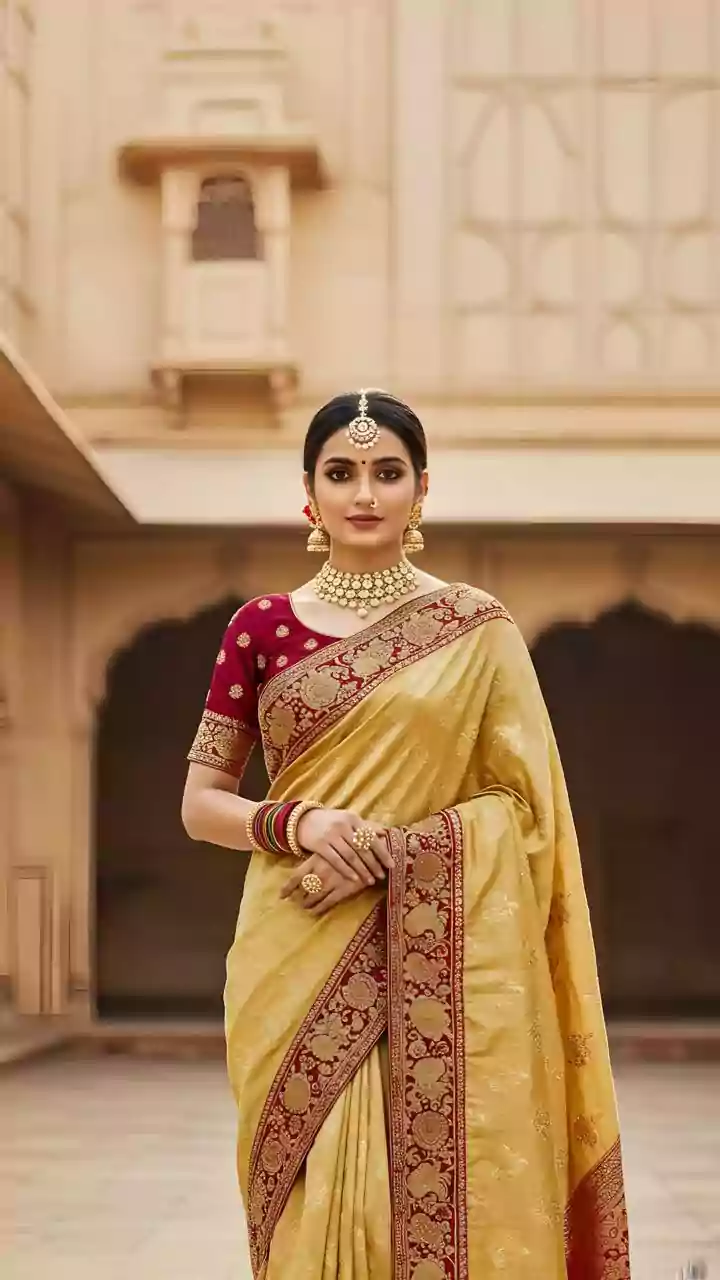
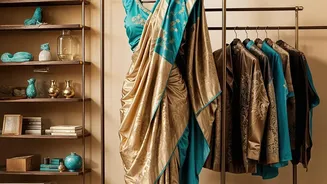
The real magic of this trend lies in its source material: the vintage silk saree. Many of these sarees, whether they are rich Kanjeevarams, lustrous Banarasis, or delicate Chanderis, are often packed away, deemed too old-fashioned or heavy for modern tastes. By redesigning them, young fashion enthusiasts are not just creating a new garment; they are breathing new life into a piece of their family's history. Each thread carries memories, and upcycling a mother’s or grandmother’s saree into a stylish outfit is a deeply personal act. It’s a way to honour heritage while expressing individuality, turning a forgotten textile into a conversation starter.
A Powerful Statement of Sustainability
This trend is about more than just aesthetics; it's a direct response to the environmental impact of fast fashion. For India's Gen Z, sustainability is not just a buzzword but a core value that influences their purchasing decisions. They are increasingly aware of the fashion industry's waste problem and are actively seeking alternatives. Choosing to upcycle a pre-existing garment instead of buying something new is a conscious act of reducing consumption and textile waste. It champions a circular fashion model, where clothes are cherished, reused, and reimagined, directly challenging the throwaway culture that has dominated the industry for years. This makes wearing an upcycled saree co-ord set a badge of honour, signifying a commitment to the planet.
Your Sari, Your Unique Style
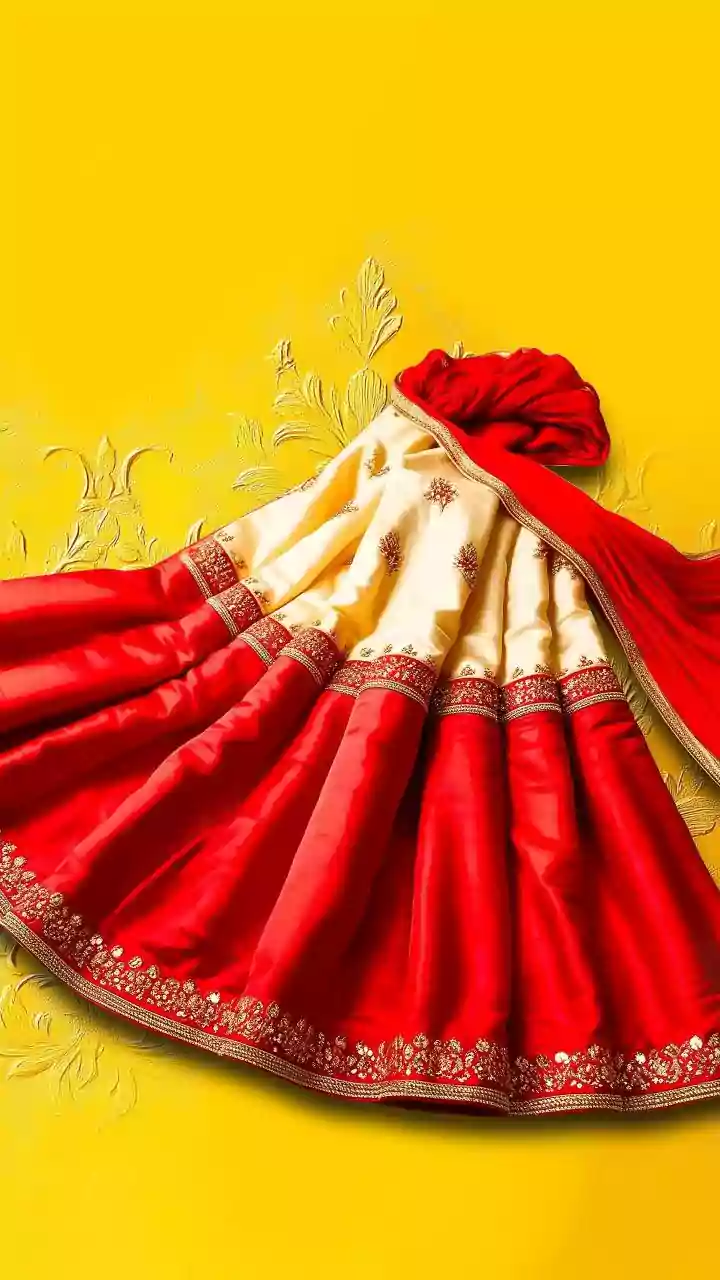
Perhaps the most compelling aspect of this movement is the unparalleled level of personalisation it offers. In a world of mass-produced fashion, transforming a saree creates a truly one-of-a-kind outfit. The designer is you (or your trusted tailor). You decide where the intricate pallu will be featured—perhaps as the front panel of a top or the flare of a pant. The unique border might become the detail on a sleeve or the hem of a crop top. This process allows for complete creative control, resulting in a garment that fits perfectly and reflects a personal style story. It's a departure from simply following trends and a move towards creating something with meaning and character.
How to Get Started
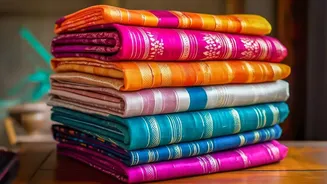
Joining this sustainable trend is easier than it looks. The first step is to raid your family's collection of old sarees—with permission, of course! Look for fabrics that are still in good condition. Silks, georgettes, and crepes work beautifully for co-ord sets, offering a great fall and structure. Many local tailors and boutique designers now specialise in upcycling projects and can offer guidance on the best silhouette for your chosen saree, whether it's a sharara set, a crop top and skirt, or a pant and jacket combo. For the DIY-inclined, numerous online tutorials provide step-by-step instructions on how to cut and sew your own creation.