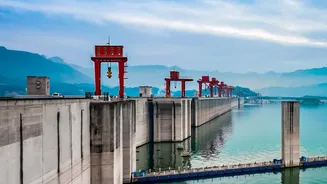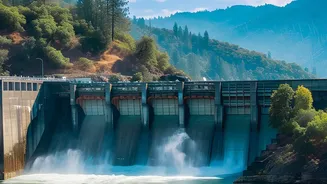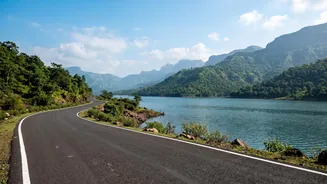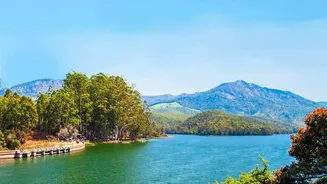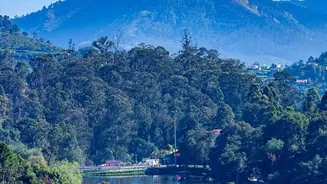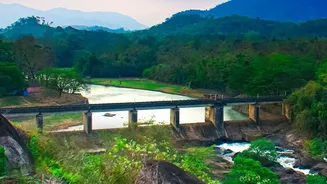




The idea is intoxicating: a weekend drive to a massive dam, with misty hills and serene backwaters. But the reality of visiting Maharashtra's popular dams can involve more than just pretty views. Here’s a realistic look at what to expect.
Before You Hit The Road
A successful
dam-side trip is all about managing expectations. The monsoon months (July to September) offer the most dramatic scenery, with lush greenery and overflowing spillways. However, this is also peak season, meaning massive crowds, traffic jams, and higher prices at resorts. The post-monsoon winter months (October to February) provide pleasant weather and clearer skies, making it ideal for photography and picnics without the intense rush. Regardless of when you go, start early. Aim to reach your destination by 9 AM to beat the weekend crowds that flock from Mumbai and Pune. Pack essentials like water, snacks, a first-aid kit, and a portable phone charger. Many dam areas have limited facilities, and you don't want to be caught unprepared. Finally, be aware that many of these are active reservoirs supplying drinking water, so access to the water itself may be restricted for safety.
Pawna Lake: The Campsite Dream vs. Reality
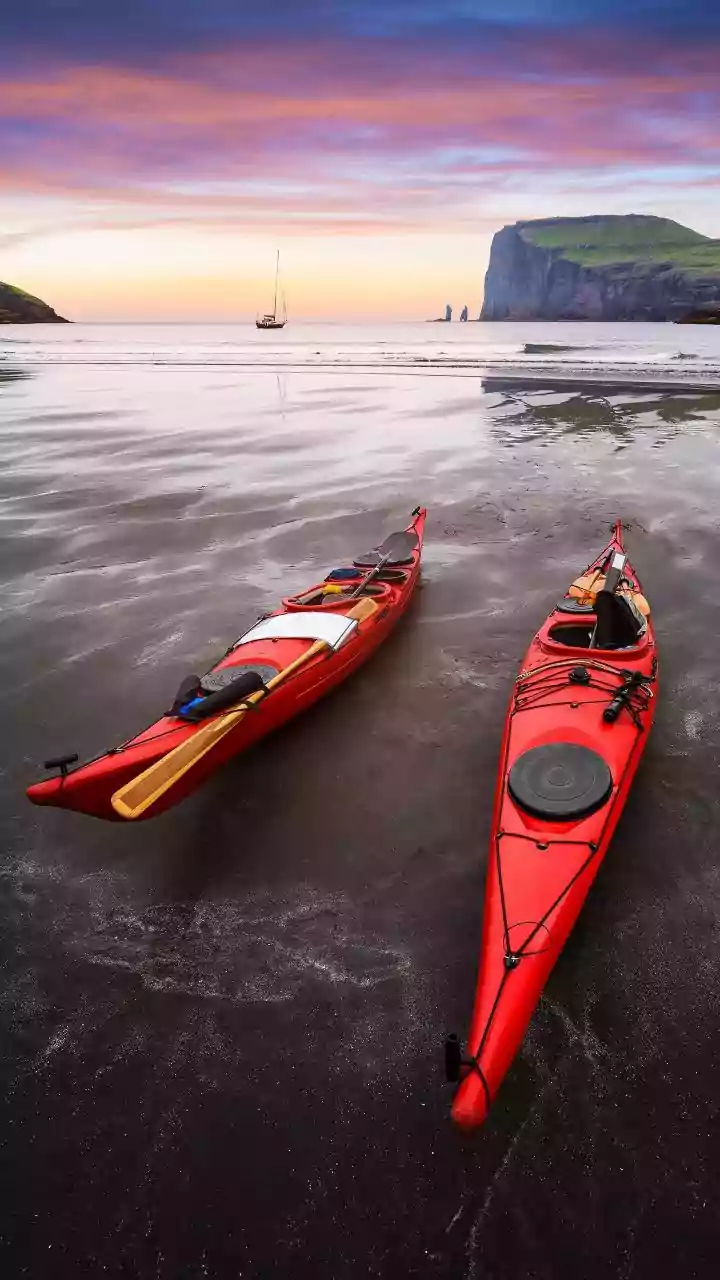
The promise of Pawna Lake is lakeside camping under the stars, just a short drive from Lonavala. It’s a popular spot for kayaking, barbecues, and bonfires. The reality, however, can be a mixed bag. With over 70 campsites now operating, the quality varies wildly. While some are well-managed, others are little more than tents pitched on farmland with questionable hygiene and facilities. Noise is a common complaint, with multiple campsites blasting music and some groups partying late into the night. The final stretch of road to many campsites can be narrow and poorly maintained. To have a good experience, book through a reputable organiser, check recent reviews, and if you're a couple or family, look for sites that have dedicated quiet zones.
Bhandardara: The Rustic Retreat
Nestled in the Sahyadris, Bhandardara is home to the historic Wilson Dam and the serene Arthur Lake. The area is a paradise during monsoon, boasting attractions like Umbrella Falls, which appears when the dam overflows, and the powerful Randha Falls. The drive itself, about 170-190 km from Mumbai and Pune, is incredibly scenic. The 'realistic' aspect here involves accessibility and amenities. The area is remote, and public transport is sparse beyond Igatpuri, the nearest major railhead. Accommodation is a mix of resorts and village homestays. While homestays offer an authentic, rustic experience with local food, don't expect hotel-level luxury. During heavy rains, roads can become slippery, and the risk of landslides is real, so checking weather conditions before you travel is crucial.
Mulshi Dam: The Quick Scenic Escape
Mulshi is one of the most popular quick getaways from Pune, located just 40–50 km away. The drive, especially through the connected Tamhini Ghat, is a highlight, with winding roads, waterfalls, and verdant hills. Mulshi is perfect for a day trip focused on enjoying the scenery from the roadside, stopping for roasted corn, or enjoying a meal at one of the many resorts dotting the landscape. However, its popularity is also its biggest challenge. Weekends are extremely crowded, and the roads leading to the dam can get congested. Access to the actual water can be limited, with many promising spots leading to private resort properties. Sometimes, during exceptionally heavy rains, roads to the dam may even be temporarily closed for safety.
Khadakwasla : The City's Backyard Dam
Located just 20 km from central Pune , Khadakwasla is less of a road trip and more of a popular evening drive . It’s famous for its 'chowpatty' feel , with numerous food stalls selling corn , bhel puri , and vada pav . The dam is a spectacle during monsoons when it overflows , drawing thousands of visitors . It also serves as a gateway to Sinhagad Fort . The realism here is purely about crowd management . On monsoon weekends , the area becomes incredibly congested , making it difficult to find parking or a peaceful spot . To truly enjoy the calm , go on a weekday morning for a quiet walk or to watch the sunrise . While there are walking areas , remember it’s a functional dam , and swimming or entering the water is not permitted .