






From Nostalgia to Mainstream Appeal
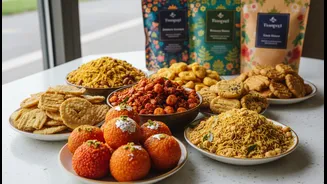
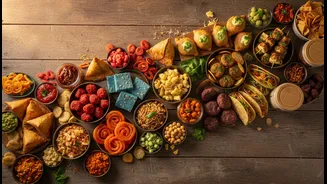
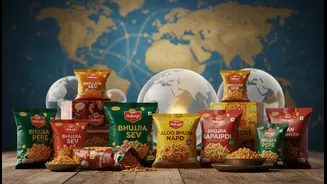
The initial push for Indian snack brands to venture overseas was driven by a powerful force: nostalgia. Millions of Indians living abroad created a ready-made market, craving the authentic tastes of home. Brands like Haldiram's, Bikaji, and MTR Foods
found their first footing in international markets by serving the diaspora in the US, UK, Middle East, and Australia. This loyal customer base acted as a crucial launchpad, serving not just as consumers but as organic brand ambassadors who introduced their local friends and colleagues to the world of Indian snacks. However, the strategy has evolved significantly. The goal is no longer just to satisfy a niche market but to capture the attention of a broader, non-Indian audience.
The Architects of Global Craving
At the forefront of this global push are giants like Haldiram's and Bikaji Foods International. Haldiram's, which began exporting to the US as early as 1993, now has a presence in over 80 countries. The company has invested in international manufacturing facilities, including a plant in the UK, to better serve European markets. Recent investments from global firms like Temasek, Alpha Wave Global, and IHC are set to accelerate this expansion, focusing on markets with a growing demand for Indian cuisine. Similarly, Bikaji has established a strong international footprint, with its products available in over 30 countries and sold in major retail chains like Walmart and Lulu. The company recently announced a significant investment in its US subsidiary to set up a manufacturing plant, signaling a clear intent to deepen its market presence.
More Than a Product: Crafting an Experience
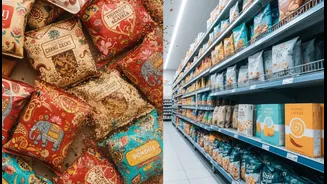
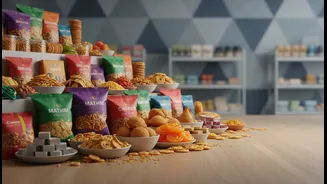
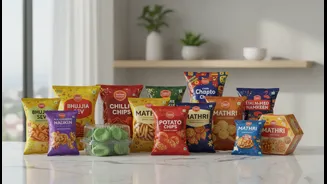
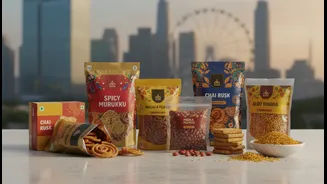
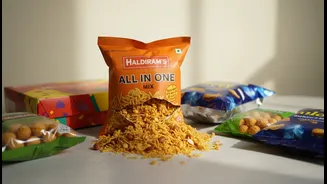
The core of the new strategy lies in selling an experience, not just a packet of namkeen. This involves a multi-pronged approach. Brands are moving from the ethnic food aisle to mainstream grocery shelves, a shift aided by modern, visually appealing packaging that extends shelf life and competes with global snack leaders. It also means creating a cultural connection. This can be seen in efforts to establish 'experience centers' that educate consumers about Indian snacks and culture, hosting cooking workshops, or using social media to share recipes and cultural stories. For these brands, it's about building a community and making their products a part of the global consumer's lifestyle, not just an occasional exotic purchase.
Adapting to the Global Palate
While authenticity remains a key selling point, smart adaptation is crucial for winning over international consumers. This doesn't mean losing the original flavour, but rather understanding local preferences. It might involve adjusting spice levels for certain markets or introducing fusion products that blend Indian tastes with familiar Western formats, like masala-flavoured chips. Some brands are even considering a dual-menu approach in certain markets to cater to both traditionalists and curious new customers. This careful balance of maintaining an authentic identity while being flexible enough to appeal to local tastes is a hallmark of the successful global Indian brand.
The Future is Flavourful
The global snack market is noticing. Between 2019 and 2024, India's snack exports more than doubled, growing from $0.54 billion to $1.2 billion. This isn't just a trend; it represents a structural shift. Indian companies are leveraging their scale, manufacturing prowess, and rich culinary heritage to build global brands. By positioning themselves as purveyors of a rich cultural experience, they are doing more than selling food. They are acting as cultural ambassadors, turning the simple act of snacking into a global gastronomic journey. This strategy of blending authenticity with smart business is not only winning shelf space but also hearts and minds worldwide.