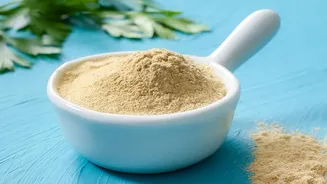









Protein powder is moving beyond the shaker and into our kitchens, showing up in everything from pancakes to pasta sauce. But is it as simple as just scooping it in? To get the benefits without the chalky, rubbery downside, there are a few key things to know.
Why Cook with Protein Powder?
Adding protein powder to meals is an easy way to make food more satisfying and support health goals. Protein is essential for muscle repair and growth, and it helps you feel fuller for longer, which can reduce snacking between meals. For those who find protein shakes repetitive, incorporating powder into everyday foods like oatmeal, baked goods, or even soups is a practical way to boost intake without much extra effort. It turns a simple muffin or pancake from a carb-heavy treat into a more balanced, nourishing food that works harder for your body.
Not All Powders Are Created Equal
The type of protein powder you choose will dramatically affect your recipe's outcome. Whey protein is known for creating a light, airy texture, making it great for cakes and muffins, but it can also be drying if you use too much. Casein protein is thicker and creates a denser, chewier result, which works well for brownies or cookies. Plant-based proteins, made from sources like pea or rice, tend to absorb more liquid and can sometimes have a grittier texture. When using plant-based powders, you may need to add extra liquid to prevent your food from becoming too dense.
Does Heat Destroy The Protein?
A common myth is that cooking with protein powder 'kills' its nutritional value. This is largely untrue. When heated, protein goes through a process called denaturation, where its structure changes—similar to what happens when you cook an egg. While the shape of the protein molecule is altered, the amino acids, which are the building blocks your body uses, remain intact. Your body can still absorb and use the protein effectively, so you aren't losing the muscle-building benefits by baking it into a muffin or stirring it into hot coffee.
The Golden Rule of Baking Substitutions
The biggest mistake in protein baking is swapping flour for protein powder at a one-to-one ratio. This almost always leads to a dry, rubbery, or dense result. A safe rule of thumb is to replace no more than one third of the flour in a recipe with protein powder. For example, if a recipe calls for one cup of flour, use two thirds of a cup of flour and one third of a cup of protein powder. Because protein powder is very absorbent, you will also need to add extra moisture—think a few extra tablespoons of milk, water, yogurt, or even mashed banana—to keep the final product from drying out.
Tips for a Better Taste and Texture
To avoid clumps, especially in liquids, don't just dump the powder into a hot mixture. In soups or sauces, it’s better to make a slurry by mixing the powder with a small amount of cool liquid first, then gradually incorporate it. When adding to hot coffee or oatmeal, stir it in slowly. Overstretching batter can also make baked goods tough, so fold ingredients until they are just combined. If your baked goods are coming out too dry, consider adding sources of fat or moisture like Greek yogurt, applesauce, pumpkin puree, or nut butter to improve the texture.
Things to Watch Out For
While a useful supplement, it's important not to rely on protein powder at the expense of whole foods. Some powders contain artificial sweeteners, gums, and other additives that can affect the flavour and texture of your recipe or cause digestive upset for some individuals. Unflavoured protein powder offers more versatility, allowing you to control the sweetness and flavour profile of your dish yourself. Also, keep in mind that protein‐fortified baked goods tend to cook faster and dry out more easily, so it's wise to reduce the oven temperature slightly and check on them a few minutes earlier than the recipe suggests.